Choosing the Right HVAC System Installation for Your Home
Selecting the right HVAC (Heating, Ventilation, and Air Conditioning) system is one of the most critical decisions a homeowner can make. A well-designed HVAC system not only ensures comfort throughout the year but also significantly impacts energy efficiency, indoor air quality, and long-term operational costs. With advancements in technology and a wide variety of options on the market, choosing the ideal system can feel overwhelming. Understanding your home’s unique requirements, climate conditions, and usage patterns is essential to making an informed decision that balances performance, cost, and reliability. Additionally, the right system can increase property value, reduce maintenance needs, and provide consistent comfort for every member of the household. Homeowners who invest time in evaluating their needs often enjoy decades of trouble-free performance.
Many homeowners make the mistake of focusing solely on upfront costs, overlooking the long-term benefits of energy-efficient systems and professional installation. An improperly sized or installed HVAC system can lead to uneven temperatures, higher utility bills, and frequent breakdowns. Additionally, considering the environmental impact of your choice has become increasingly important, as modern HVAC systems can significantly reduce carbon footprints through energy-efficient design and smart operation. Choosing the right contractor and equipment can prevent future repairs, optimize energy consumption, and enhance indoor air quality, contributing to healthier living conditions. With careful planning and expert guidance, homeowners can achieve a system that is both cost-effective and dependable for years to come.
1. Understanding Your Home’s HVAC Needs
Assessing Home Size and Layout
The size and layout of your home directly influence the type of HVAC system you need. Larger homes or multi-story layouts may require zoned systems to maintain consistent temperatures throughout different areas. Homes with open floor plans might benefit from high-capacity central systems, while smaller or compact homes could operate efficiently with ductless mini-split systems. Calculating the cooling and heating load through a professional load analysis ensures the system is neither underpowered nor overpowered, preventing inefficiency and discomfort.
Climate Considerations
The local climate plays a vital role in system selection. Homes in regions with extreme temperatures require HVAC units with higher efficiency ratings to handle consistent heating or cooling demands. Heat pumps, for instance, are ideal for moderate climates, offering both heating and cooling with minimal energy consumption. Conversely, gas furnaces paired with air conditioners may be more suitable in areas with prolonged winters or hot summers. Understanding seasonal patterns and weather extremes ensures your system performs optimally year-round.
Indoor Air Quality Requirements
HVAC systems also impact indoor air quality. Homes with allergy sufferers or respiratory concerns may require units with advanced filtration systems, humidifiers, or UV sterilization components. Incorporating proper ventilation and air exchange mechanisms reduces dust, allergens, and moisture buildup, creating a healthier living environment. This consideration is especially critical in newer homes with tight insulation, where air circulation can be limited.
2. Types of HVAC Systems
Central Air Systems
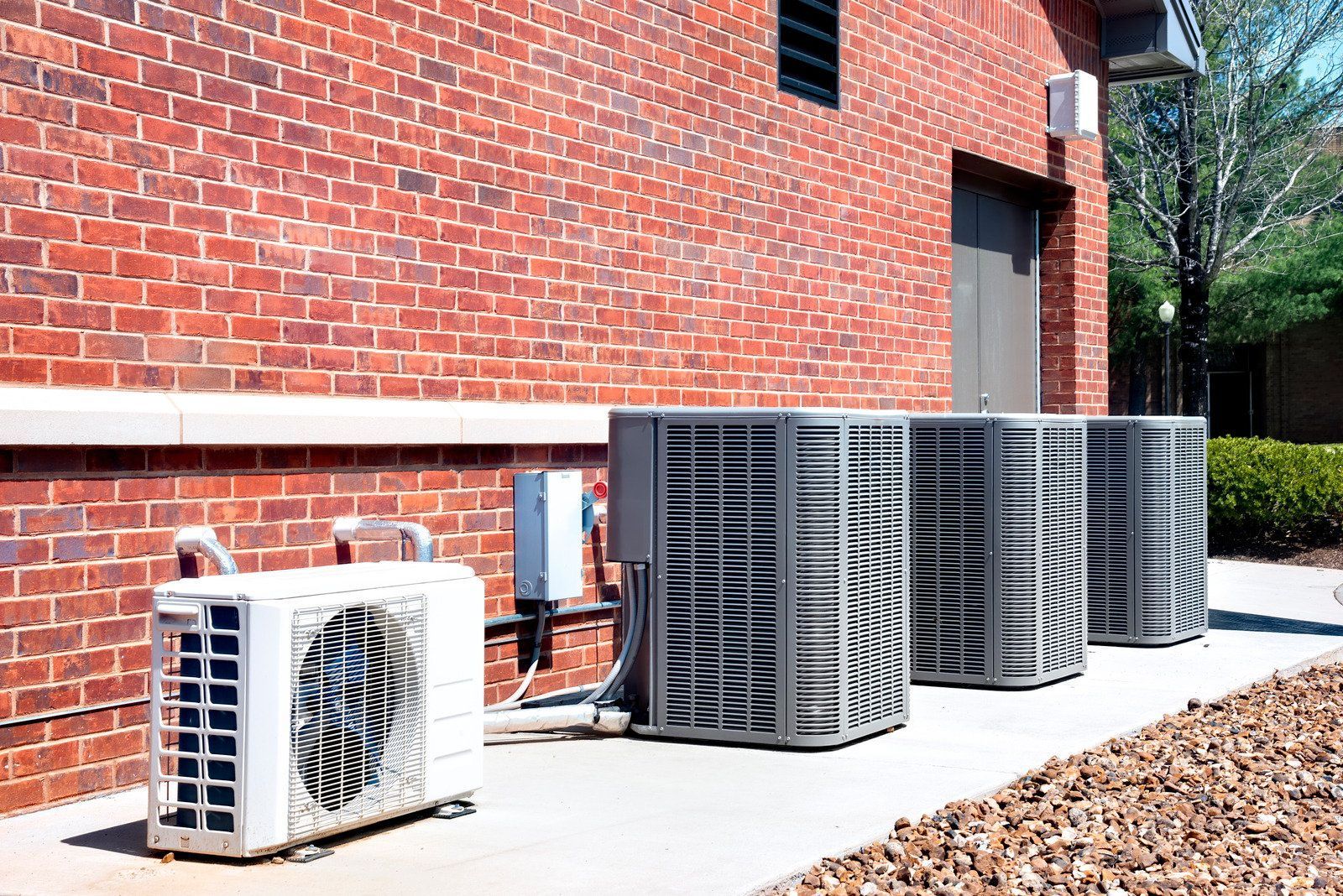
Central air systems are among the most common choices for residential homes. They utilize a network of ducts to distribute conditioned air uniformly. Benefits include consistent temperature control, compatibility with high-efficiency filters, and suitability for large homes. Challenges include higher installation costs and the need for duct maintenance to ensure efficiency. Central air systems often pair with a furnace or heat pump, providing year-round comfort.
Ductless Mini-Split Systems
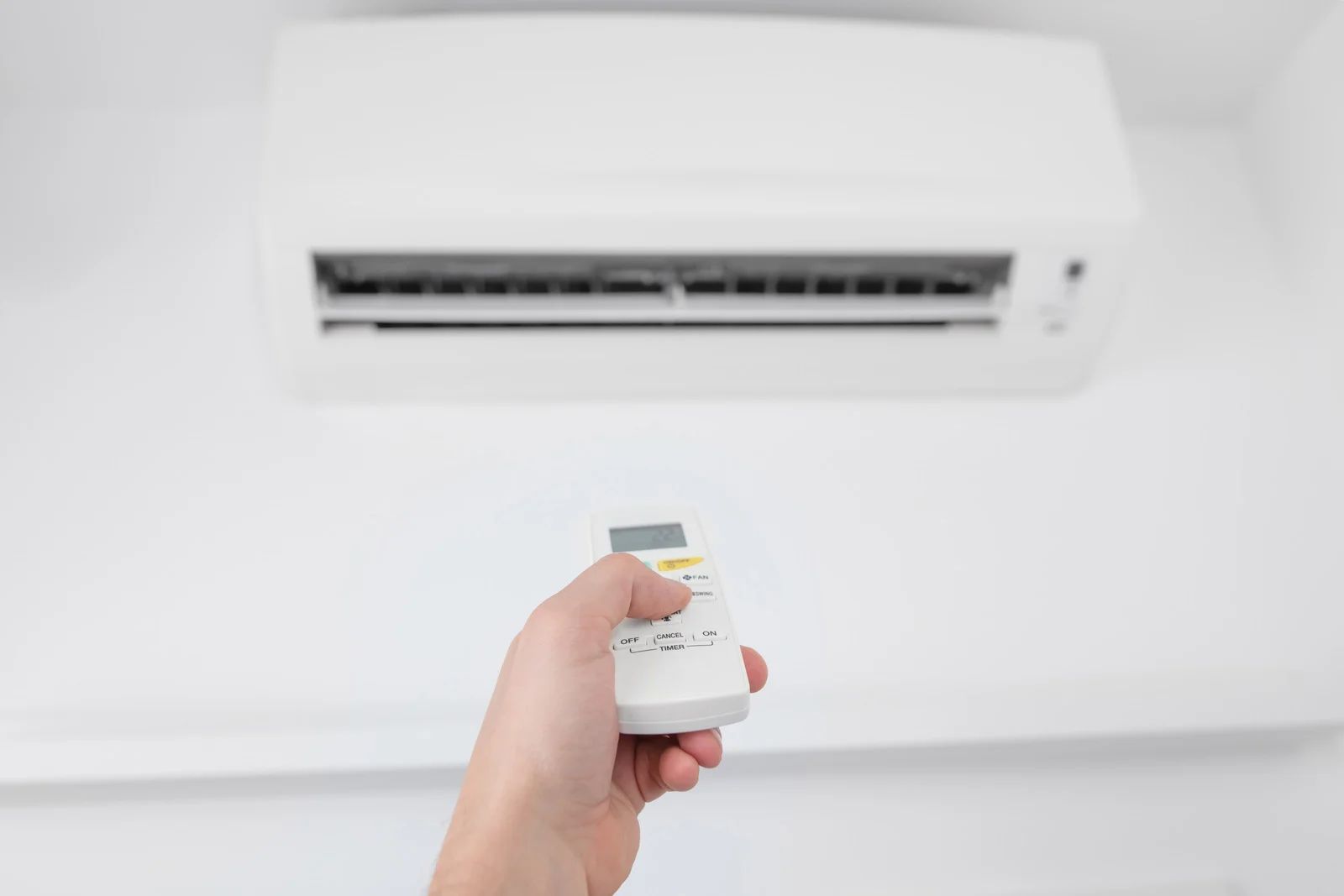
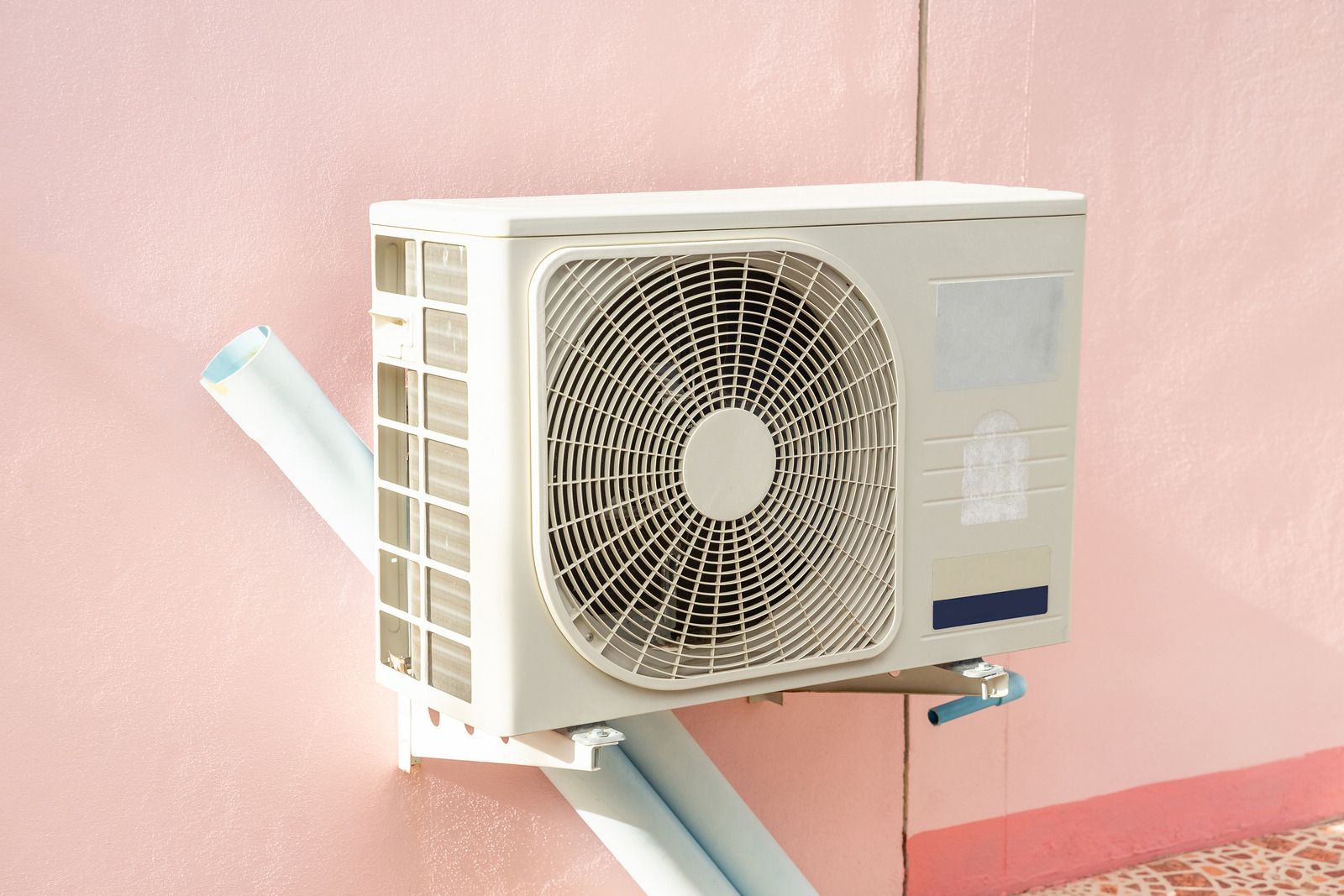
Ductless mini-splits are ideal for homes without existing ductwork or for individual room temperature control. These systems consist of an outdoor compressor unit connected to one or more indoor air handlers. Advantages include energy efficiency, flexible zoning, and quieter operation. However, installation costs per unit can be higher, and aesthetic considerations may arise due to wall-mounted indoor units. Mini-splits work best in retrofit projects or smaller homes seeking precise temperature control.
Heat Pumps
Heat pumps are versatile systems that provide both heating and cooling by transferring heat rather than generating it through combustion. Air-source heat pumps are common in moderate climates, while ground-source (geothermal) systems offer unmatched efficiency and long-term savings. Heat pumps reduce energy consumption, lower utility bills, and contribute to eco-friendly living. Limitations include higher upfront costs and decreased efficiency in extremely cold climates without supplemental heating.
Hybrid Systems
Hybrid systems combine a heat pump with a traditional furnace, automatically switching between electricity and gas depending on outdoor temperatures and efficiency. These systems offer flexibility, cost savings, and optimal comfort throughout seasonal extremes. Hybrid systems are particularly beneficial in regions with wide temperature variations, providing the advantages of both energy efficiency and reliable heating performance.
3. Energy Efficiency and Long-Term Savings
Understanding SEER, EER, and AFUE Ratings
Energy efficiency is a crucial factor in HVAC selection. SEER (Seasonal Energy Efficiency Ratio) measures cooling efficiency, while EER (Energy Efficiency Ratio) provides a more specific measure under consistent operating conditions. AFUE (Annual Fuel Utilization Efficiency) measures furnace efficiency. Higher ratings indicate lower energy consumption and long-term savings. Homes with high-efficiency systems benefit from reduced utility bills and improved environmental sustainability.
Real-World Cost Analysis
While high-efficiency systems often have higher upfront costs, they deliver substantial savings over time. For example, upgrading from a 10 SEER to a 16 SEER air conditioner can reduce cooling costs by up to 30%. Similarly, switching from a standard furnace to a high-efficiency model can significantly cut heating expenses during winter months. Homeowners should weigh initial investment against projected utility savings and potential tax incentives or rebates for energy-efficient systems.
Smart HVAC Technology
Modern HVAC systems often integrate with smart thermostats and automation technology. Smart systems adjust temperature settings based on occupancy, time of day, and weather forecasts, further enhancing efficiency and comfort. Real-time monitoring allows homeowners to detect performance issues early, preventing costly repairs and extending system lifespan. These technologies also contribute to environmental sustainability by reducing unnecessary energy consumption.
4. Professional Installation Considerations
Importance of Proper Sizing
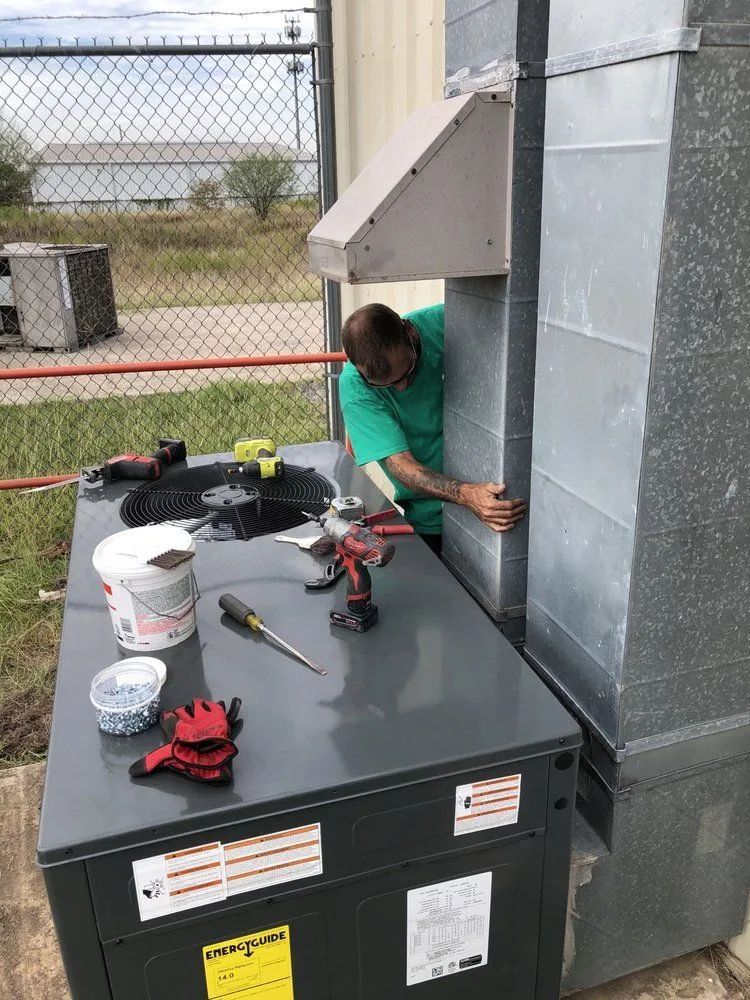
Professional installation ensures accurate sizing and optimal placement of HVAC components. An oversized system may cycle frequently, causing wear and higher energy costs, while an undersized system struggles to maintain desired temperatures. Certified HVAC technicians use load calculations, building plans, and airflow analysis to determine the right system capacity.
Ductwork and Ventilation
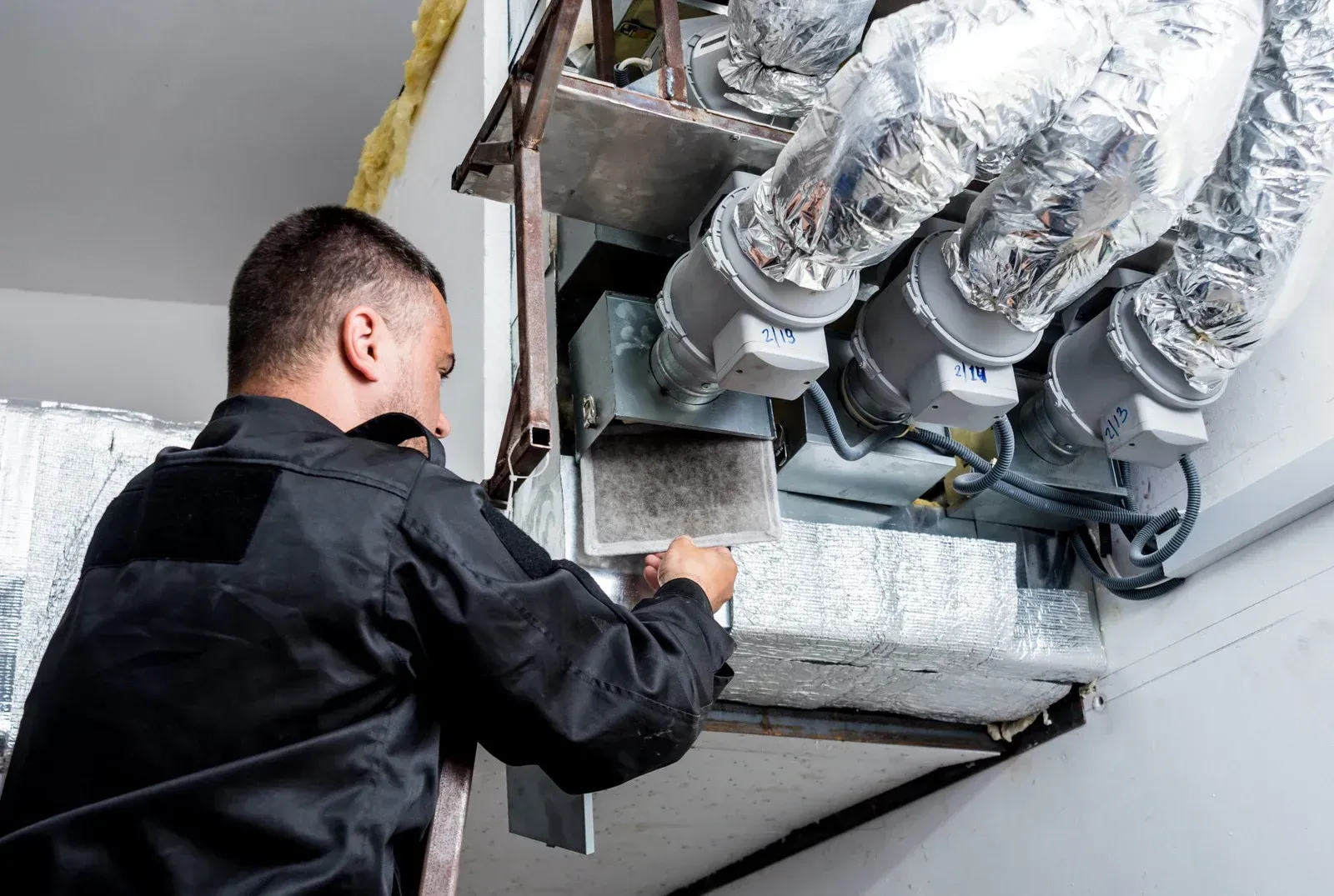
For ducted systems, proper design and sealing of ductwork are essential. Leaks or poorly designed duct layouts reduce system efficiency, increase energy consumption, and create uneven cooling or heating. Ventilation strategies, including return air placement and supply register configuration, directly affect airflow and indoor comfort.
Installation Best Practices
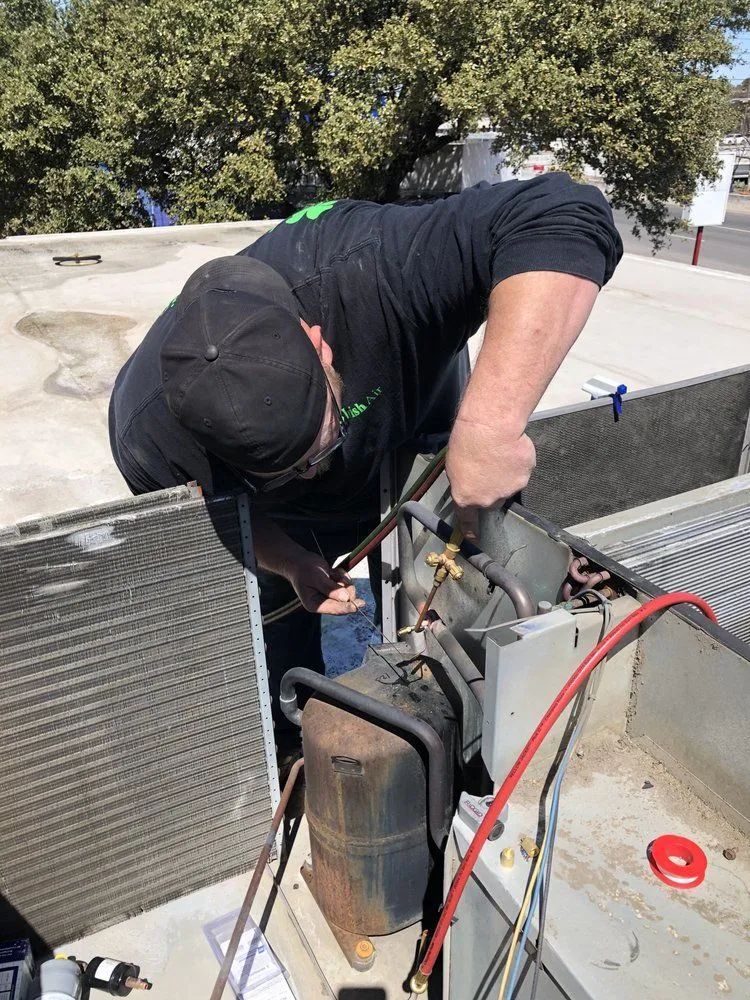
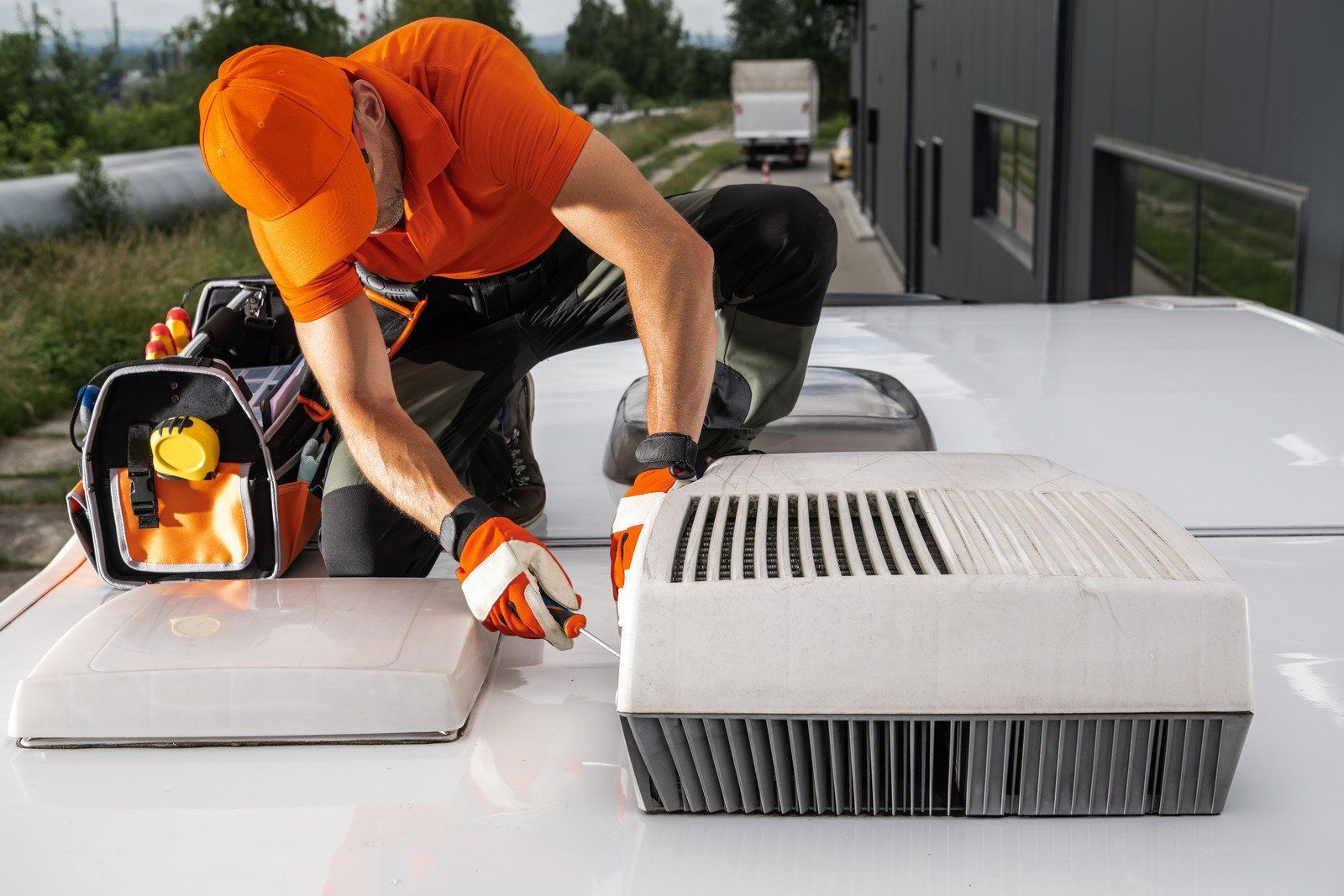
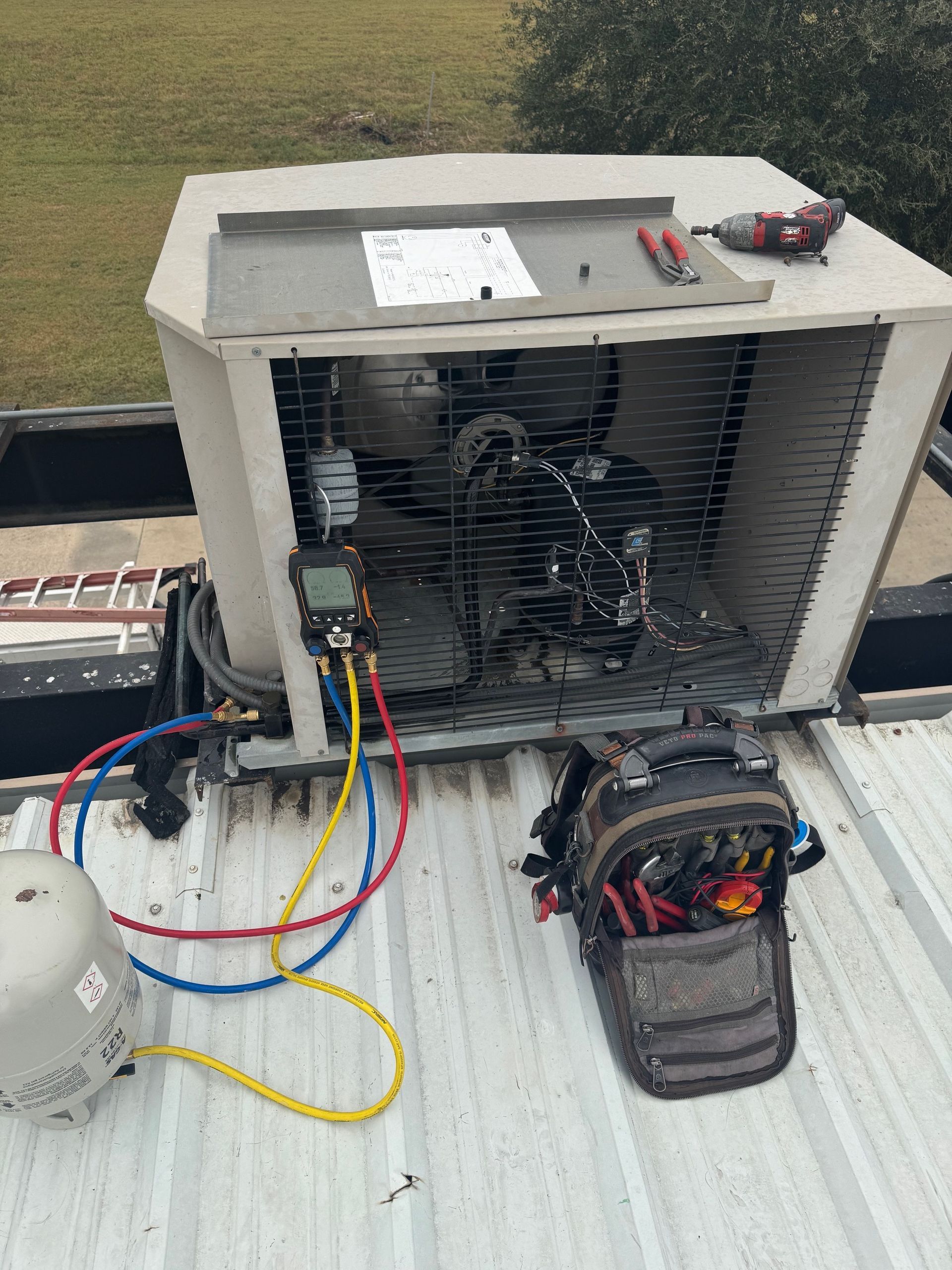
Expert installers follow manufacturer guidelines, local building codes, and safety regulations. Proper installation includes refrigerant charging, electrical connections, thermostat calibration, and safety testing. Skipping or improperly executing any step can result in system inefficiency, shortened lifespan, and potential hazards. Homeowners should verify contractor credentials, references, and warranty coverage before proceeding.
5. Maintenance and Longevity
Routine Maintenance Essentials
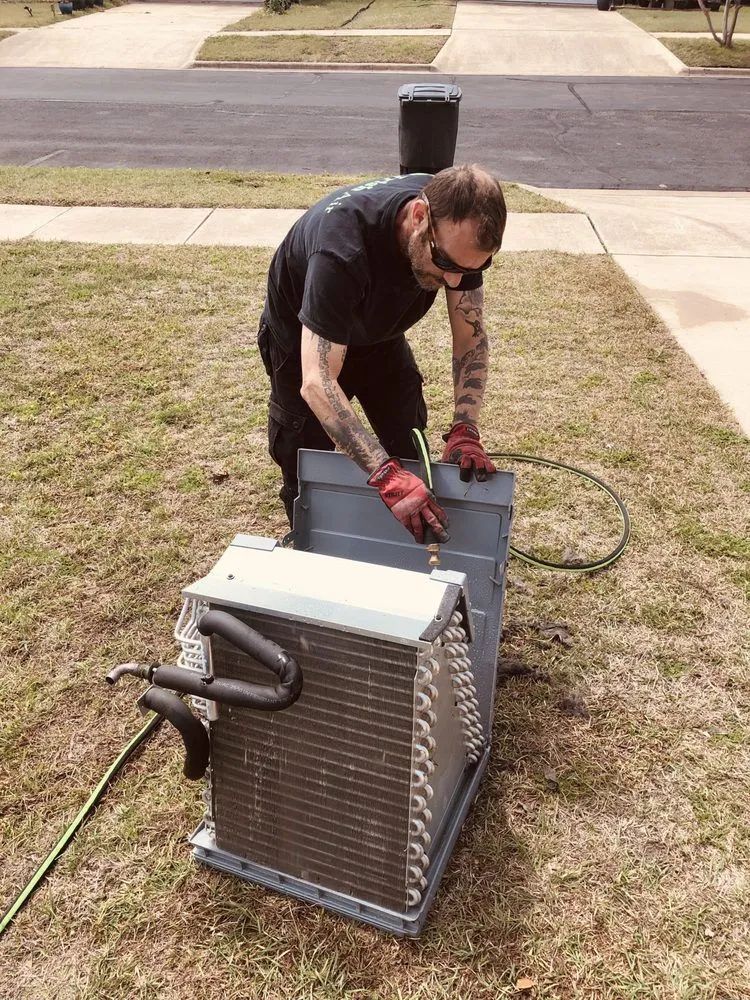
Regular maintenance extends the life of an HVAC system and maintains peak efficiency. Recommended tasks include changing air filters, inspecting and cleaning coils, checking refrigerant levels, lubricating moving parts, and calibrating thermostats. Seasonal inspections prevent unexpected breakdowns and improve indoor air quality.
Recognizing Warning Signs
Early detection of system issues prevents costly repairs. Common warning signs include unusual noises, uneven temperatures, increased utility bills, and frequent cycling. Addressing problems promptly ensures uninterrupted comfort and avoids emergency replacements.
Planning for System Replacement
Even well-maintained systems have a finite lifespan. Standard air conditioners and heat pumps typically last 10–15 years, while furnaces may operate for 15–20 years. Homeowners should plan for eventual replacement, considering energy-efficient upgrades and potential technological advancements that offer long-term benefits.
6. Making the Final Decision
Comparing Quotes and Contractors
Obtaining multiple quotes from licensed HVAC contractors allows homeowners to compare system options, installation practices, warranties, and costs. Transparent communication and detailed estimates reduce surprises during installation. Contractor reputation, experience, and customer reviews provide insights into quality and reliability.
Balancing Cost, Efficiency, and Comfort
The ideal HVAC system balances upfront investment, operational efficiency, and comfort needs. Homeowners should prioritize long-term savings, energy efficiency, and features that enhance indoor air quality over purely initial cost considerations.
Incorporating Future-Proof Solutions
Investing in future-ready systems, such as those compatible with solar power, smart home integration, or eco-friendly refrigerants, ensures long-term value. These solutions reduce environmental impact, enhance energy efficiency, and prepare the home for evolving technological standards.
Experienced Professionals Delivering Reliable Heating And Cooling
Choosing the right HVAC system installation is a critical investment in comfort, efficiency, and long-term home value. From understanding your home’s unique heating and cooling needs to evaluating system types, energy efficiency, professional installation, and maintenance, each decision plays a pivotal role in achieving optimal performance. By carefully considering factors such as home size, climate, indoor air quality, and future-proofing options, homeowners can make informed decisions that deliver reliable, cost-effective, and sustainable solutions for years to come.
For homeowners in Temple, Texas, Irish Air
is a trusted partner in HVAC system installation. With 13
years of experience serving local communities, Irish Air
combines technical expertise with personalized service to ensure every installation meets the highest standards. From selecting energy-efficient systems to providing precise professional installation and ongoing maintenance guidance, Irish Air
is committed to delivering comfort, efficiency, and peace of mind. Homeowners can rely on our team for honest recommendations, reliable workmanship, and long-term support, making us the go-to authority for HVAC solutions in the Temple area.