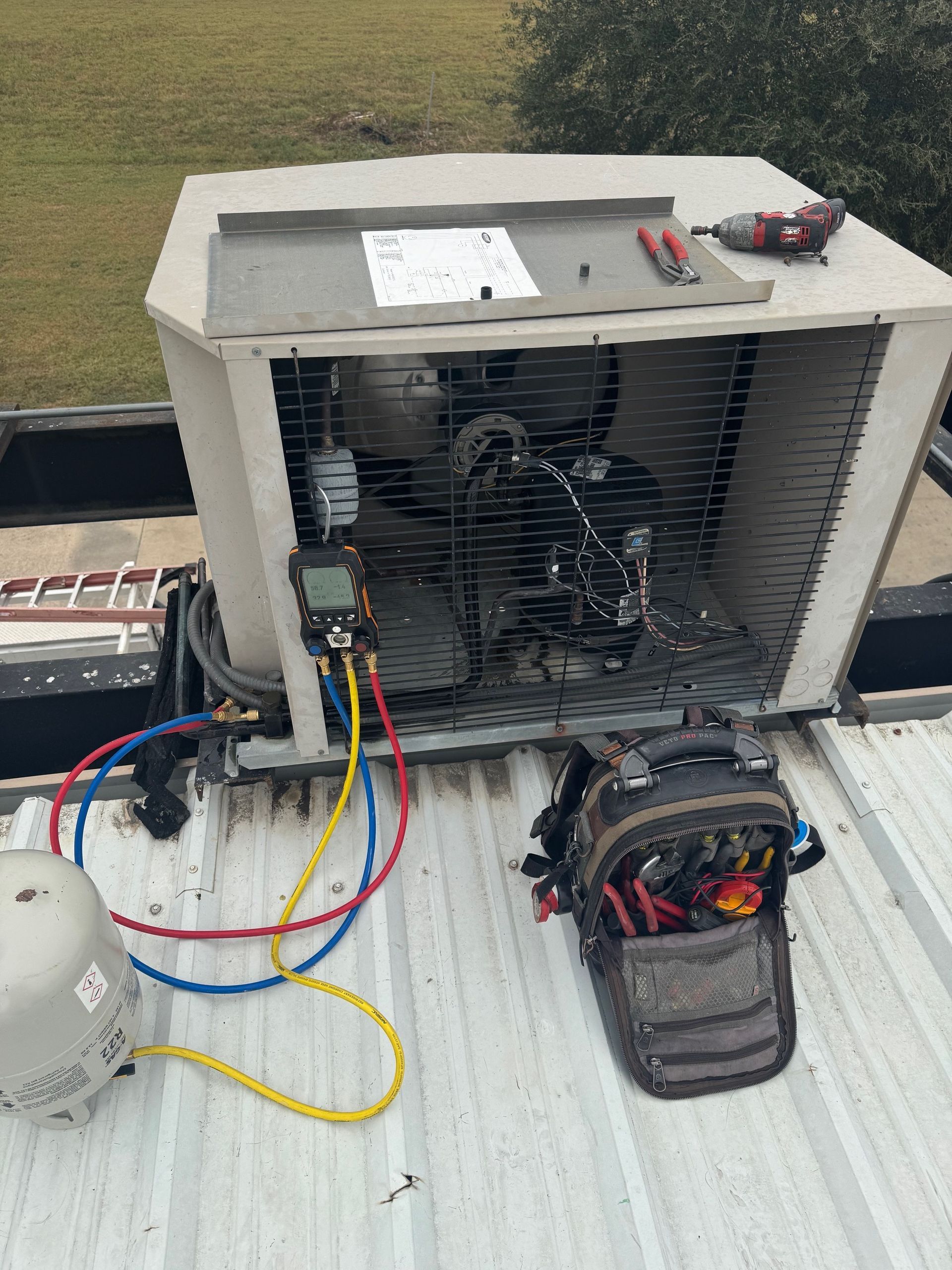
How Modern HVAC Installations Improve Comfort and Efficiency
Maintaining a comfortable indoor environment is a critical aspect of modern living, whether in residential, commercial, or industrial settings. Heating, ventilation, and air conditioning (HVAC) systems play a central role in achieving this comfort, regulating temperature, controlling humidity, and ensuring proper air quality. Over the past decade, HVAC technology has advanced significantly, moving beyond basic heating and cooling to incorporate energy-efficient designs, smart controls, and innovative components that deliver superior performance. For homeowners and businesses alike, understanding the benefits of modern HVAC installations is essential to making informed decisions that impact both comfort and long-term operational costs.
These advancements in
HVAC systems are not solely about convenience; they address critical environmental and economic considerations. Efficient systems reduce energy consumption, lower utility bills, and minimize carbon footprints, aligning with growing sustainability goals. Additionally, modern installations are designed to offer more consistent airflow, enhanced filtration, and precise temperature control, creating healthier and more comfortable living and working spaces. As energy costs rise and the demand for reliable, efficient HVAC solutions grows, the adoption of modern installations becomes not just a luxury but a practical necessity for those seeking comfort, efficiency, and long-term value.
The Evolution of HVAC Technology
Historical Perspective
Traditional HVAC systems were primarily focused on basic temperature control, often using outdated mechanical components that consumed excessive energy and required frequent maintenance. Early air conditioners and furnaces provided limited customization and struggled to maintain uniform temperatures throughout a space. These limitations often resulted in hot or cold spots, inconsistent humidity levels, and higher energy bills due to inefficient operation.
Modern Advancements
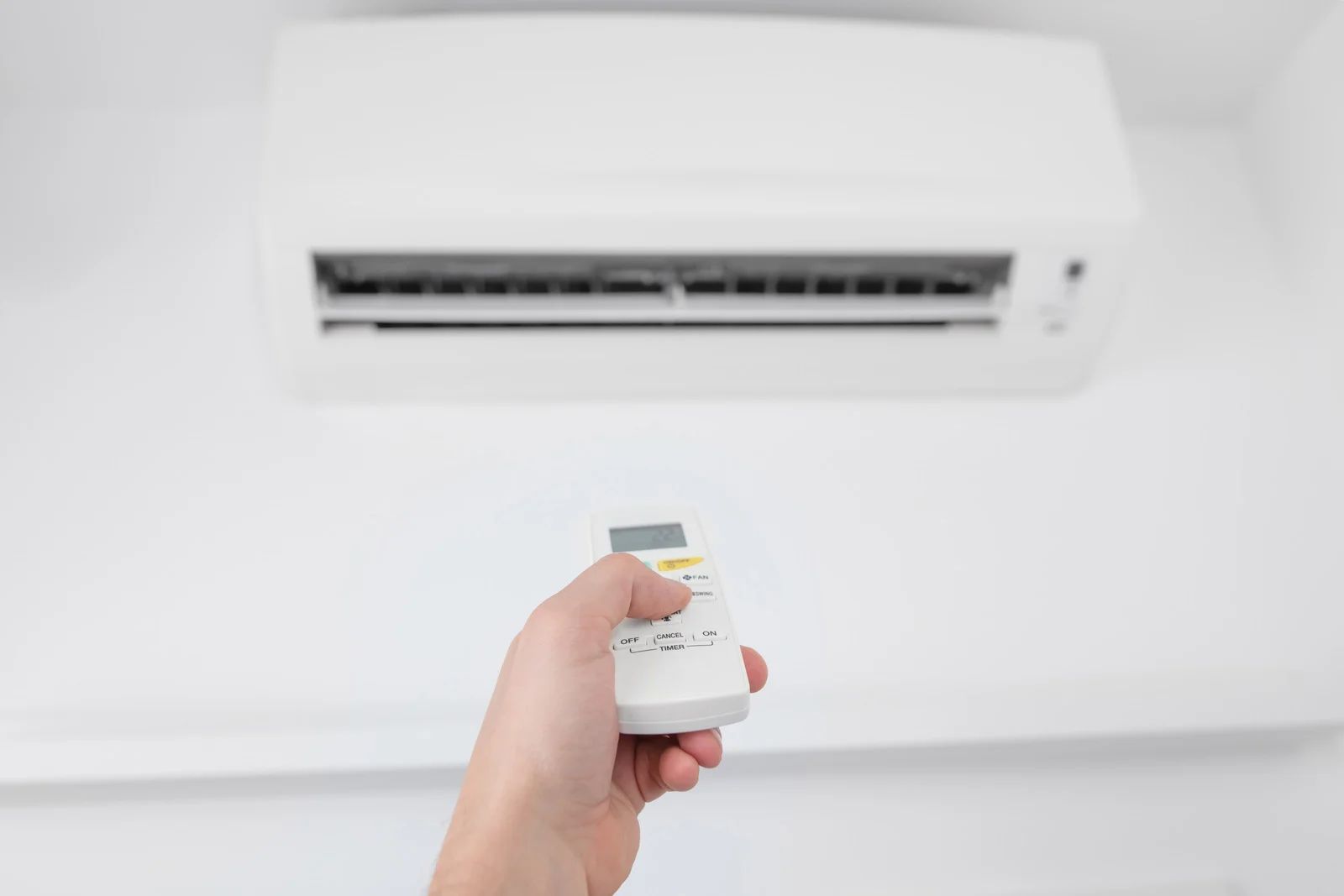
Today’s HVAC systems incorporate advanced technology that transforms the user experience. Variable-speed compressors, smart thermostats, and zoned heating and cooling allow homeowners and businesses to fine-tune their environments. Modern systems adapt to real-time conditions, adjusting airflow, temperature, and humidity automatically. For example, variable refrigerant flow (VRF) systems can deliver precise heating and cooling to multiple zones independently, enhancing comfort without wasting energy. By moving away from one-size-fits-all designs, modern HVAC solutions offer greater control, reduced energy consumption, and improved system longevity.
Real-World Example
Consider a multi-story office building: older HVAC systems might struggle to maintain even temperatures, leading to complaints from employees and increased utility costs. A modern installation with zoned controls ensures that each floor maintains a comfortable climate while optimizing energy use, demonstrating both operational efficiency and improved occupant satisfaction.
Enhancing Energy Efficiency
Energy-Efficient Components
Modern HVAC systems are designed with energy efficiency at their core. High-efficiency furnaces, air conditioners, and heat pumps meet or exceed standards set by the U.S. Department of Energy. Key components, such as variable-speed motors and advanced heat exchangers, reduce energy consumption while maintaining consistent performance. These systems can deliver the same or better comfort levels as older models but with significantly lower operational costs.
Smart Thermostats and Automation
Smart thermostats have revolutionized energy management. These devices learn user preferences, track occupancy patterns, and adjust temperature settings automatically. Integration with mobile applications allows users to monitor and control their HVAC systems remotely, further optimizing energy use. For instance, a homeowner can reduce heating or cooling when the house is unoccupied and restore comfort just before returning, minimizing wasted energy.
Benefits of Energy Efficiency
Reducing energy consumption has both financial and environmental benefits. Lower utility bills provide immediate savings, while energy-efficient systems contribute to reduced greenhouse gas emissions. Businesses also benefit from enhanced sustainability credentials, which can improve public perception and meet regulatory requirements. Over the lifespan of a modern HVAC system, energy-efficient installations can save thousands of dollars while delivering reliable, high-quality performance.
Improving Indoor Air Quality
Advanced Filtration Systems
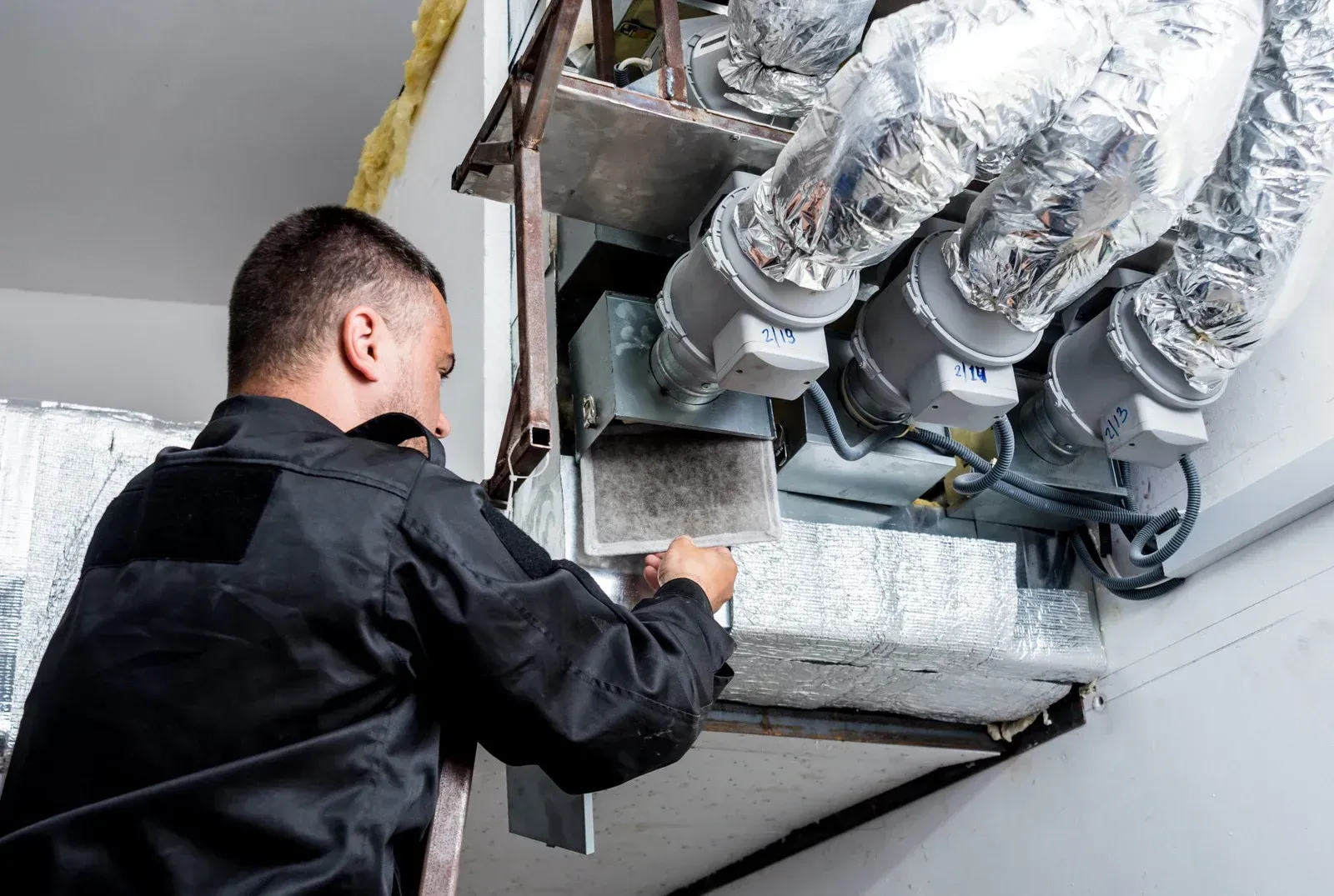
Modern HVAC systems prioritize indoor air quality (IAQ), which is critical for health and well-being. High-efficiency particulate air (HEPA) filters, electrostatic filters, and activated carbon filtration systems remove dust, allergens, bacteria, and odors more effectively than older systems. This improvement significantly reduces respiratory irritants and promotes a healthier indoor environment for occupants.
Humidity Control
Excess humidity can lead to mold growth, structural damage, and discomfort. Modern HVAC systems include integrated humidifiers and dehumidifiers to maintain optimal humidity levels. Precise humidity control not only improves comfort but also extends the life of furnishings, electronics, and building materials by preventing moisture-related damage.
Ventilation and Fresh Air Integration
Proper ventilation ensures a consistent supply of fresh air, reducing the concentration of indoor pollutants. Energy recovery ventilators (ERVs) and heat recovery ventilators (HRVs) are increasingly common in modern installations, allowing fresh air intake without compromising energy efficiency. By maintaining a balance between fresh air and conditioned air, these systems support occupant health and comfort while minimizing energy waste.
Example Scenario
In residential settings, a family with allergies or asthma may experience significantly improved air quality and fewer symptoms after upgrading to a modern HVAC system. Businesses, such as schools or healthcare facilities, similarly benefit from enhanced IAQ, contributing to healthier, more productive environments.
Comfort and Climate Control
Zoned Heating and Cooling
One of the most notable improvements in modern HVAC systems is the ability to create multiple climate zones within a building. Each zone can be controlled independently, ensuring personalized comfort for different rooms or areas. For example, bedrooms can remain cooler at night, while living areas maintain a warmer temperature, improving overall energy efficiency without compromising comfort.
Variable-Speed Technology
Variable-speed compressors and fans allow modern HVAC systems to operate at different capacities based on demand. Unlike single-speed systems that cycle on and off, variable-speed systems maintain a consistent temperature and airflow, reducing energy waste and preventing temperature swings. This technology enhances both comfort and efficiency, particularly in spaces with fluctuating occupancy or heat loads.
Noise Reduction
Modern systems are engineered for quieter operation. Advanced compressors, insulated ducts, and sound-dampening technologies minimize operational noise, contributing to a more comfortable and peaceful indoor environment. This aspect is particularly important in residential neighborhoods and office spaces where noise can impact quality of life and productivity.
Real-World Benefit
In a luxury home or high-end office, variable-speed, zoned HVAC systems ensure that every occupant enjoys personalized comfort without creating excessive energy costs. The combination of precise temperature control and quiet operation elevates the overall user experience and demonstrates the value of modern HVAC technology.
Maintenance, Reliability, and Longevity
Predictive Maintenance
Modern HVAC systems often integrate sensors and diagnostic tools that monitor performance continuously. Predictive maintenance alerts homeowners and facility managers to potential issues before they become major problems. This proactive approach reduces downtime, prevents costly repairs, and extends the lifespan of the system.
Simplified Maintenance
Advanced HVAC designs incorporate easy-to-access components and modular parts, simplifying routine maintenance tasks. Features such as washable filters, service alerts, and user-friendly control panels reduce the likelihood of neglect and improve system reliability.
Resilient Systems
Modern installations are engineered to withstand varying environmental conditions, including extreme temperatures and humidity. High-quality components, corrosion-resistant materials, and advanced refrigerants contribute to long-term reliability and consistent performance, even in demanding climates.
Case Example
Commercial buildings with predictive maintenance-enabled HVAC systems often experience fewer emergency service calls and more consistent comfort. For residential users, this translates into peace of mind knowing their system will operate efficiently and reliably for years, reducing unexpected repair costs.
Environmental Impact and Sustainability
Eco-Friendly Refrigerants
Older HVAC systems commonly used refrigerants that contributed to ozone depletion and global warming. Modern systems employ eco-friendly refrigerants, such as R-410A and R-32, which have lower global warming potential and meet regulatory standards for environmental protection.
Energy Star Certification
Many new HVAC units are Energy Star certified, ensuring they meet strict efficiency and environmental criteria. These systems reduce energy consumption and carbon emissions while delivering the same or improved comfort levels, aligning with corporate sustainability initiatives and personal environmental goals.
Contribution to Green Building Standards
Modern HVAC installations are essential for achieving green building certifications such as LEED or WELL. These standards emphasize energy efficiency, indoor air quality, and sustainable operation. Upgrading to a modern HVAC system can enhance property value, appeal to environmentally conscious buyers or tenants, and support broader sustainability objectives.
Example Scenario
A commercial office adopting modern HVAC technology can reduce its energy footprint significantly, improving environmental responsibility and operational savings simultaneously. Residential homeowners investing in energy-efficient systems also contribute to environmental sustainability while enjoying long-term financial benefits.
Dependable HVAC Solutions Designed For Modern Homes
For residents and businesses in Temple, Texas, Irish Air
offers trusted expertise in modern
HVAC installations. With several years of experience, the company specializes in providing energy-efficient, reliable, and high-performance heating and cooling solutions tailored to each client’s needs. Irish Air
combines industry knowledge, state-of-the-art technology, and a commitment to customer satisfaction to ensure that every installation maximizes comfort, efficiency, and long-term value. Their team of licensed and skilled professionals works closely with clients to assess specific requirements, recommend the most effective systems, and execute installations with precision and care. Beyond installations, Irish Air
provides comprehensive maintenance services that extend system longevity, reduce energy costs, and prevent unexpected breakdowns. By focusing on quality, reliability, and personalized service, Irish Air
has earned a reputation as a trusted authority in HVAC solutions in Temple and the surrounding areas. Whether upgrading an outdated system or designing a new installation, homeowners and businesses can rely on Irish Air
to deliver exceptional comfort and efficiency for years to come.