AC Can't Keep Up When It Hits 100 Degrees? Why and What to Check
Quick Answer: When the outdoor temperature climbs past 100 degrees and your AC can't keep up, it is often doing more than you think. Most central systems are built to hold the indoor air roughly 20 degrees below whatever it is outside, so on a 102-degree afternoon a house that settles at 78 to 82 is performing normally. Real trouble shows up when the gap keeps widening, the system never cycles off, or rooms drift hotter day after day. Start with the easy checks (a clean filter, open vents, a clear outdoor unit) before assuming the equipment has failed.
It is the third straight afternoon over 100, the thermostat says 78 but the house feels like 84, and the air conditioner has not shut off since lunch. You walk past a vent, feel air that is cool but not cold, and start to wonder whether the system is dying or just losing a fight it was never going to win. That uneasy feeling is one of the most common reasons homeowners across Central Texas pick up the phone in July and August.
Here is the thing worth understanding before you panic: an AC struggling on the hottest day of the year is not automatically a broken AC. Some of what you are feeling is physics, and some of it is a fixable problem hiding behind the heat. The trick is knowing which is which. Below is what an experienced technician actually looks at, in the order that makes sense, so you can tell a normal hot-day limp from a system that genuinely needs help.
What Your AC Is Actually Fighting at 100 Degrees
Start with the rule that explains most of these calls. A typical central air conditioner is engineered to pull the indoor temperature down to roughly 20 degrees below the outdoor air, and no further. That is not a defect. It is the practical limit of how much heat the equipment can move on a given day.
Do the math on a brutal afternoon and it reframes everything. When it is 102 outside, a system holding that 20-degree spread lands you around 82 indoors. Set the thermostat to 72 on that same day and the unit will simply run and run and run, chasing a number it cannot reach, because the heat pouring into the house is arriving faster than the AC can remove it. The equipment is not failing. It has hit a ceiling.
The runtime reality
During a triple-digit stretch, a healthy system running almost continuously through the hottest part of the afternoon is normal, not alarming. Long runtime is how it keeps pace. What should concern you is a system that runs nonstop and still keeps losing ground hour after hour, or one that used to hold 74 easily and now cannot get below 80 on a day it handled fine last summer. A change in behavior is the real signal, not the runtime itself.
Where the extra heat comes from
Central Texas homes take a beating from more than air temperature. West- and south-facing windows dump radiant heat in all afternoon, attics can climb well past 130 degrees and bake the ductwork and ceilings below, and every load of laundry or hot meal adds to what the AC has to overcome. The system is not just cooling the air; it is fighting the sun, the attic, and the house all at once.
The Simple Checks to Rule Out First
Before anyone assumes the compressor is done, an experienced tech quietly rules out the cheap stuff, because the cheap stuff causes a shocking number of "my AC can't keep up" complaints.
The air filter
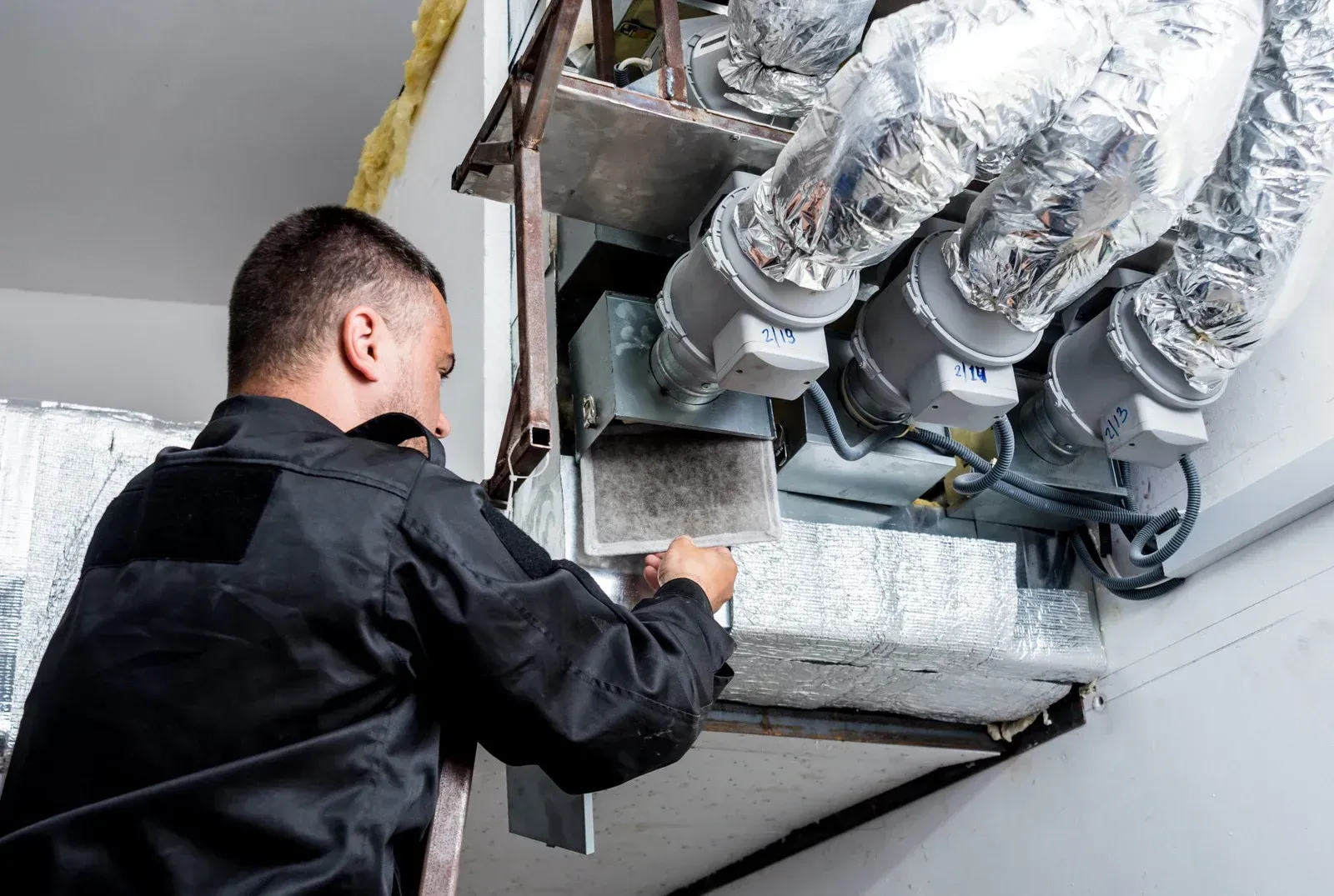
A clogged filter is the most common reason a healthy system suddenly acts weak. Dust chokes airflow, the blower strains, and cooling drops. Pull yours out and hold it to the light, and if you cannot see through it, replace it.
The vents and returns
Walk the house. Closed supply vents, a rug flopped over a floor register, or a couch shoved against a return all starve the system of airflow. Return grilles especially need to breathe, so open everything and clear away the obstructions now.
The thermostat
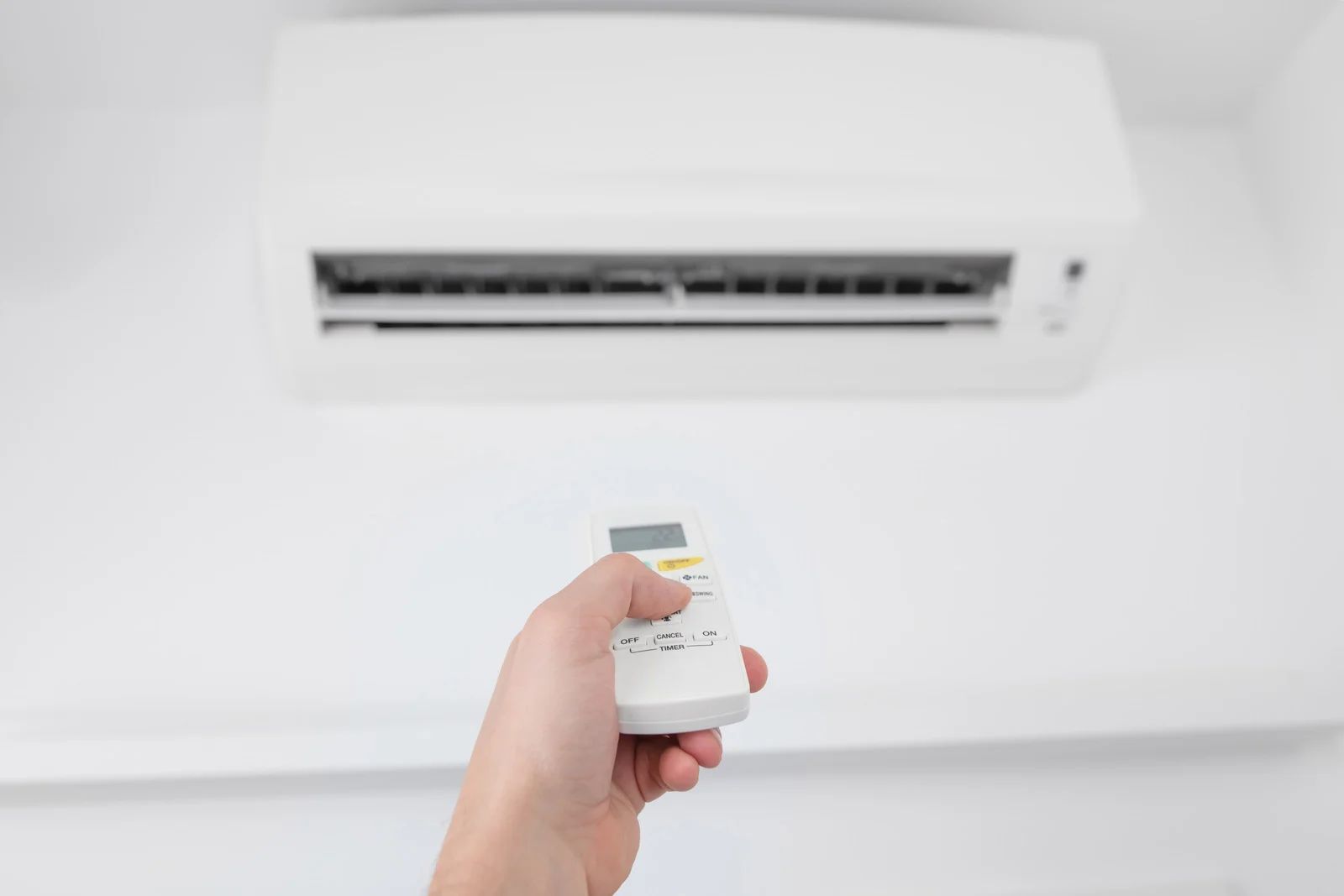
Confirm it is set to cool and the fan is on auto, not on. Weak thermostat batteries can make a system behave erratically. Resist cranking the setting to 68, because the house will not cool any faster, and the unit never rests.
TIP: On a scorching afternoon, help the equipment instead of fighting it. Close blinds and curtains on the sunny side of the house, run ceiling fans counterclockwise so the breeze pushes down on you, and hold off on the oven and dryer until after dark. None of that replaces a working AC, but on a 100-plus day it can be the few degrees that make the house livable while the system catches up overnight.
The Outdoor Unit Is Where Summer Does Its Damage
If the indoor basics check out and the house still will not cool, the outdoor condenser is the next stop, and in this part of Texas it is often the culprit.
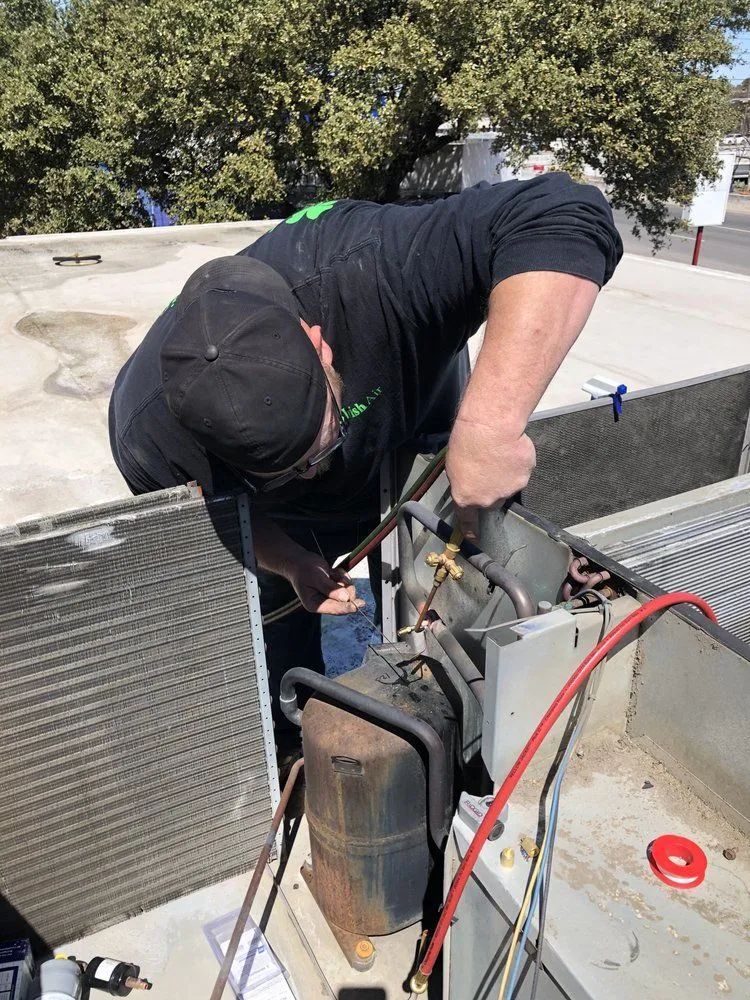
A dirty or blocked condenser coil
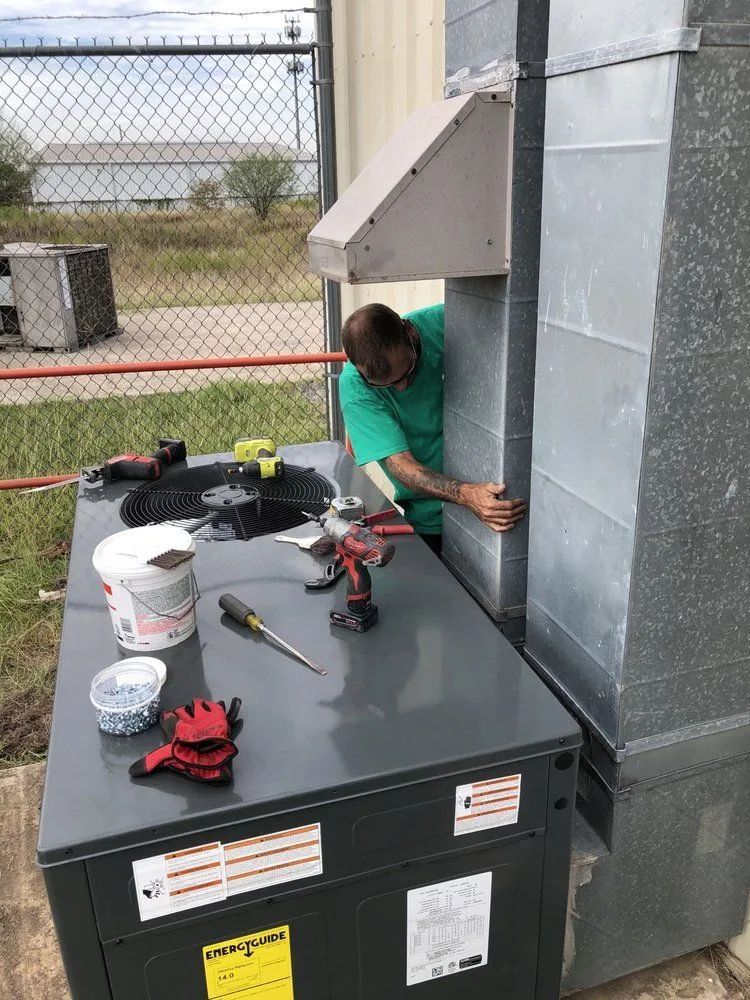
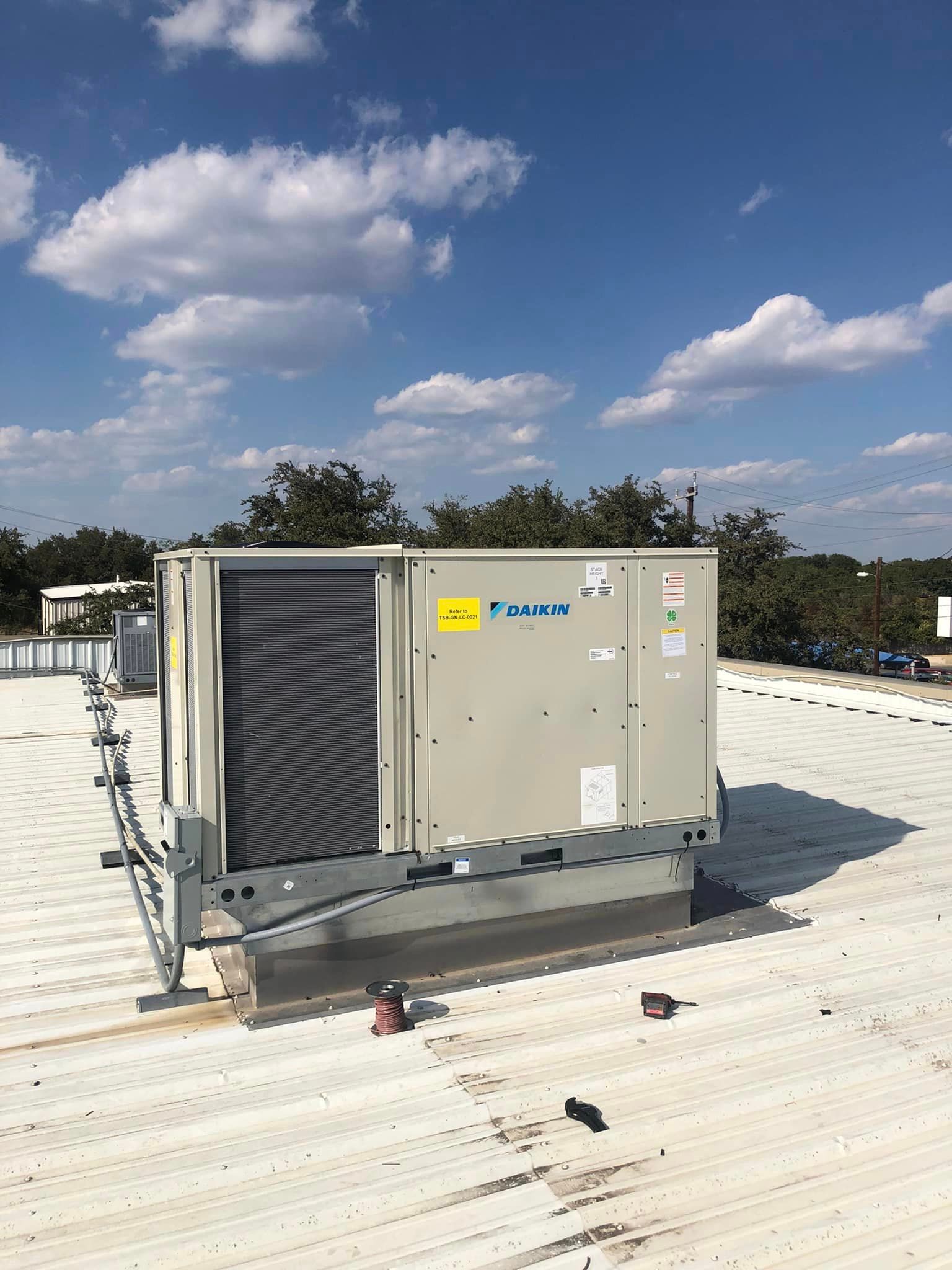
The outdoor unit's job is to dump the heat pulled from your house into the outside air. When the fins pack with dust, grass, and cottonwood fluff, it cannot shed heat and cooling falls off.
Not enough breathing room
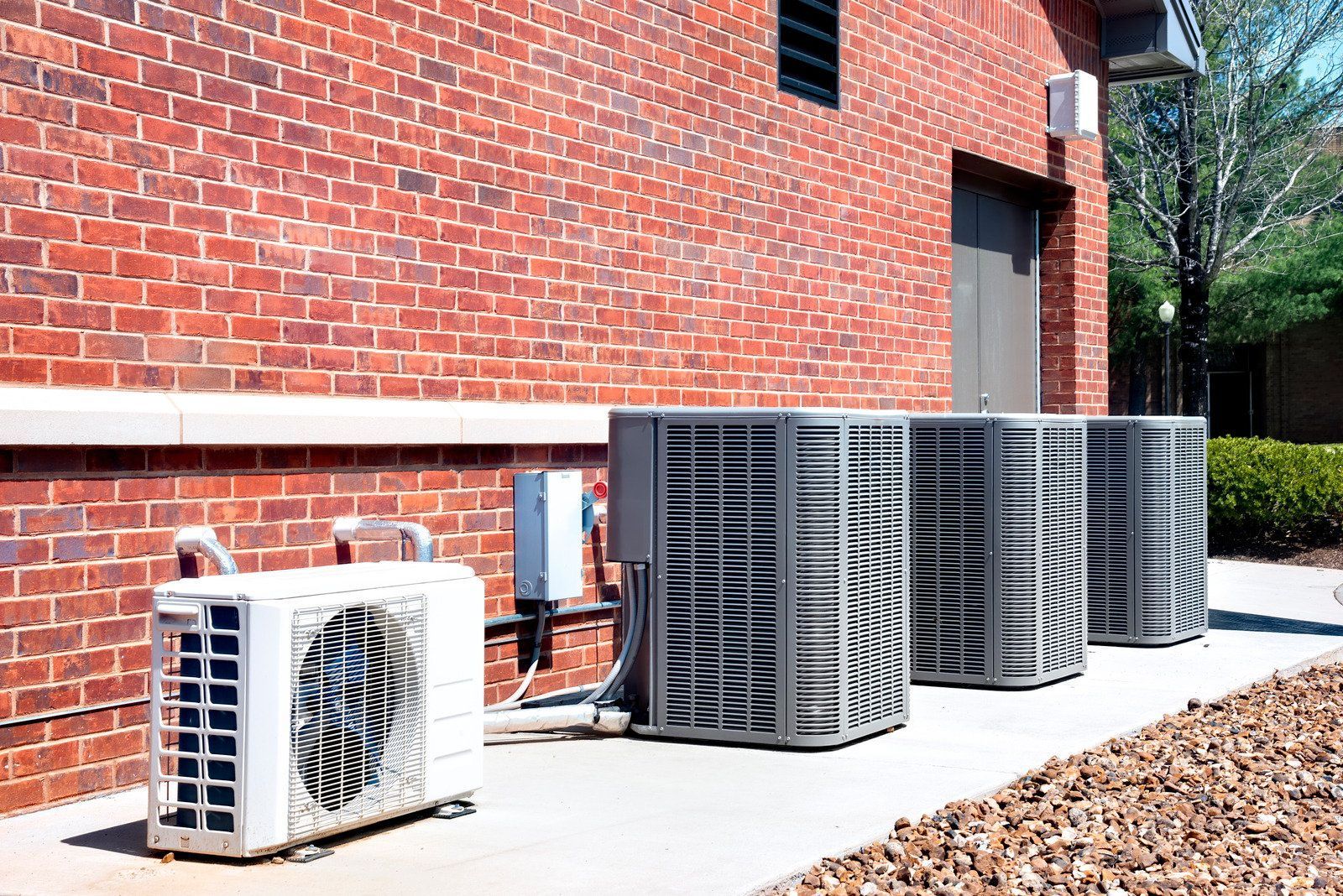
The condenser needs open air on all sides. Shrubs grown in tight, a fence built too close, or tools stacked against the cabinet trap hot air so the unit recirculates its own heat. Keep clearance.
Gently rinsing the fins
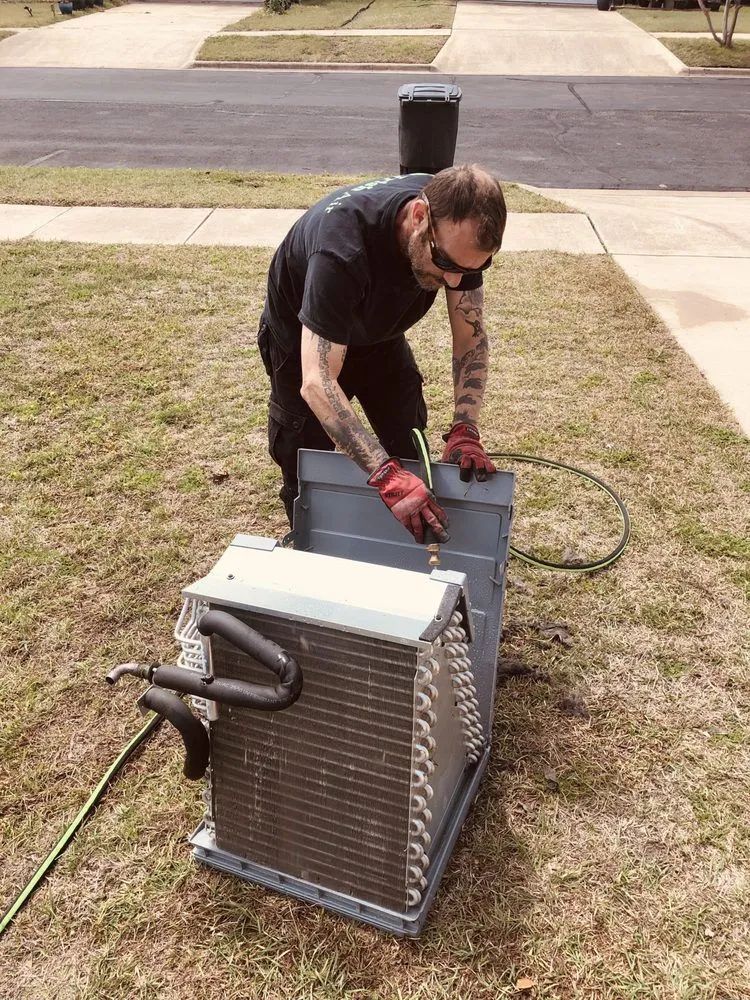
With the power off, lightly hose the coil from top to bottom using nothing stronger than garden-hose pressure. A pressure washer flattens the delicate fins. A caked or bent coil is a job for a technician.
When the Cooling Side Needs a Technician
Some causes of poor cooling are not do-it-yourself territory, and trying to force the system through them can turn a repair into a replacement.
Low refrigerant
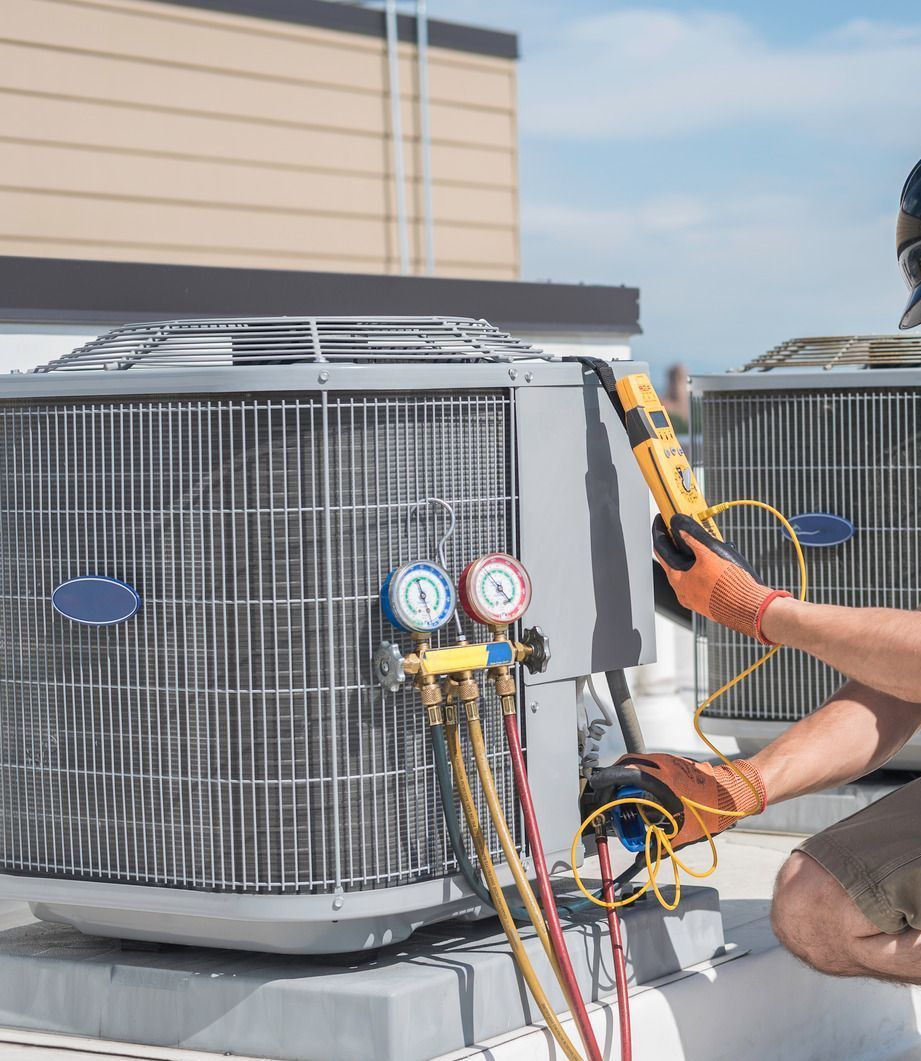
If the charge is low, usually because of a leak, the system loses cooling capacity and struggles hardest on the hottest days. Refrigerant is not consumed like fuel, so weak cooling paired with steadily longer runtimes is a classic sign.
A frozen evaporator coil
It sounds backward, but restricted airflow or low refrigerant can ice the indoor coil during a heat wave. Once frost coats the line, switch the AC off, set the fan to on to thaw it, and get it inspected before running.
A weakening compressor or capacitor
The compressor is the heart of the system, and the run capacitor gives it the jolt to start. As these age after long Texas summers, the system quietly loses efficiency and cooling power even when nothing has failed outright yet.
WARNING: A system that keeps freezing over, trips its breaker, or runs every hour of the day and still loses ground is telling you something is wrong, and running it hard in that state can cook the compressor. Once a compressor is damaged, you are looking at a major repair rather than a small one. If the equipment is clearly straining and the simple checks did not fix it, the safer move is to shut it down and have it diagnosed rather than pushing it through a heat wave.
When the House Is the Problem, Not the AC
Sometimes the equipment is fine and the building is working against it. These are the ones people miss because they blame the box outside.
Leaky attic ductwork
In many Central Texas homes, ducts run through attics topping 130 degrees. Every gap or crushed flex duct leaks cooled air into that oven and pulls superheated attic air back into the system.
Thin insulation and leaky windows
Older homes often lack the attic insulation and sealing needed to hold cool air, and drafty windows let heat pour in. The AC ends up trying to cool the whole neighborhood outside.
An undersized or aging system
If the equipment was never sized for the home, or it is 12 to 15 years old and worn, it may lack capacity. Compressors lose efficiency as they age and wear down.
What Realistic Performance Looks Like in Extreme Heat
Set your expectations to the weather. On a 100-to-105-degree afternoon, a well-maintained system holding the house in the high 70s to low 80s, running long stretches and finally catching up in the evening, is doing its job. That is not a system to replace; that is a system meeting the limit of what it was built to do.
The warning signs are about change and direction. A house that used to hold 74 and now cannot get under 82, a system that never once shuts off across a cooler night, a growing gap between the thermostat setting and the actual temperature, or weak airflow at the vents on a day that should be easy: those are the patterns worth acting on. Catching them early, before the worst of the heat, is the difference between a small tune-up and a miserable weekend without cooling.
Frequently Asked Questions
Is it normal for my AC to run all day when it is over 100 degrees?
Yes. During a triple-digit stretch, a healthy system often runs almost continuously through the hottest afternoon hours. What is not normal is a unit that runs nonstop yet still keeps losing ground hour after hour.
Why can't my AC get the house below 80 when it is 102 outside?
Most central systems cool indoor air to roughly 20 degrees below the outdoor temperature. At 102 outside, that puts you near 82 indoors at the equipment limit. Setting the thermostat far lower cools nothing faster.
Will setting my thermostat lower cool the house down quicker?
No. The system cools at the same rate regardless of how low you set the number. Dropping it to 68 only guarantees the unit never cycles off, adding wear without lowering the temperature any faster.
How often should I change my filter during a Central Texas summer?
Check it monthly during the hardest-running months. A clogged filter chokes airflow and pushes the system to use more energy while cooling less. If you cannot see light through it, replace the filter now.
Can a dirty outdoor unit really stop my AC from keeping up?
Absolutely. The outdoor coil sheds the heat your system pulls from the house. When the fins pack with dust, grass, or cottonwood fluff, it cannot release that heat and cooling capacity drops sharply fast.
When should I stop troubleshooting and call a professional?
If simple checks like the filter, vents, thermostat, and a clear outdoor unit do not restore comfort, or the coil freezes or the breaker trips, call now. A straining system risks costly compressor damage.
Getting Ahead of the Next Heat Wave
An air conditioner that struggles at 100 degrees is not always a failing air conditioner, and knowing the difference saves you money and stress. Much of what feels like weakness is the equipment meeting an honest physical limit on an extreme day, and a fair amount of the rest comes down to a filter, a vent, or a coil buried in cottonwood. Rule out the simple things, set realistic expectations for how cold a house can get when the sun is relentless, and watch for the real warning signs: a widening gap between the setting and reality, a system that never rests, or airflow that has quietly gone weak. Handle those before the worst of the summer, not during it.
Schedule a summer performance check — Beat the next triple-digit stretch by having your system checked before it falls behind. Irish Air
inspects the filter and airflow, cleans and clears the outdoor condenser coil, verifies refrigerant charge, and pinpoints whether weak cooling is normal heat-limit behavior or a real fault like a failing capacitor or leaky attic ductwork. Backed by 13
years of experience serving Temple, Texas, and the surrounding area, a 10-year warranty, financing options, and free quotes for both homes and businesses, our team gets your comfort ready for the hottest days ahead. Reach out today to book your appointment and stay cool all season.