How Seasonal HVAC Checkups Can Prevent Major Breakdowns
It's the third day in a row your thermostat reads seventy four but the air coming out of the vents feels lukewarm at best. You check the filter, you check the breaker, and everything looks fine on the surface, which is almost always the moment a bigger problem is already underway. The truth is that most major HVAC failures don't happen suddenly. They build quietly over weeks or months, and a seasonal checkup is the only real way to catch them before the system actually quits on you.
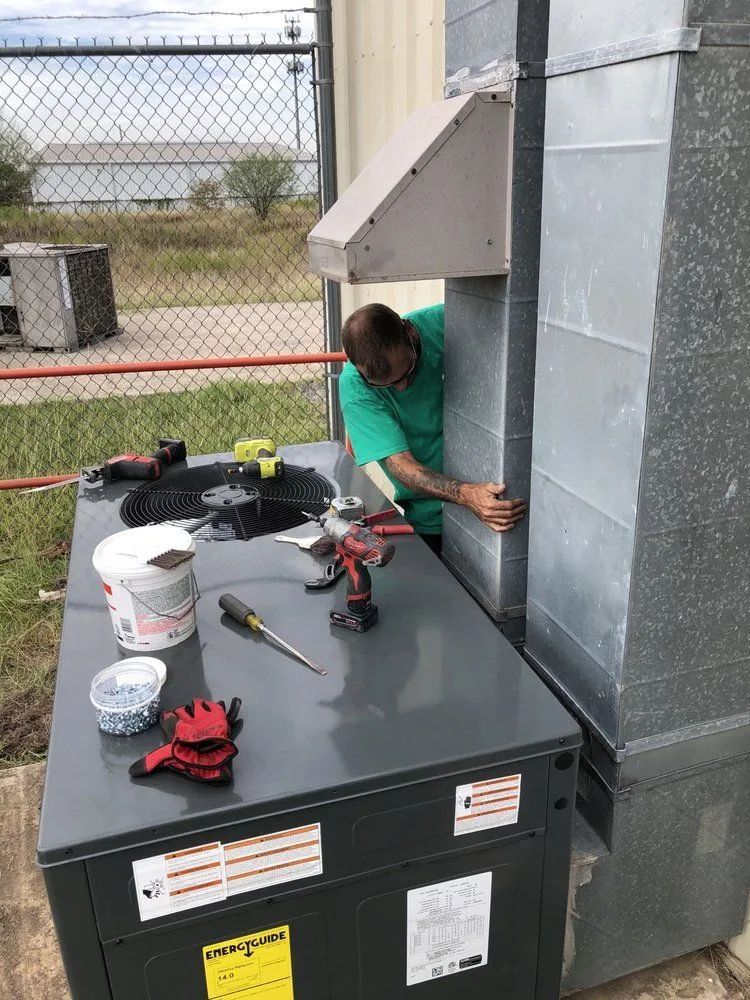
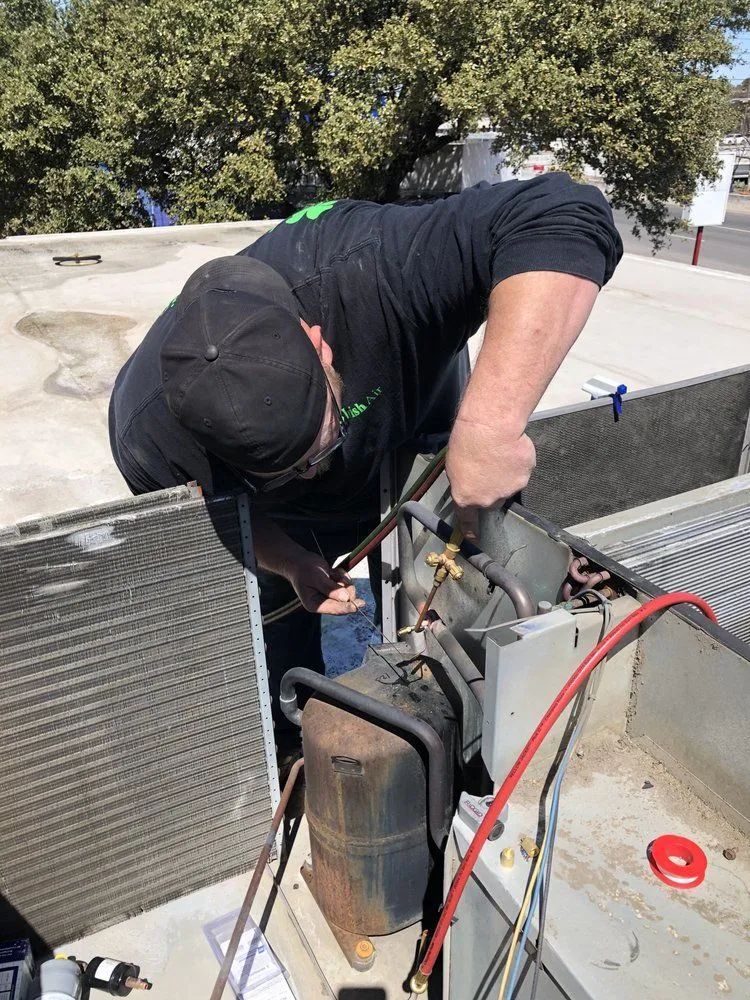
We've opened enough access panels to know that breakdowns rarely come out of nowhere. A unit that fails on the hottest afternoon of the year was usually struggling weeks earlier, just not loud enough for anyone to notice. That's the entire point of a seasonal checkup. It catches the quiet stuff before it becomes the loud, expensive, middle of the night stuff.
How HVAC Maintenance Improves System Efficiency
Refrigerant levels drift, electrical connections loosen, and dust accumulates in places you can't see without taking something apart. None of these issues announce themselves right away. A system can run on slightly low refrigerant for months while quietly losing efficiency, forcing the compressor to work harder than it was ever designed to. Capacitors weaken gradually too, often losing measurable strength six to twelve months before they fail outright, which is why a system that ran fine last season can suddenly stop starting this season with zero warning the day before.
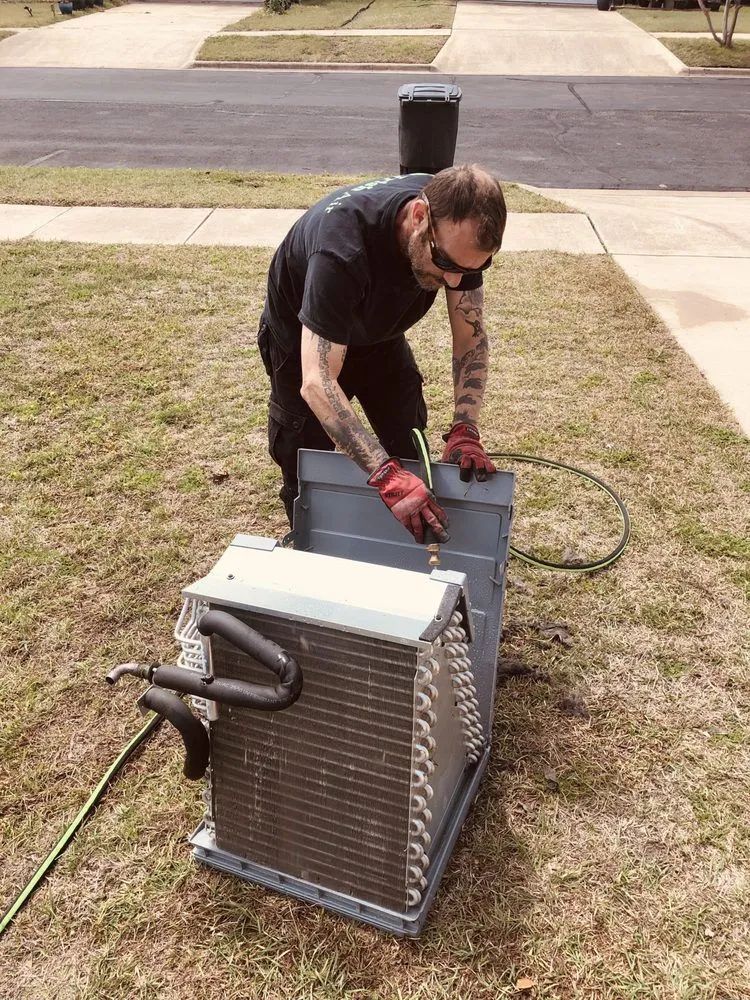
Coils tell a similar story. A thin film of dust on an evaporator coil might only reduce airflow by a small percentage at first, but that restriction forces the blower motor to run longer to hit the same temperature, which adds wear to a part that's expensive to replace and slow to source. By the time you notice warm air or short cycling, the coil has usually been losing efficiency for a full season already.
The Checks That Matter Most
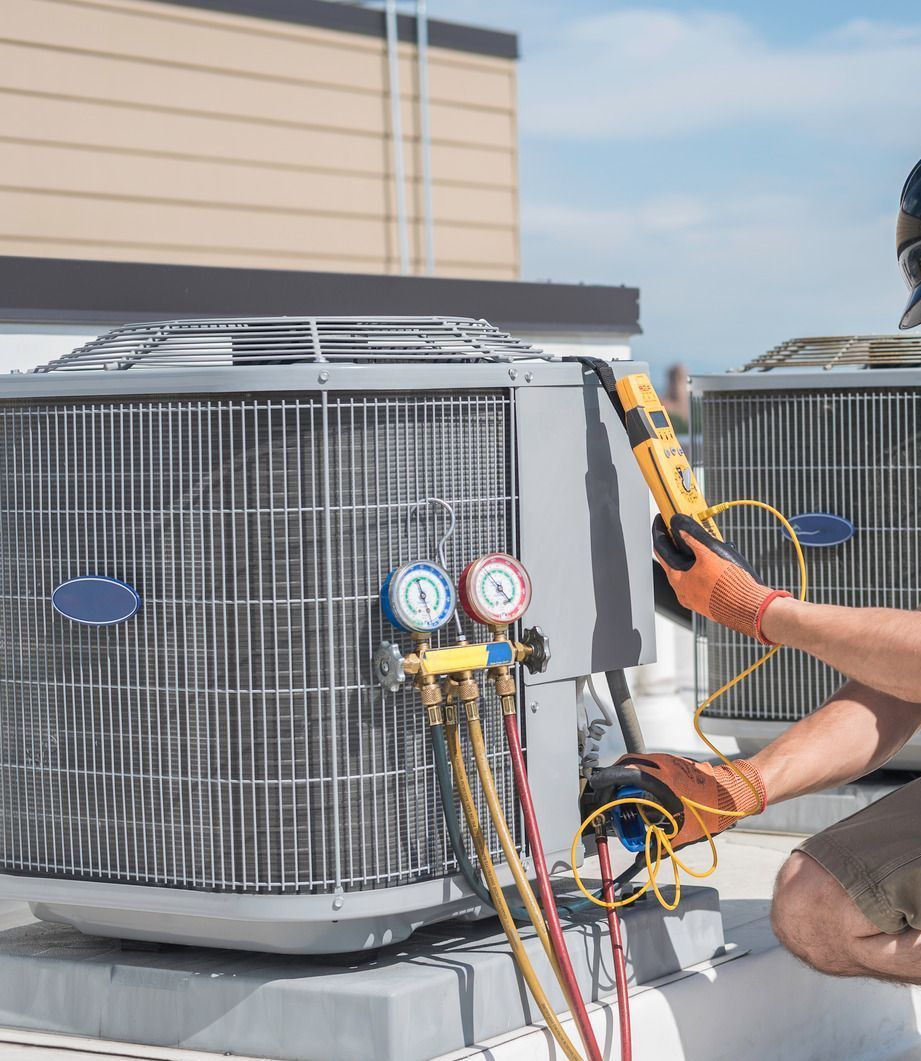
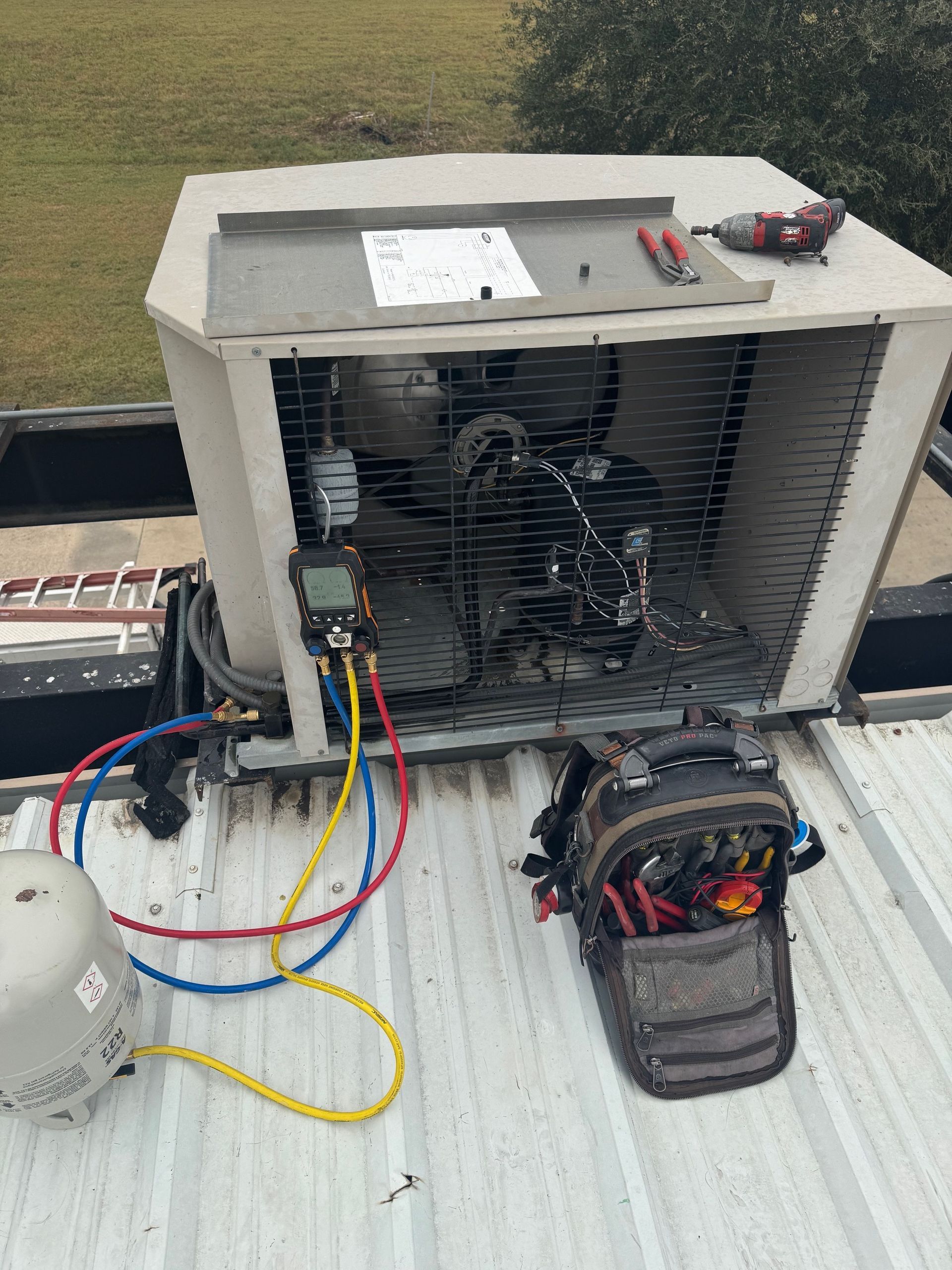
When we walk into a seasonal visit, we're not just glancing at the thermostat. We're checking refrigerant pressure against the manufacturer's target range, testing capacitor strength with a meter rather than guessing by sound, inspecting electrical connections for the kind of corrosion that builds slowly in humid conditions, and clearing drain lines that clog more often than most homeowners realize. We also check static pressure across the system, because airflow problems are behind a large share of the comfort complaints we see, and airflow issues rarely show up as anything obvious until the compressor is already stressed.
On older systems, we pay close attention to the contactor and the start components, since those parts tend to fail first and almost always without warning. A blower wheel caked in dust is another common find, one that quietly cuts airflow and drives up runtime long before anyone calls about a problem.
Signs You Shouldn't Wait On
A few warning signs mean it's worth scheduling a visit sooner rather than waiting for the next seasonal window. Short cycling, where the system turns on and off in quick bursts, usually points to either an airflow restriction or an electrical component that's starting to fail. Ice forming on the refrigerant line is a sign of restricted airflow or low refrigerant, and running the system longer in that state only pushes more strain onto the compressor. A burning smell from the vents, especially one that's sharp rather than just dusty, means you should shut the system off and call for service rather than waiting it out.
Coils tell a similar story. A thin film of dust on an evaporator coil might only reduce airflow by a small percentage at first, but that restriction forces the blower motor to run longer to hit the same temperature, which adds wear to a part that's expensive to replace and slow to source. By the time you notice warm air or short cycling, the coil has usually been losing efficiency for a full season already.
WARNING: If you smell anything electrical or burning coming from your vents or outdoor unit, turn the system off at the thermostat and the breaker before doing anything else. Running a unit with a failing electrical component can damage the compressor permanently or create a fire risk, and that's not a situation worth testing yourself.
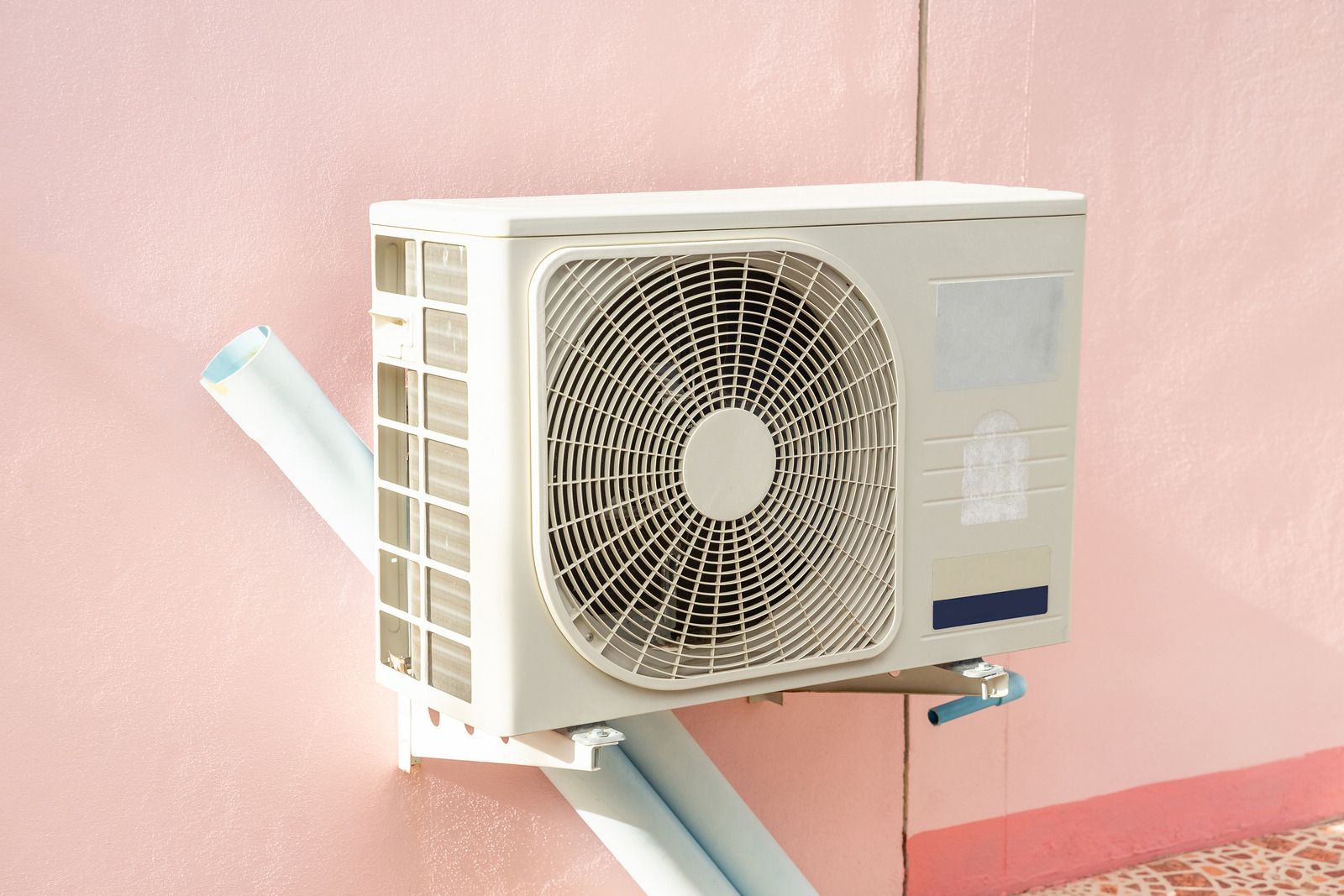
TIP: Before your next seasonal visit, take a photo of your outdoor unit's data plate and note any unusual sounds or smells you've noticed over the past month. Giving us that detail upfront often cuts diagnostic time in half, because half the job is knowing what changed and when.
Repair Now, Or Plan For Replacement
Honestly, this isn't always a clean answer. Sometimes a worn capacitor or a dirty coil is the entire problem, and a repair holds for years afterward. Other times that same symptom is the first visible sign of a compressor on its way out, and the repair only buys a season or two before something bigger fails. The way to tell the difference usually comes down to age and history. A system inside its expected service life that's had consistent seasonal attention is a strong candidate for repair almost every time. A system that's been skipping checkups for several years, or one that's already had more than one major component replaced, is telling you something different.
Humidity plays a bigger role in this decision than most people expect. Systems that run through long stretches of high humidity tend to show electrical and coil wear earlier than units in drier climates, which means age alone isn't always the best measure. We look at wear patterns alongside the calendar before recommending either path.
A Maintenance Rhythm That Actually Works
Honestly, this isn't always a clean answer. Sometimes a worn capacitor or a dirty coil is the entire problem, and a repair holds for years afterward. Other times that same symptom is the first visible sign of a compressor on its way out, and the repair only buys a season or two before something bigger fails. The way to tell the difference usually comes down to age and history. A system inside its expected service life that's had consistent seasonal attention is a strong candidate for repair almost every time. A system that's been skipping checkups for several years, or one that's already had more than one major component replaced, is telling you something different.
Humidity plays a bigger role in this decision than most people expect. Systems that run through long stretches of high humidity tend to show electrical and coil wear earlier than units in drier climates, which means age alone isn't always the best measure. We look at wear patterns alongside the calendar before recommending either path.
Repair Now, Or Plan For Replacement
Monthly, check and replace your filter if it's visibly dirty, since a clogged filter is still one of the most common causes of restricted airflow we see. Quarterly, walk around your outdoor unit and clear away leaves, grass clippings, or anything blocking airflow within a couple feet of the cabinet. Twice a year, ahead of your heaviest cooling and heating seasons, schedule a full inspection that includes refrigerant checks, electrical testing, and coil cleaning rather than waiting until something feels off. Long term, keep a simple record of what's been serviced and when, because that history is exactly what helps us catch a developing issue instead of just reacting to a failure.
During stretches of extended high humidity, check your drain line more often than usual, since clogs tend to form faster when moisture levels stay elevated for weeks at a time.
A Maintenance Rhythm That Actually Works
Monthly, check and replace your filter if it's visibly dirty, since a clogged filter is still one of the most common causes of restricted airflow we see. Quarterly, walk around your outdoor unit and clear away leaves, grass clippings, or anything blocking airflow within a couple feet of the cabinet. Twice a year, ahead of your heaviest cooling and heating seasons, schedule a full inspection that includes refrigerant checks, electrical testing, and coil cleaning rather than waiting until something feels off. Long term, keep a simple record of what's been serviced and when, because that history is exactly what helps us catch a developing issue instead of just reacting to a failure.
During stretches of extended high humidity, check your drain line more often than usual, since clogs tend to form faster when moisture levels stay elevated for weeks at a time.
Mistakes That Are Easy To Make
Skipping a checkup because the system seems fine is one of the most understandable mistakes out there, mostly because a struggling system often still produces cool air right up until it doesn't. The problem is that efficiency loss happens long before total failure, so fine isn't the same as healthy.
Another common one is assuming a thermostat replacement or filter swap fixed the issue because the system seemed to improve temporarily. Sometimes that improvement is real. Other times it's a temporary reduction in load that masks a component already on its way out, and the same symptom returns within weeks.
Topping off refrigerant without finding the leak first is another mistake we see often. Refrigerant doesn't get used up through normal operation, so a low charge always means a leak somewhere, and adding more without locating it just delays the same conversation a season later while letting the compressor run under stress in the meantime.
Frequently Asked Questions
How long does a seasonal HVAC checkup usually take?
Most checkups run between forty five minutes and ninety minutes depending on system age and whether anything unusual turns up. Older systems or ones with multiple zones tend to take longer since there's more to inspect.
Can a seasonal checkup really prevent a breakdown?
Yes, in most cases. Catching a weak capacitor or low refrigerant early lets us address it on our schedule instead of yours failing during the hottest or coldest week of the year, which is when repairs are hardest to schedule quickly.
Is it safe to skip a checkup if nothing seems wrong?
It's common, but risky. Many failing components don't cause noticeable symptoms until they're close to failing completely, so a system that feels fine can still be heading toward a breakdown.
What's the biggest sign my system needs immediate attention?
A burning smell, ice on the refrigerant line, or rapid on off cycling are the three signs that mean don't wait. Each one points to a problem that gets worse the longer the system keeps running.
Does humidity affect how often I should get checkups?
Yes. Homes that deal with long stretches of high humidity tend to see faster electrical corrosion and coil buildup, which is why twice a year checkups make more sense than an annual visit in those conditions.
Dependable Service From Technicians Who Know This Climate
A system that fails always had a quieter version of that failure happening weeks earlier, and a
seasonal checkup is simply the chance to catch it while it's still quiet. Long, humid stretches make that quieter version progress faster than it would elsewhere, which is exactly why staying ahead of it matters here more than people expect. If your system is overdue for a look, Irish Air has spent several years handling exactly these calls across Temple, Texas, and the surrounding area, and we're ready to take a look before it becomes an emergency.