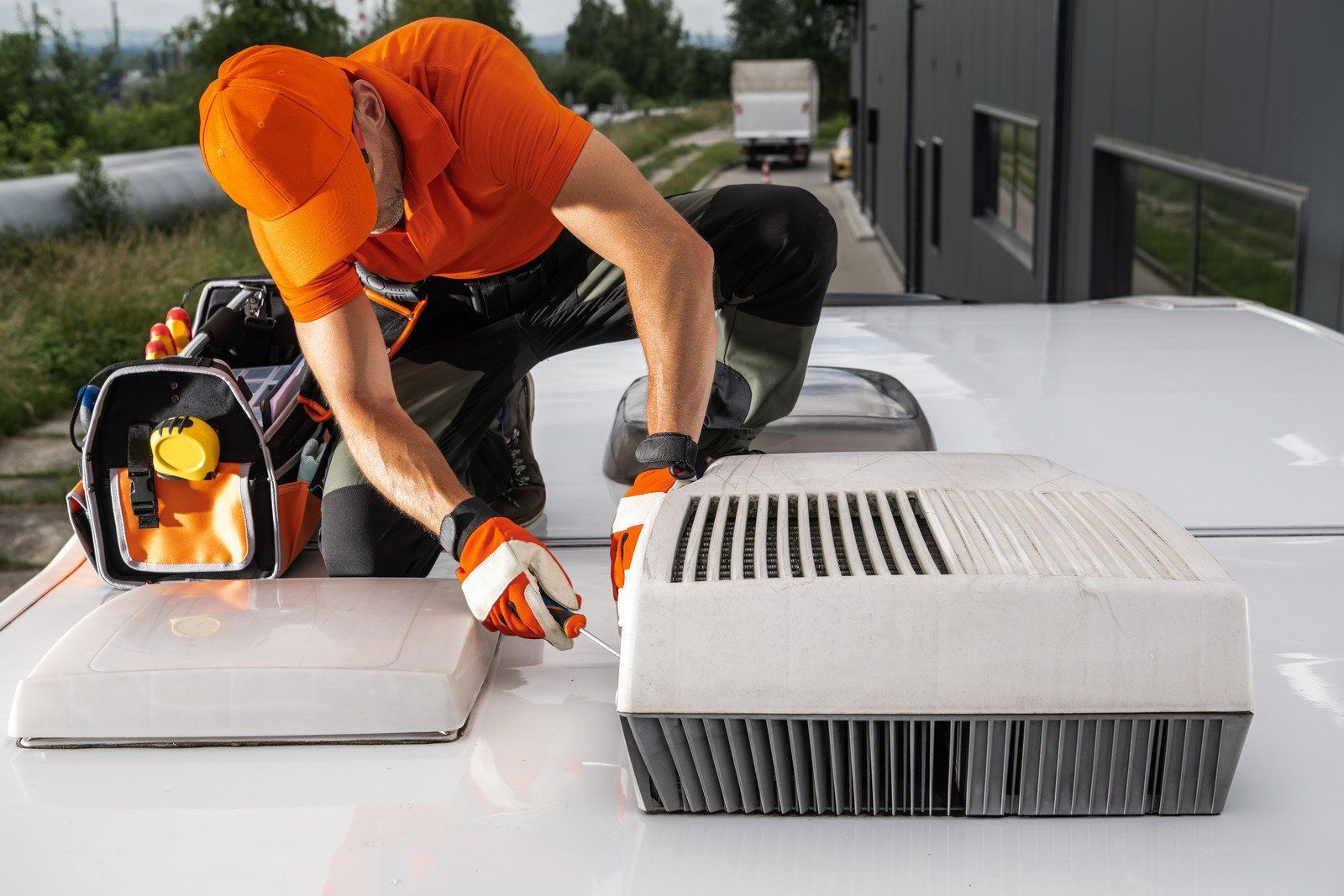
AC Blowing Warm Air Instead of Cool? The Most Common Causes
Quick Answer: An AC that blows warm air is almost always tied to one of six problems: a clogged air filter starving the system of airflow, a refrigerant leak, a frozen evaporator coil, a bad capacitor or other electrical fault at the outdoor unit, a failing compressor, or a thermostat set wrong or misreading the room. Filters and thermostat settings you can check yourself in five minutes. Refrigerant, electrical, and compressor issues need a trained technician, since low refrigerant means a leak somewhere in a sealed system and a failing compressor can get worse fast if it keeps running. Shut the system off if the air coming from the vents feels close to room temperature and you've already ruled out the filter and thermostat, then call for a diagnosis before the compressor takes more damage.
You put your hand up to the vent expecting the usual blast of cold air and get almost nothing. Maybe it's lukewarm. Maybe it's flat-out warm, like the system gave up somewhere between the attic and the living room. The thermostat still says it's running. The outdoor unit might even be humming along like normal. But the air coming out isn't doing its job, and outside it's pushing past 100 degrees again.
This is one of the more unsettling AC problems because everything looks like it's working. The blower's on, the display shows "cooling," and yet the house keeps creeping warmer. The good news is that warm air almost never comes out of nowhere — it points to a specific breakdown somewhere in the cooling cycle, and most of those breakdowns have a clear fingerprint once you know what to look for.
How Your AC Actually Cools the Air
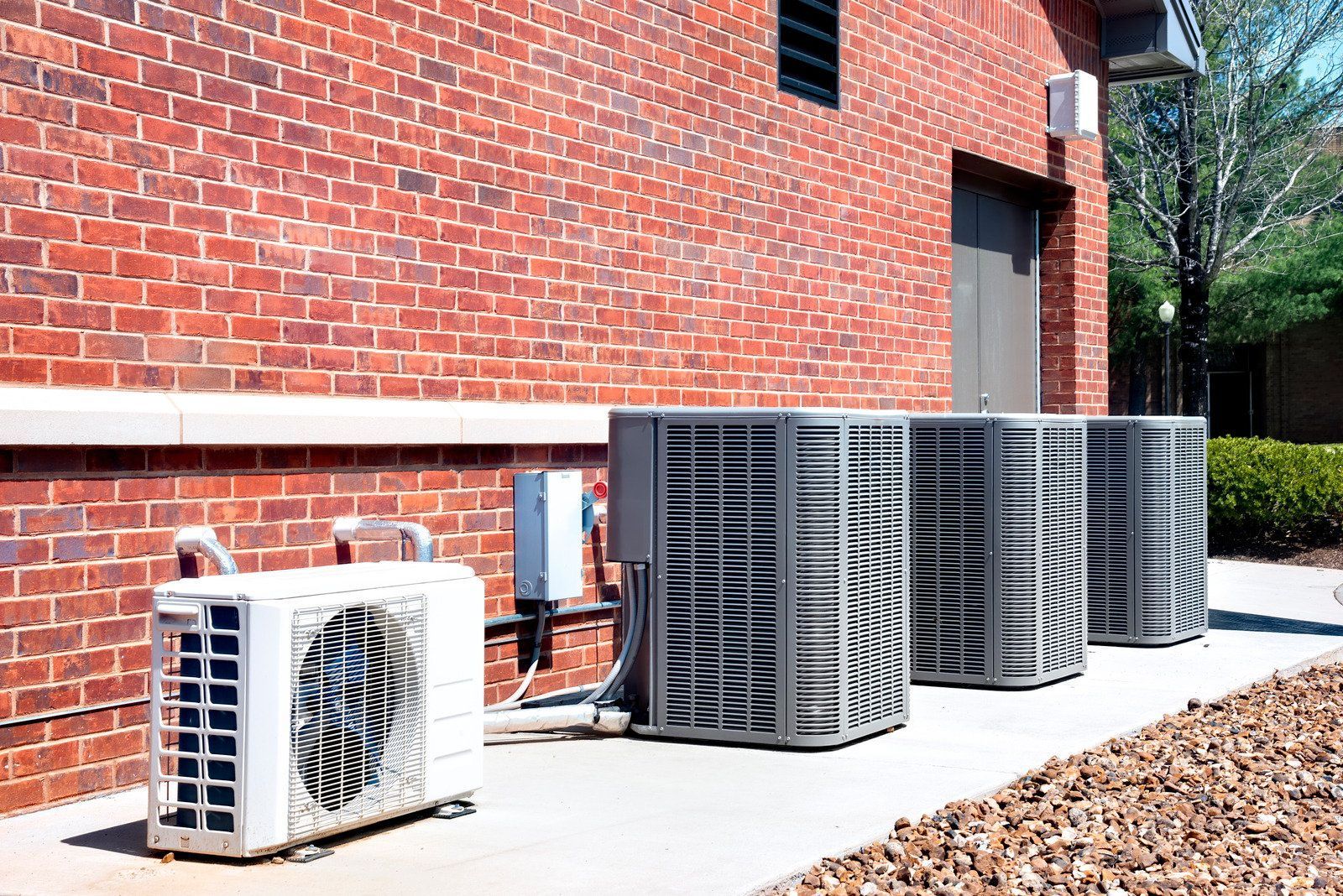
A central air conditioner doesn't create cold air out of thin air. It moves heat out of your house and dumps it outside, using refrigerant as the vehicle. Refrigerant absorbs heat from the air passing over the indoor evaporator coil, travels out to the compressor and condenser coil to release that heat outdoors, then cycles back inside to do it again. The blower fan is just there to push air across the coils so the heat transfer can happen.
Warm air at the vents means that heat-transfer cycle broke down somewhere along the line. It could be a simple airflow restriction, or it could be something deeper in the refrigerant circuit. Knowing where in the cycle the problem sits is most of the diagnosis.
The Most Common Reasons Your AC Blows Warm Air
A Clogged Air Filter
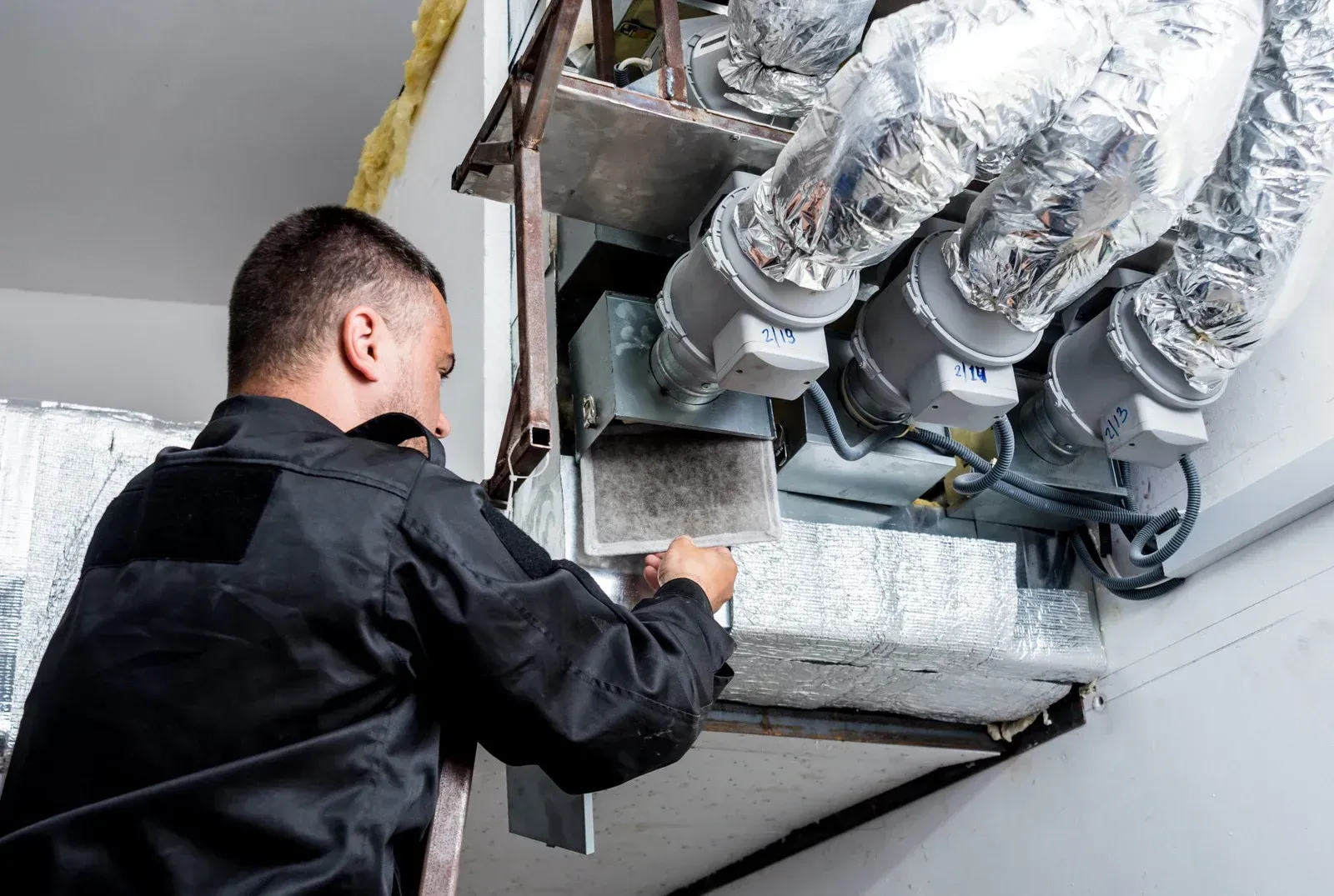
A clogged air filter is the most common reason an AC blows warm air. Heavy dust restricts airflow across the evaporator coil, causing it to become excessively cold and potentially freeze. Check the filter regularly and replace it every one to three months, or sooner during periods of heavy pollen or smoke.
A Refrigerant Leak
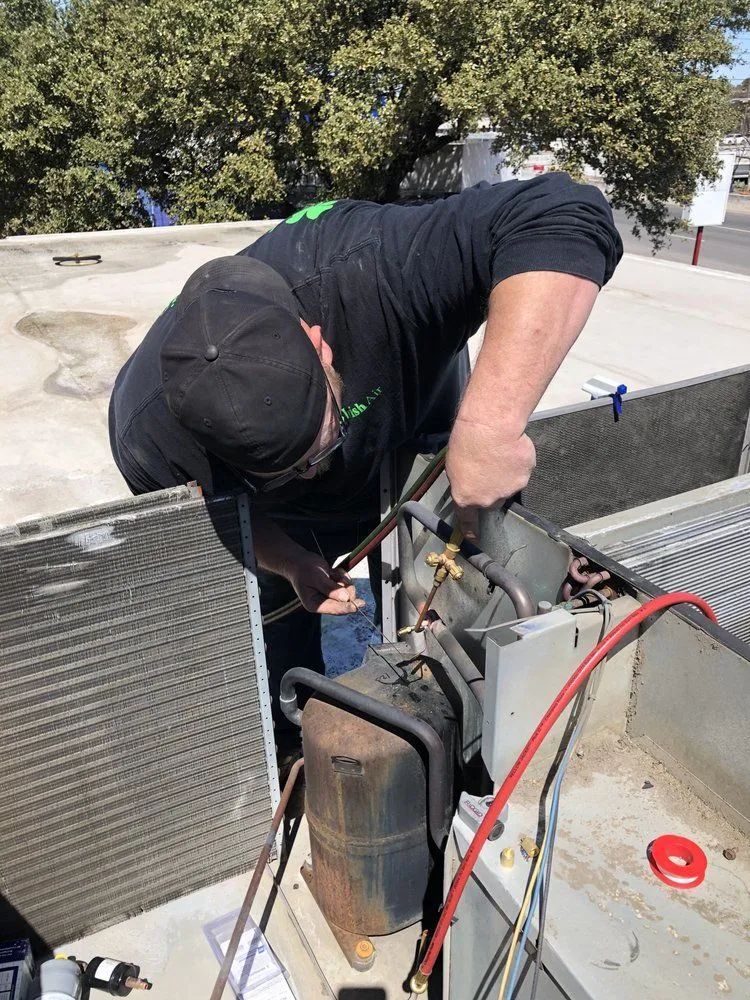
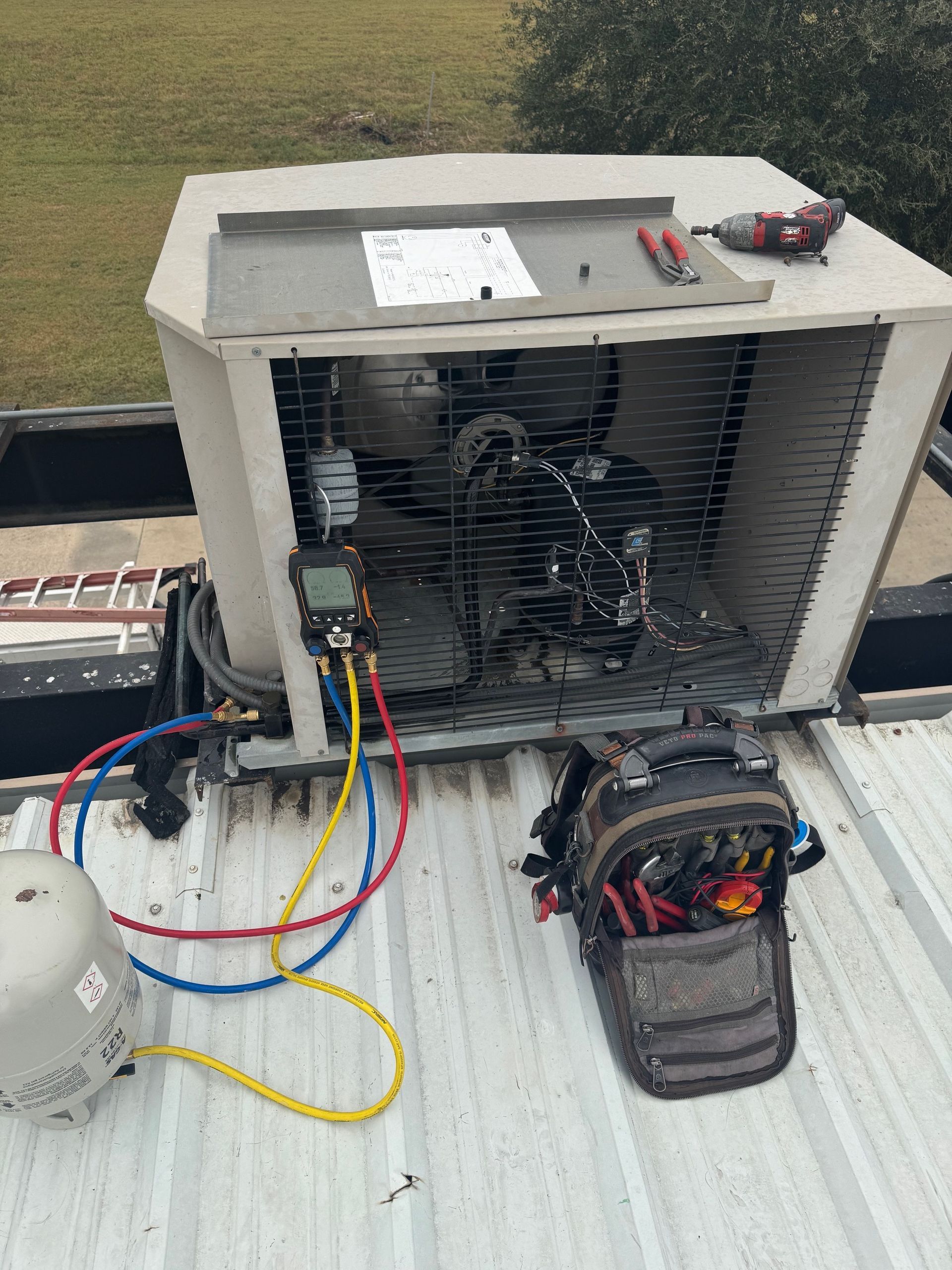
Refrigerant should remain inside a properly sealed AC system, so low refrigerant usually indicates a leak. Insufficient refrigerant prevents the system from absorbing enough heat from indoor air. Because locating leaks and recharging refrigerant requires specialized equipment and training, this problem should be handled by a qualified technician.
A Frozen Evaporator Coil
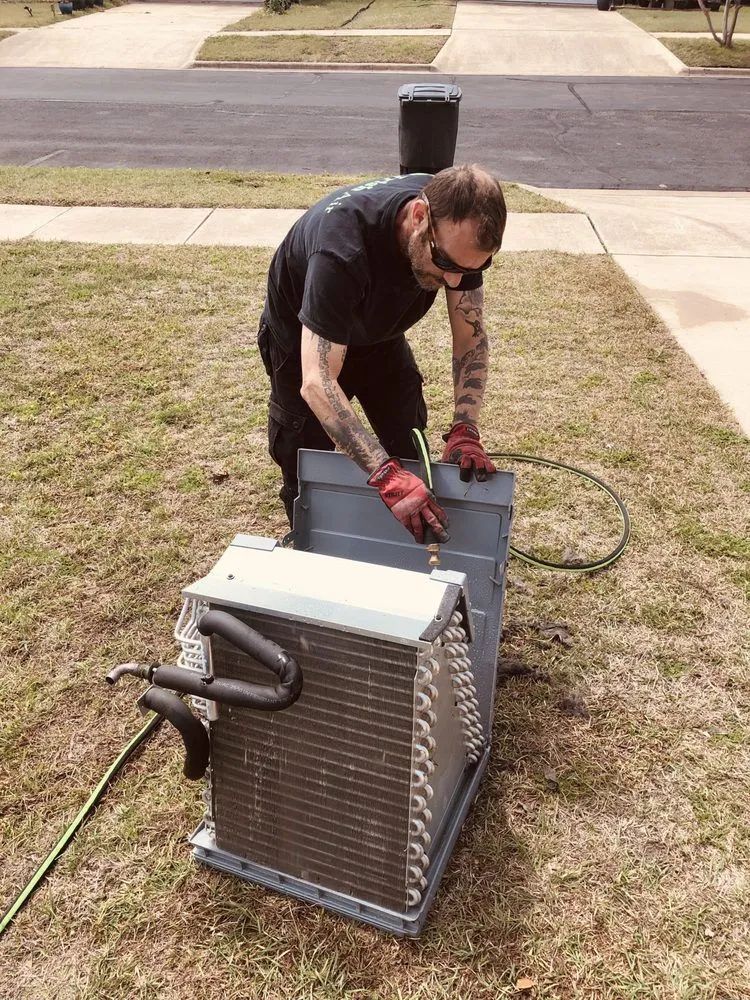
A frozen evaporator coil can cause warm air even though the AC appears to run normally. Restricted airflow, dirty filters, blower problems, or low refrigerant can make the coil freeze. Once covered in ice, the coil cannot transfer heat effectively. Turn off the system and allow it to thaw completely.
A Bad Capacitor Or Electrical Fault
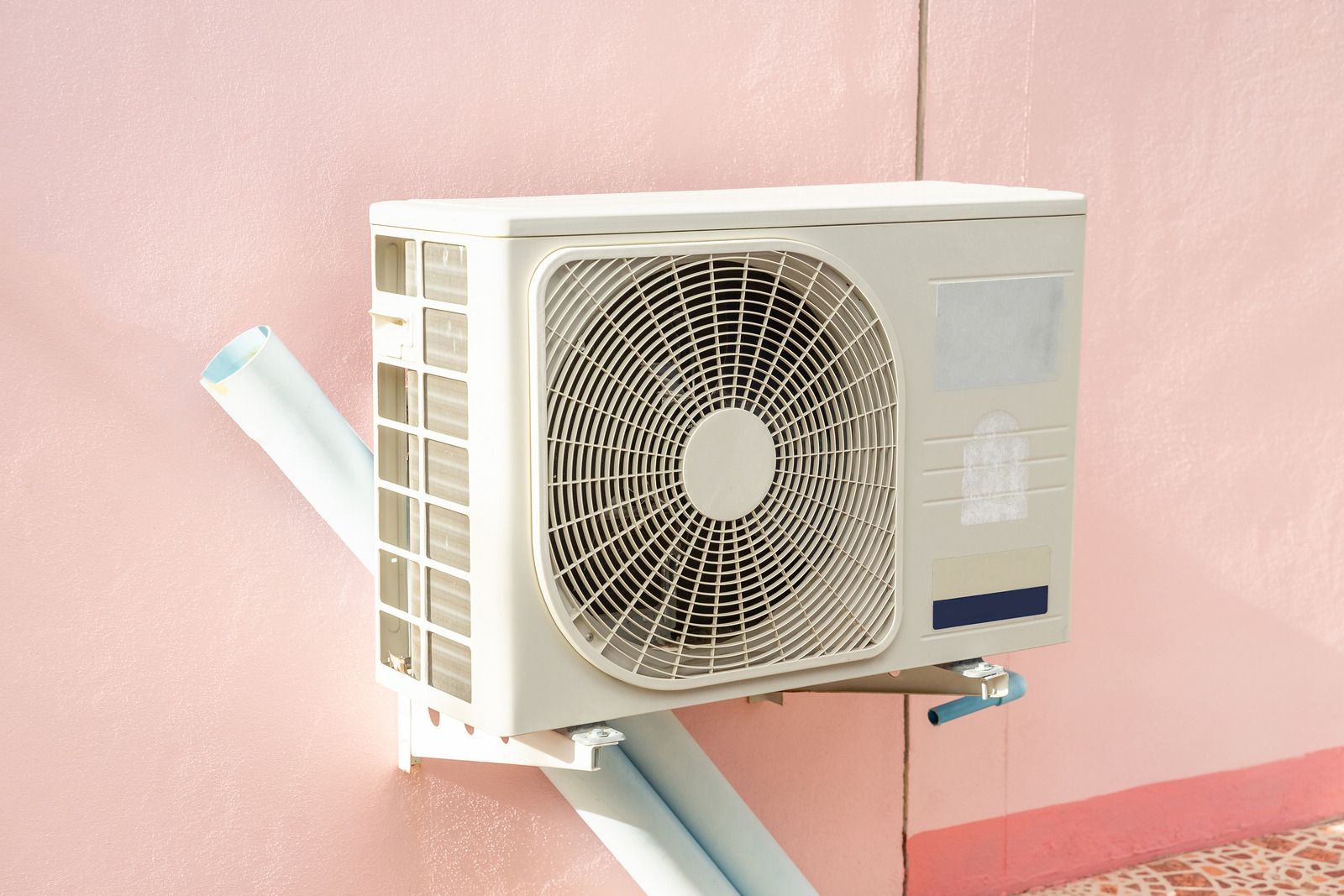
The outdoor condenser depends on a capacitor to start and operate its compressor and fan motor properly. A weak or failed capacitor can prevent the compressor from starting or cause inconsistent operation. Meanwhile, the indoor blower may continue circulating air, making it seem like the AC works while producing only warm air.
A Failing Or Overworked Compressor
The compressor circulates and pressurizes refrigerant, making it essential for cooling. Age, electrical problems, low refrigerant, and dirty condenser coils can place excessive strain on it. A failing compressor may continue running without creating the pressure needed for proper heat transfer, leaving the system operating but unable to produce cool air.
Thermostat Problems
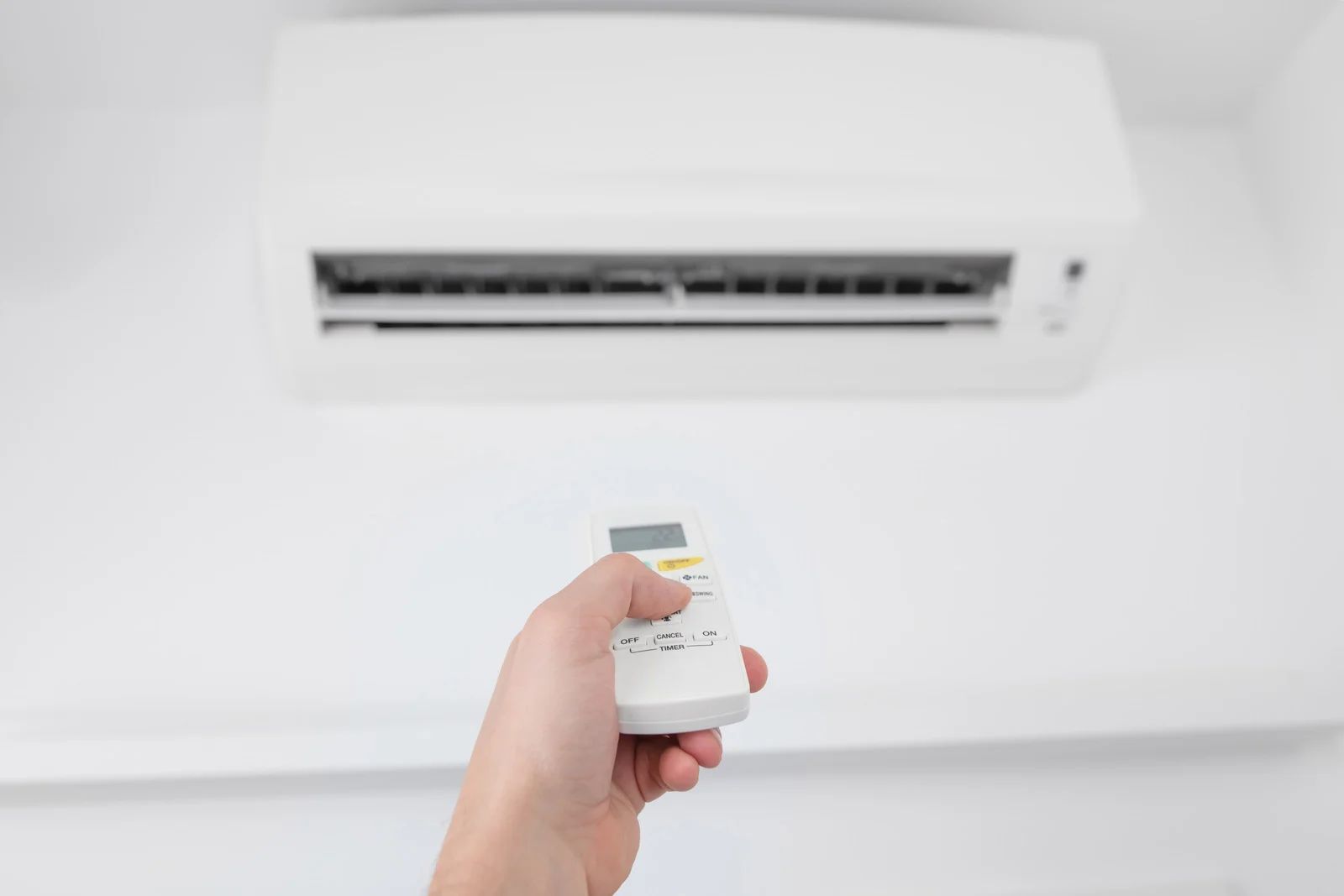
A thermostat setting can sometimes explain warm air from your vents. If the system is set to “Fan Only,” the blower will circulate air without cooling it. Direct sunlight or nearby heat-producing appliances can also affect temperature readings. Verify the thermostat is set to “Cool” with the fan on “Auto.”
TIP: Before calling anyone, do this quick three-step check: confirm the thermostat is set to "Cool" with the fan on "Auto," swap in a clean filter if the current one looks gray or matted, and check the outdoor breaker to make sure it hasn't tripped. These three things resolve a surprising share of "AC blowing warm air" calls, and ruling them out first saves a technician time (and you money) on the visit.
Why This Hits Harder in a Central Texas Summer
A system that's marginal in April can fail outright once temperatures hold in the upper 90s and 100s for weeks at a stretch, which is a normal stretch of a Temple-area summer. Long, continuous run times put more hours on the compressor and more strain on aging capacitors than a milder climate ever would. A system that's been quietly running low on refrigerant or coasting on a weak capacitor for months tends to reach its breaking point right when the heat index peaks and the AC is working hardest — not during a mild week when the failure would barely register.
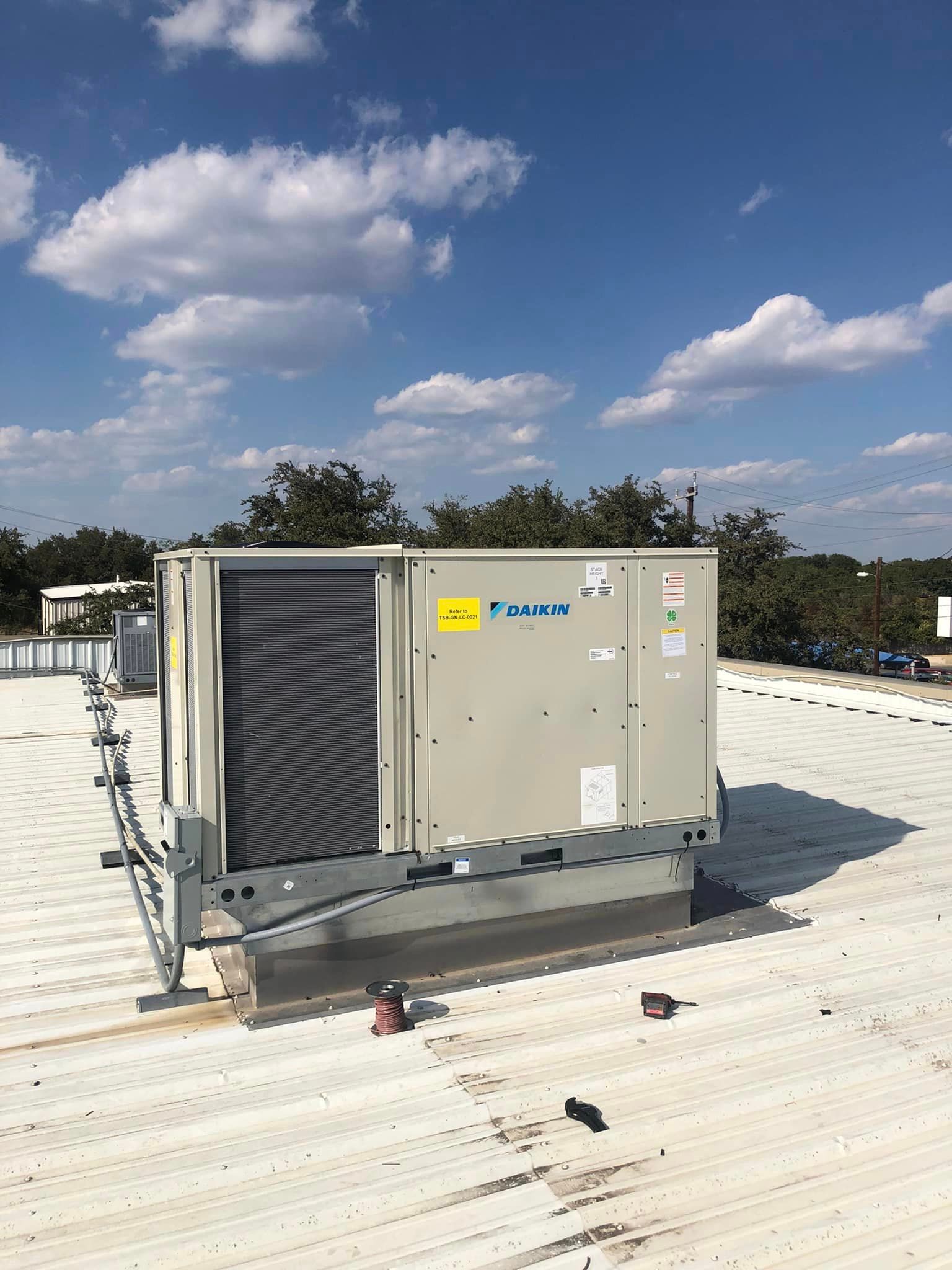
Attic-mounted air handlers, common in a lot of Central Texas homes, add another wrinkle. Attic temperatures can climb well past 120 degrees on a summer afternoon, which puts extra thermal stress on the equipment and the surrounding ductwork. If ducts running through that attic space have gaps or disconnected joints, some of the cooled air escapes before it ever reaches your rooms, which can feel a lot like warm air blowing from the vents even when the system itself is working correctly.
WARNING: If the outdoor condenser unit is making a loud humming or clicking sound but the fan isn't spinning, or if you smell anything burning near the indoor or outdoor unit, shut the system off at the thermostat and the breaker right away. A failed capacitor or an electrical fault can strain the compressor motor to the point of burnout if the system keeps trying to run, and that turns a moderate repair into a full compressor or system replacement.
What to Check Before You Call for Help
Start with the basics in this order, since it moves from easiest to hardest and mirrors how a technician would triage the same call.
Thermostat First
Confirm the mode is "Cool," the set temperature is below the current room temperature, and the fan is on "Auto." A thermostat with weak batteries can also lose its programming or misread the room, so a battery swap is worth trying if the display looks dim or erratic.
Filter Second
Pull the filter and hold it up to a light. If you can't see light through it, it's restricting airflow enough to matter. Replace it and give the system 20-30 minutes to see if performance improves.
Outdoor Unit Third
Walk outside and look at the condenser. Confirm the fan on top is spinning and that grass, leaves, or a stray tarp aren't blocking the sides. A unit that's silent, not spinning, or making a loud hum without turning is showing signs of an electrical fault, and that's where DIY troubleshooting should stop.
Ice Or Frost Fourth
Check the indoor coil (usually inside the air handler cabinet) and the refrigerant lines running to the outdoor unit for visible ice. If you find any, switch the system to "Fan Only" or off completely and let it thaw for a few hours before running the compressor again — restarting a frozen system can push liquid refrigerant into the compressor and damage it.
If none of that resolves things, the issue is almost always refrigerant, electrical, or mechanical, and all three call for a technician with gauges, meters, and hands-on experience to diagnose safely.
When Warm Air Signals a Bigger Problem
Not every warm-air call ends with a simple repair. A system that's already 12 or more years old, has needed refrigerant added more than once, or is showing a failing compressor is often past the point where another repair makes sense on its own. In those cases, a technician should walk you through what's actually failing and what your options look like, rather than just patching the immediate symptom. A system nearing the end of its service life tends to keep producing the same warm-air complaint every few months until the underlying component finally gives out.
Frequently Asked Questions
Why is my AC blowing warm air but the outdoor unit is running?
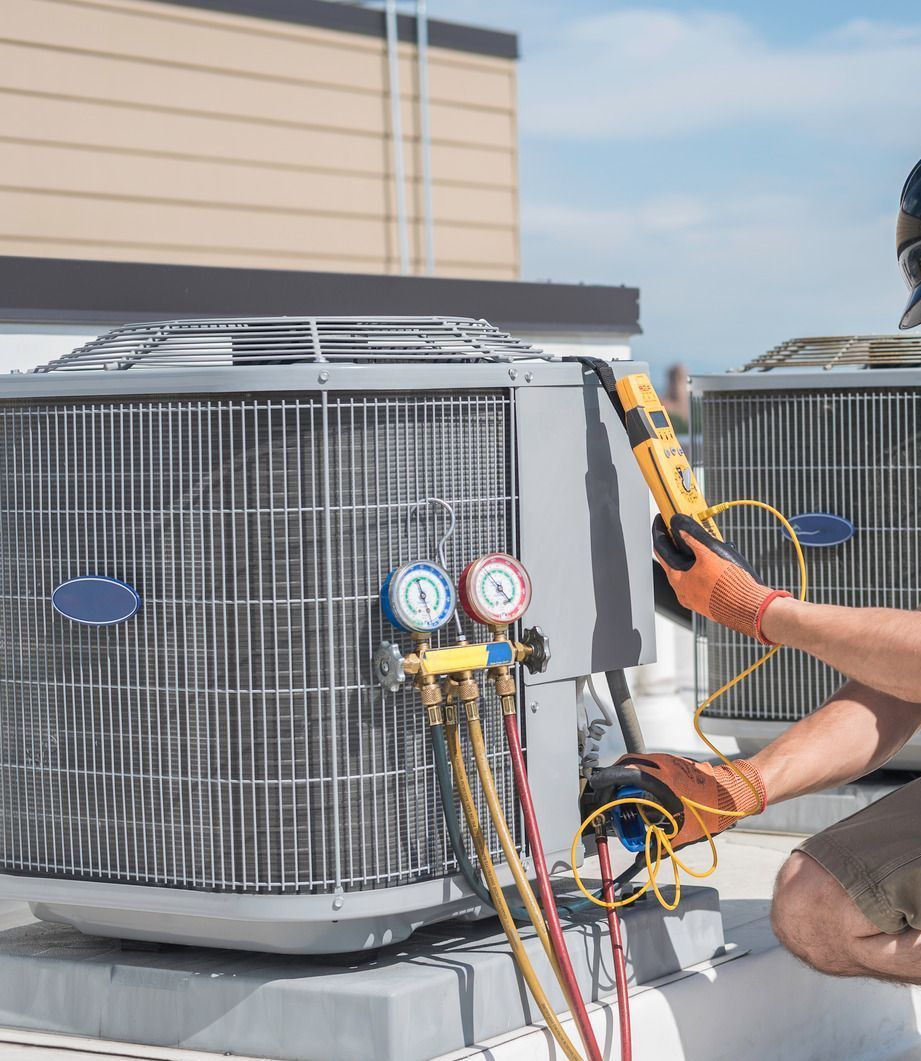
If the outdoor fan is spinning and the unit sounds normal, the most likely causes are low refrigerant from a leak or a compressor that's running but not actually pressurizing the refrigerant correctly. Both require a gauge set to diagnose accurately, so this is a case where a technician's visit saves time over more guesswork.
Can a dirty air filter really make the whole house feel warm?
Yes. A severely clogged filter can restrict airflow enough that the evaporator coil freezes over, which then blocks cooling almost entirely. It's one of the most common causes of a full-house "AC isn't cooling" complaint, and it's also the easiest one to rule out yourself.
Is it safe to keep running my AC if it's blowing warm air?
It depends on the cause. If ice has formed on the coil or lines, running the system further can send liquid refrigerant into the compressor and cause serious damage, so shut it off and let it thaw. If you've ruled out ice and it's simply underperforming, running it briefly while you troubleshoot the filter and thermostat is generally fine.
How do I know if it's a refrigerant leak versus a compressor problem?
Both can produce warm air with the outdoor unit still running, which is why they're hard to tell apart without equipment. A technician checks refrigerant pressure and superheat/subcooling readings to see whether the charge is low (pointing to a leak) or the compressor itself isn't building pressure correctly (pointing to a mechanical failure).
Why does my AC blow warm air only in the afternoon?
Afternoon heat is when your system runs longest and hardest, so any marginal component — a weak capacitor, a slightly low refrigerant charge, a compressor nearing the end of its life — tends to show its symptoms once the system has been cycling for hours. A unit that seems fine in the morning but blows warm air by 4 p.m. is often flagging a problem that only shows up under sustained load.
Should I try to add refrigerant to my AC myself?
No. Refrigerant work calls for gauges, a recovery machine, and training that goes well beyond a home toolkit. And adding refrigerant without first finding and fixing the leak just means it'll leak out again — getting the charge level wrong can damage the compressor too.
Getting Your Cooling System Back on Track
Warm air from a vent that should be blowing cold rarely happens without warning signs. Somewhere between the thermostat, the filter, and the refrigerant lines, one component starts slipping before the rest of the system follows. Homeowners who work through the checklist in order, from the simplest fix toward the more technical one, reach an answer faster than expected. What feels like a minor inconvenience can quickly turn into a full breakdown within days if the underlying cause goes unaddressed. Identifying
AC blowing warm air
early keeps your Temple home comfortable through every summer season, and Irish Air
has spent 13
years helping homeowners across Temple, TX track down exactly why a system stops cooling the way it should. Every diagnostic call follows the same logic laid out here, starting with the obvious and working toward the mechanical only when it's actually needed. A house that stays comfortable through a long Texas summer usually comes down to catching the small issues early, before they turn into something bigger, more stressful, and far more expensive to fix.