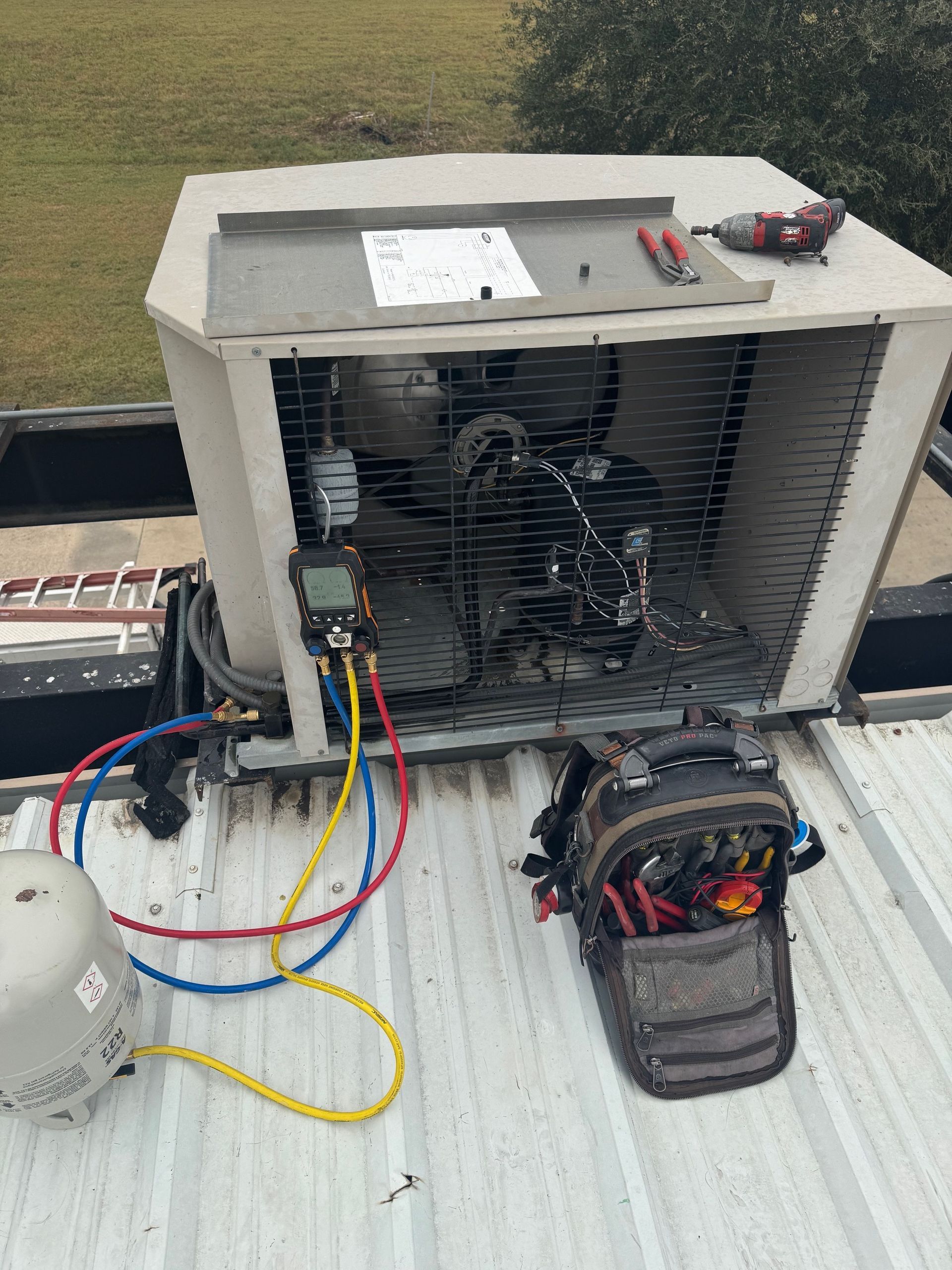
AC Running Nonstop and Never Reaching the Thermostat Setting? What's Wrong
Quick Answer: An AC that runs constantly and never reaches the thermostat setting almost always has a cause you can narrow down, not just a system giving up. The most common culprits are a clogged air filter, a dirty outdoor condenser coil, low refrigerant from a leak, leaky attic ductwork, a thermostat reading the wrong temperature, or a system that was undersized for the house from the start. A healthy system running long stretches during a Central Texas summer is normal; a system that runs around the clock and still keeps losing ground is not. Work through the simple checks first, then bring in a technician if the gap keeps growing.
The thermostat has read 76 since nine this morning. It is now four in the afternoon; it still reads 76, and the outdoor unit has not clicked off once. You can hear it humming through the wall, you can feel air moving from the vents, and the house still will not settle where you set it. Your electric bill is climbing right along with your patience, and you are left wondering whether the unit is actually broken or just working itself to death for nothing.
That specific complaint, a system that runs and runs but never seems to catch up, sends more Central Texas homeowners searching for answers than almost any other AC symptom. It is not the same as an AC that is merely working hard on a hot day. A unit that runs long during a 100-degree afternoon and then finally settles in the evening is doing exactly what it should. A unit that never settles, day after day, regardless of how hot it gets outside, is telling you something specific is wrong. Here is how an experienced technician sorts out which one you are dealing with.
Start With Airflow, Because It Causes the Most Calls
Before touching anything mechanical, rule out the parts of the system that simply move air. Airflow problems are the single most common reason a perfectly good AC seems to run forever without results.
A Clogged Air Filter
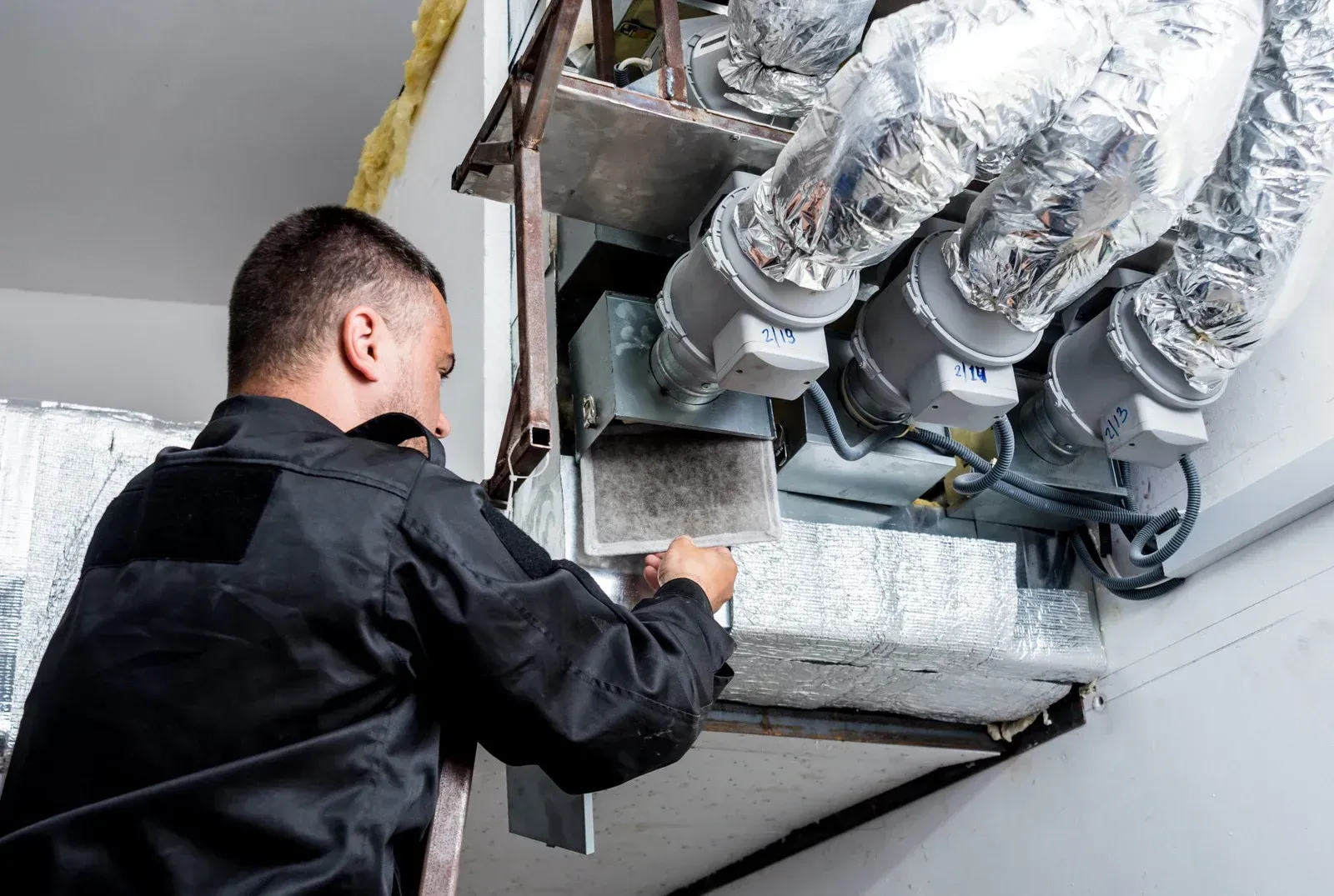
This is the first thing worth checking, every time. A filter packed with dust restricts the air coming back into the system, and a system starved of return air cannot move heat out of the house efficiently no matter how long it runs. A dirty filter can push a unit to use around 15 percent more energy while delivering noticeably less cooling, which is the exact combination behind a thermostat that will not budge. Pull the filter and hold it to a light source. If you cannot see light through it, replace it, and during peak summer months, check it monthly rather than waiting for the usual seasonal reminder.
Closed Or Blocked Vents And Returns
Walk the house and check every supply vent and return grille. A rug over a floor register, a couch pushed against a wall return, or a door closed to an unoccupied room all choke the air the system needs to circulate. Return air especially has to move freely, since the blower depends on pulling air back across the coil to keep cooling capacity where it should be. Open what is closed and clear what is blocked.
A Struggling Blower
Dust and grime build up on a blower wheel over years of use, the same way it builds up on a fan blade, and a caked blower wheel moves noticeably less air even when the motor sounds fine. This one is not a homeowner fix, but if the filter and vents check out and airflow at the registers still feels weak, mention it when you call for service.
The Outdoor Unit Has to Release That Heat Somewhere
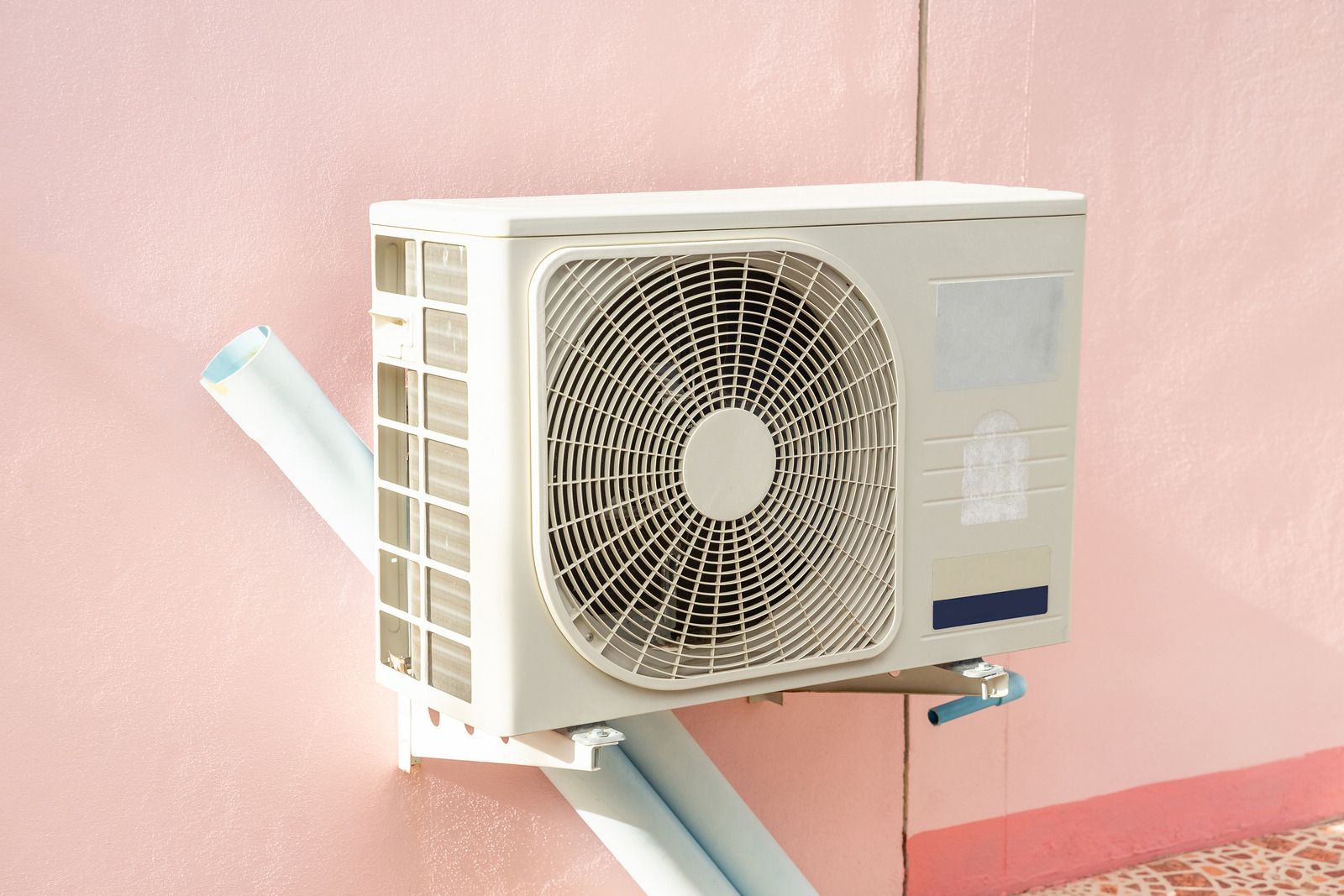
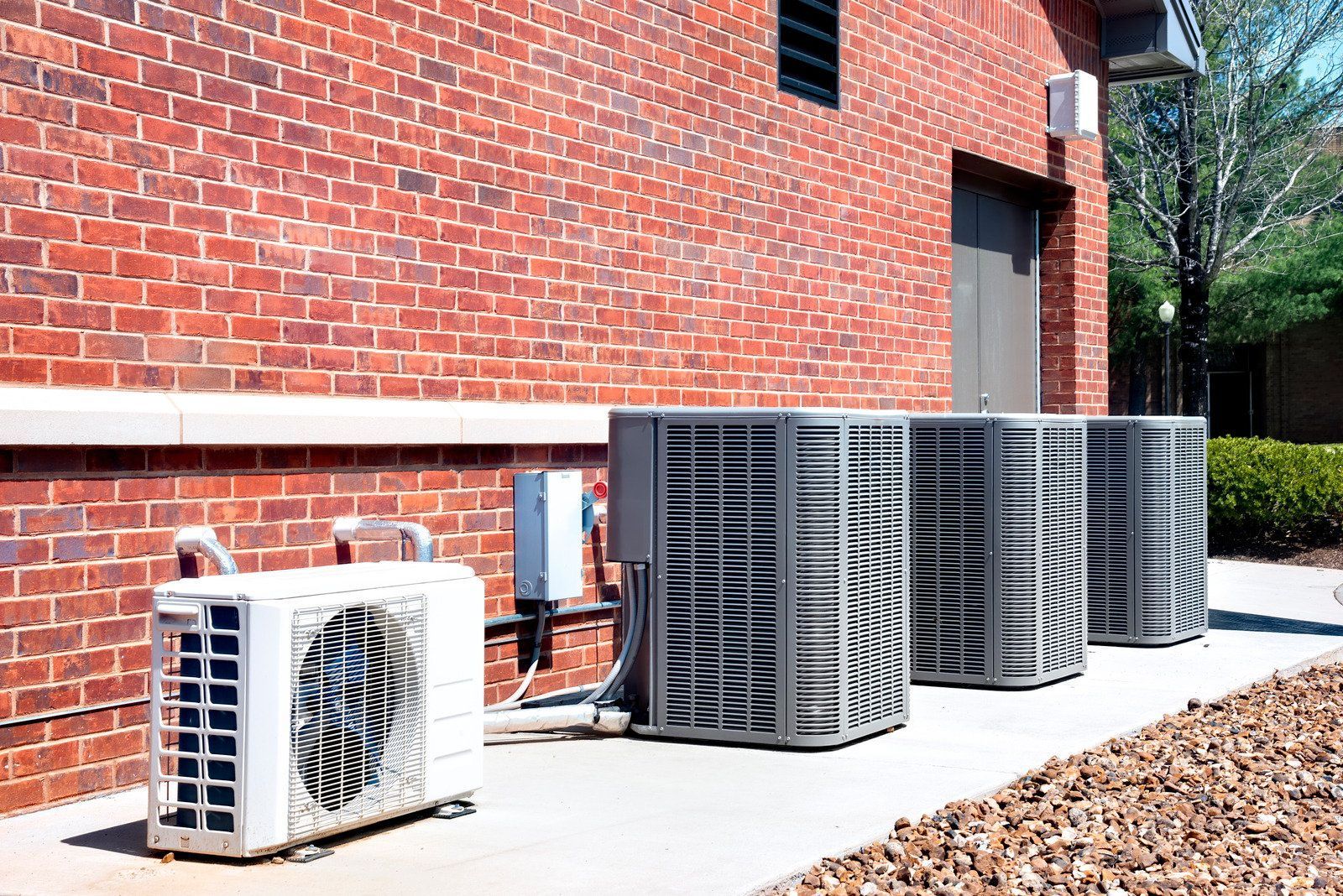
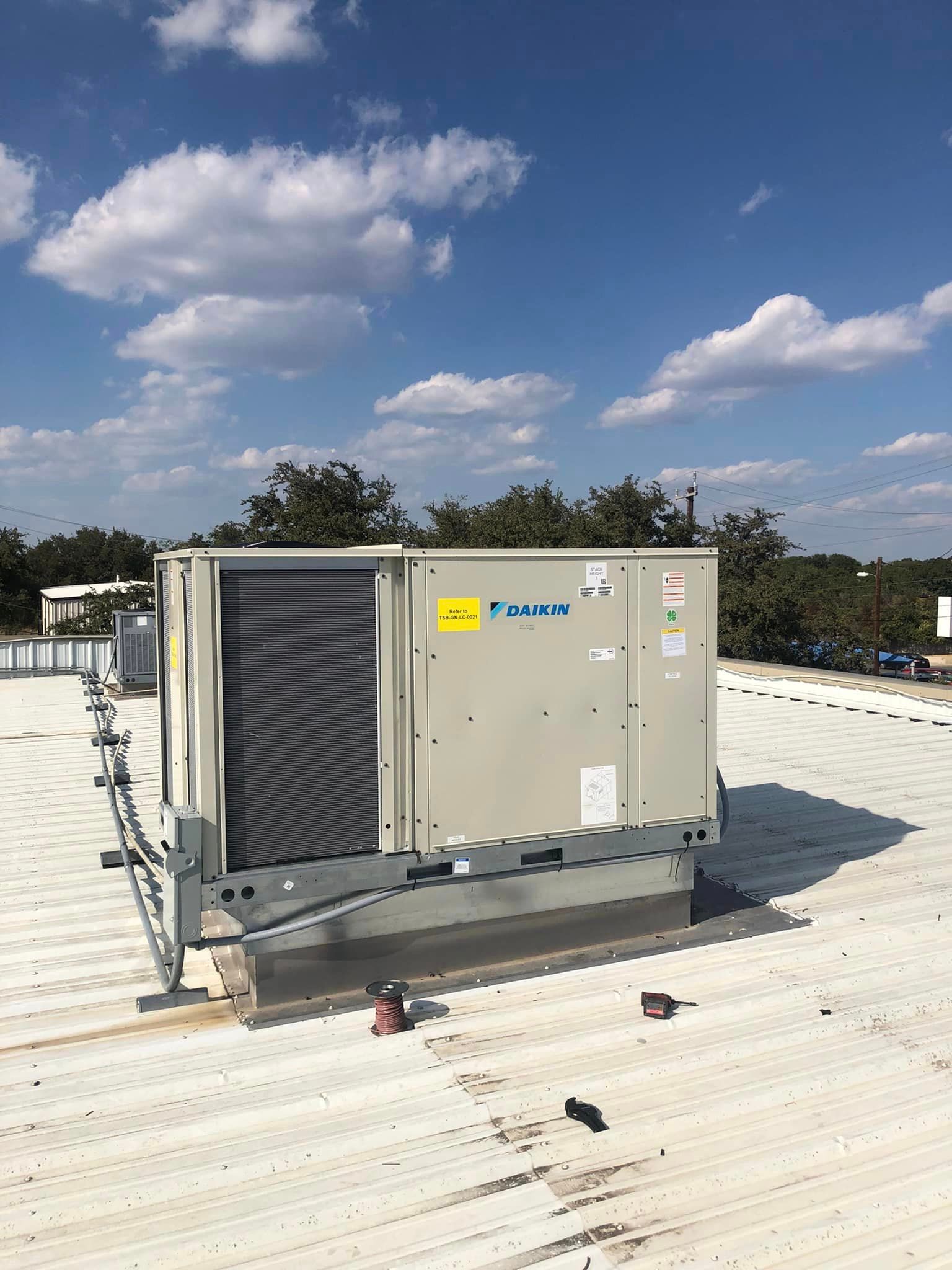
Your indoor coil absorbs heat from the house, and the outdoor condenser has to dump that heat into the outside air. If it cannot, the whole system backs up and just keeps running without making progress.
A Dirty Condenser Coil
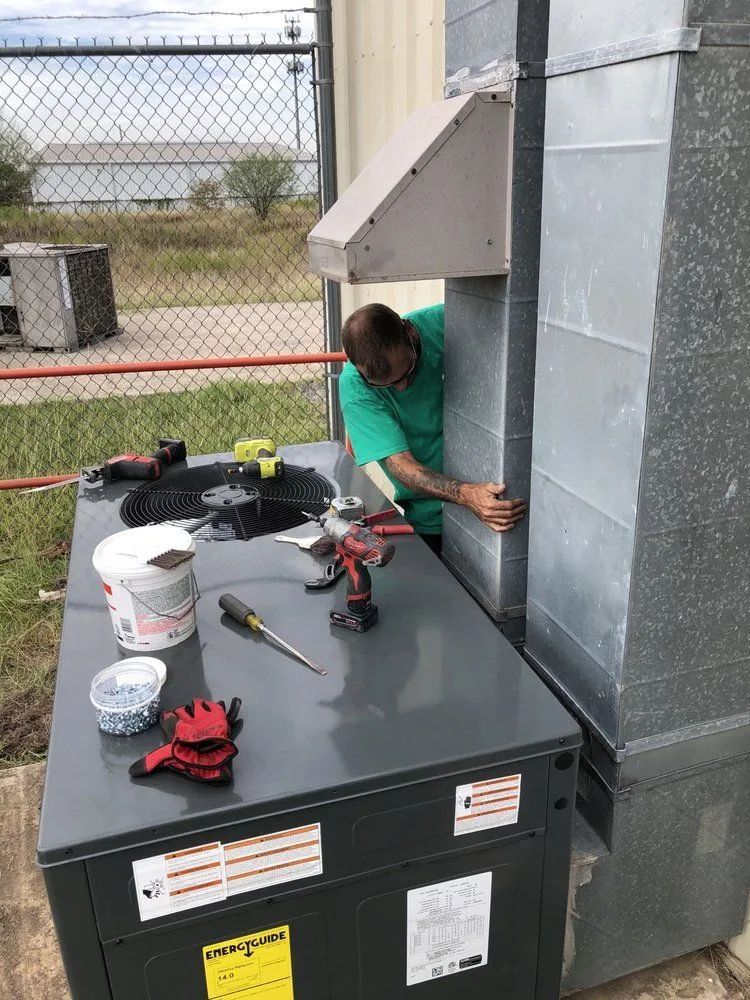
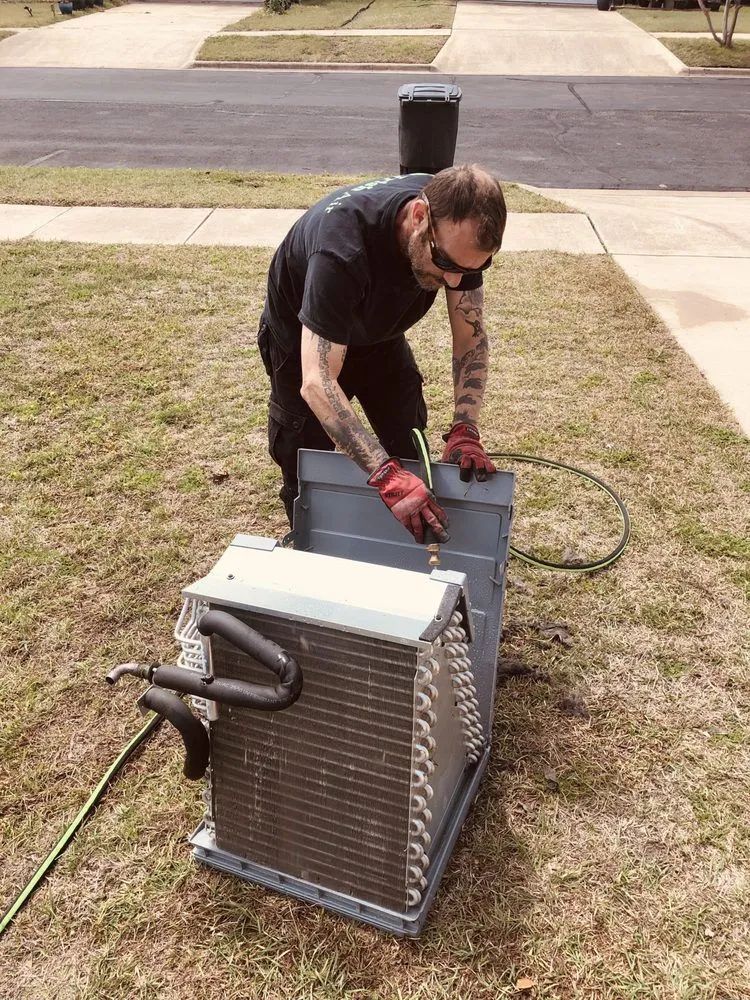
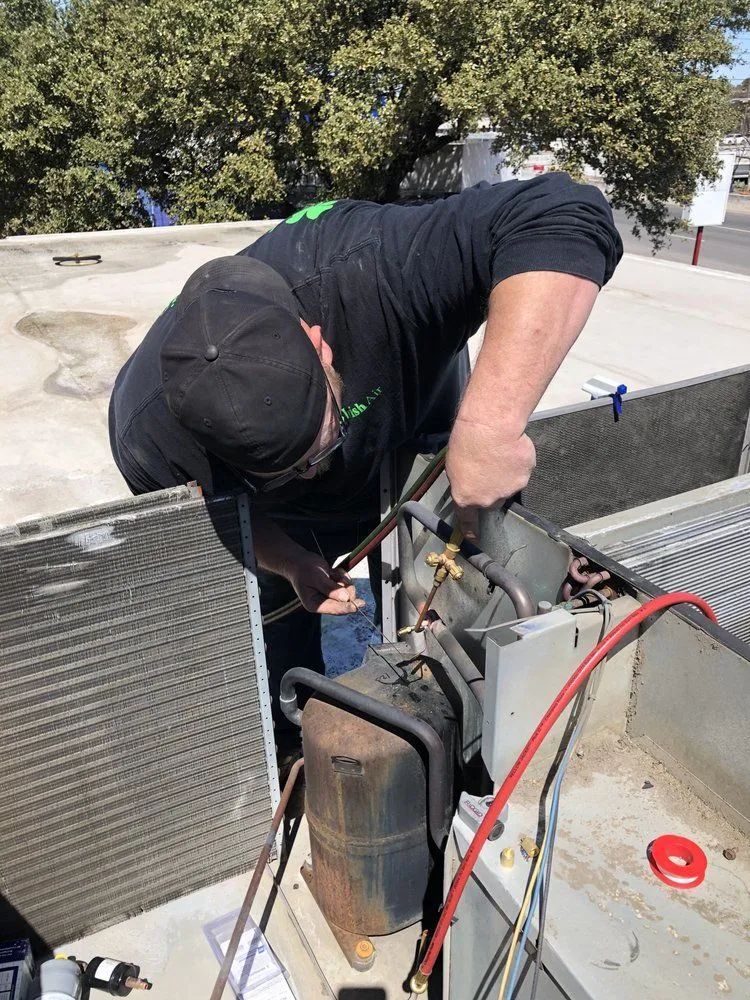
Grass clippings, cottonwood fluff, and general dust coat the fins of the outdoor unit over a Central Texas summer, and once they are packed in, the coil cannot shed heat the way it is designed to. System pressures climb, cooling capacity drops, and the compressor works harder for less result. Shut the power off and look through the fins from a couple of feet away. If you cannot see daylight through them, that is your answer.
Not Enough Clearance
The outdoor unit needs open air on every side to breathe. Overgrown shrubs, a fence built too close, or yard equipment stacked against the cabinet all trap the unit's own exhaust heat and make it recirculate warm air instead of releasing it. Two feet of clearance on all sides, and nothing stored on top, keeps the unit working the way it was built to.
TIP: A garden hose on a gentle setting, aimed straight down through the fins with the power off, clears light surface debris without bending anything. Skip the pressure washer entirely; it flattens the delicate fins and makes airflow worse, not better. If the coil looks heavily caked or the fins are already bent, that is a job for a technician with proper coil cleaner and fin combs.
Refrigerant, Ductwork, and the Problems You Cannot See
Some of the causes behind a system that never reaches its setting are invisible from the outside, which is exactly why they get missed for weeks or months.
Low Refrigerant From a Leak
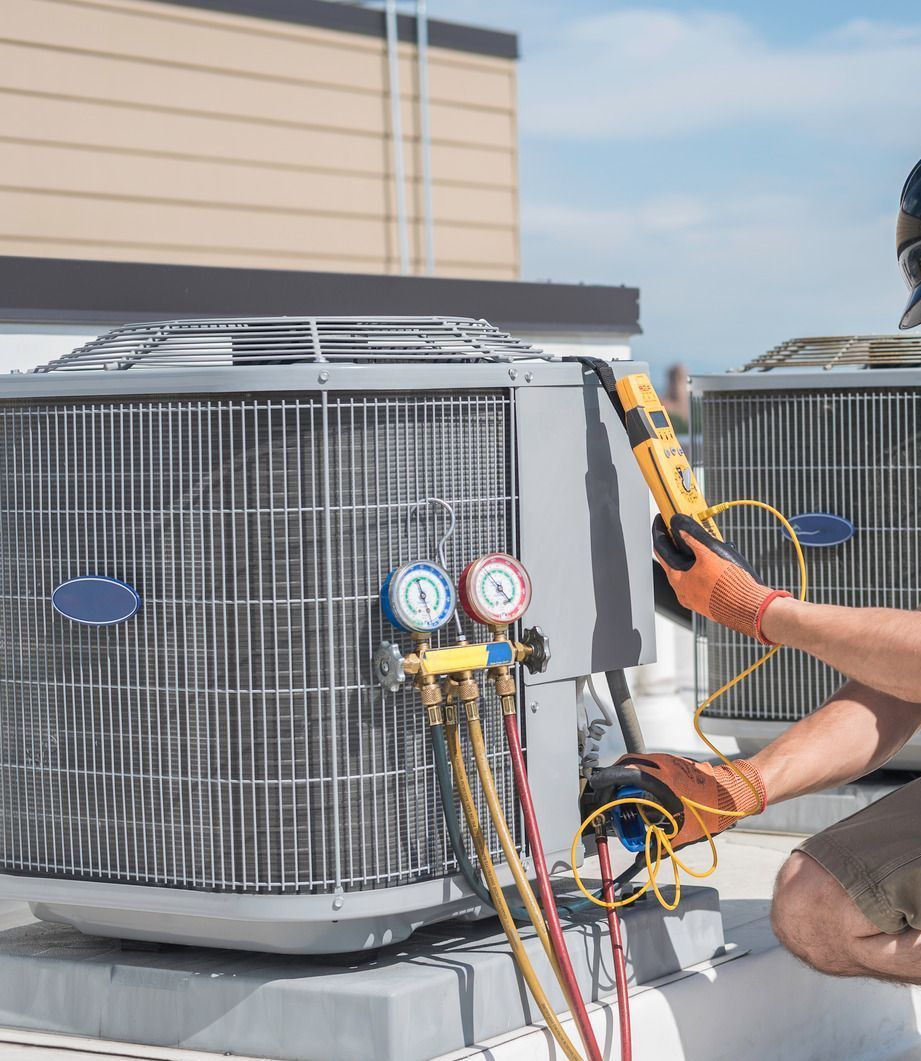
Refrigerant should not disappear during normal AC operation. If the charge is low, a leak is usually responsible. The system then struggles to absorb and transfer heat, causing longer runtimes and weak cooling. Warm air, ice on refrigerant lines, and rising energy bills can indicate the problem. Professional leak detection and repair are necessary.
Leaky Attic Ductwork
Attic ductwork in Central Texas faces extreme summer temperatures, making leaks especially costly. Loose connections, disconnected joints, and damaged flex ducts can allow conditioned air to escape before reaching living spaces. They can also pull hot attic air into the system. The result is longer runtimes, uneven cooling, and wasted energy, even when equipment works properly.
A Thermostat Reading the Wrong Temperature
A thermostat in direct sunlight, near a supply vent, above an appliance, or improperly wired may read the wrong temperature. If it senses excessive heat, the AC keeps running unnecessarily. Check that the thermostat is set to Cool with the fan on Auto. If runtime remains excessive, its location or accuracy may need professional attention.
WARNING: A system that runs continuously, freezes over, or trips its breaker while you are troubleshooting should be shut off rather than forced through the problem. Running a low-refrigerant or airflow-starved compressor for hours on end accelerates wear on the compressor itself, and a damaged compressor turns a moderate repair into a full system replacement. If any of those signs show up, cut power at the thermostat or breaker and get a technician out before running it again.
When the System Itself Was Never the Right Fit
Sometimes every component is working exactly as designed, and the problem is that the equipment does not match the house it is cooling.
An Undersized System
If the unit was sized for a smaller home, an older layout, or a house without the additions and upgrades it has now, it may simply lack the capacity to keep up regardless of how long it runs. A correctly sized system is based on a room-by-room load calculation, not a guess based on square footage, and a system installed without that calculation can run around the clock every summer and never quite close the gap.
An Aging Compressor
Compressors lose a measurable amount of efficiency as they age, especially after a decade or more of long Texas summers. A unit that comfortably held its setting five years ago can gradually fall behind as the compressor wears, even with clean coils and a fresh filter, because it simply cannot move as much heat per cycle as it once could.
A House That Has Changed
Added square footage, a converted garage, new windows without matching efficiency, or attic insulation that has settled and thinned over the years all raise the cooling load on a system that was sized for how the house used to be. The equipment has not necessarily failed; the job it is being asked to do has grown.
What to Check, in Order, Before Calling for Repair
Work through these in sequence and you will usually land on the cause, or at least narrow it down significantly before a technician ever arrives.
Filter First
Replace it if there is any doubt, since it is the fastest and cheapest check on the list.
Vents And Returns Second
Open everything and clear anything blocking a supply or return grille.
Outdoor Unit Third
Power off, inspect the coil for debris, and confirm two feet of clearance on every side.
Thermostat Fourth
Confirm the mode and fan setting, and note whether it sits somewhere that could throw off its reading.
Watch The Trend
If those checks do not change anything within a day, or if you see ice on the lines, hear the breaker trip, or notice warm air at the vents, that points toward refrigerant, ductwork, or equipment issues that need a professional diagnosis rather than more troubleshooting.
Getting the Runtime Back Under Control
A system that runs nonstop and never reaches the thermostat setting is not something to live with through an entire Central Texas summer, and it is rarely a mystery once someone works through it methodically. Most of the time the answer is airflow, a dirty coil, a leak, or a duct problem hiding somewhere it is easy to overlook, and each of those has a clear fix once it is identified. Track what you find, note when the runtime started changing, and use that information whether you solve it yourself or hand it to a technician.
Frequently Asked Questions
Is it normal for my AC to run for hours without shutting off?
Long AC runtimes are normal during the hottest Central Texas afternoons. However, continuous operation for days without reaching the thermostat setting usually indicates an underlying cooling or equipment problem.
Could a dirty filter really keep my house from cooling down?
Yes. A clogged filter restricts airflow, reduces cooling efficiency, increases energy use, and can make your AC run longer without reaching the temperature set on your thermostat.
Does low refrigerant always mean there is a leak?
Usually, yes. Refrigerant does not normally get consumed during operation. If levels are low, a leak is typically responsible and should be located and repaired.
Can leaky ductwork really waste that much cooled air?
Yes. Leaky attic ductwork can allow significant amounts of conditioned air to escape before reaching rooms, making your AC run longer while leaving parts of your home uncomfortable.
Why would my thermostat's location affect how long the AC runs?
A thermostat near sunlight, appliances, or supply vents may read an inaccurate temperature. That can make your system run longer because it incorrectly believes the home remains warmer.
How do I know if my AC system is just too small for my house?
If your AC runs constantly despite proper airflow and clean components, it may be undersized. A professional load calculation can determine whether its capacity matches your home's cooling needs.
Reading the Runtime Before It Becomes a Breakdown
When an AC runs continuously without reaching the thermostat setting, the runtime itself is useful information. It often points to restricted airflow, heat transfer problems, refrigerant loss, duct leakage, or equipment that can no longer keep pace with the home. Addressing the warning signs early can improve comfort, reduce unnecessary strain, and help prevent a relatively manageable issue from becoming a much larger repair during the hottest part of summer.
For homeowners, getting the cause identified matters because Central Texas heat can expose even small weaknesses in an aging or overworked system. Irish Air
has 13
years of experience serving Temple, TX, and the surrounding area, helping homeowners understand whether their AC needs a simple correction,
targeted repair, or a closer look at the system's overall performance. A properly diagnosed problem is much easier to solve than a system left running without answers.