Water Stains on the Ceiling Under the Attic Air Handler? The Clogged Drain Line
Quick Answer: A water stain on the ceiling below an attic air handler most often means the condensate drain line is clogged and the water your coil removes from the air has nowhere to go. It backs up into the drain pan, spills over, and soaks the insulation and drywall below. Turn the AC off at the thermostat, and at the breaker if water is still dripping. Then check the pan and the drain outlet. A stain that grows only while the system runs, with a pan full of water, is a strong sign of a clogged line. Clearing the line, drying the area, and finding out why it clogged are all part of fixing it for good.
You walk into the hallway and notice it right away. A tan or brown ring has appeared on the ceiling, maybe the size of a dinner plate, maybe bigger. The paint looks a little puffy at the edge. You touch it and the drywall feels cool and slightly soft. The air handler is in the attic directly above that spot, and it has been running all week because it has been over 100 degrees outside.
Your mind goes straight to the roof, and that is a fair first guess. But when the stain sits under an attic air handler and shows up during a long run of cooling, the roof is usually innocent. The more likely culprit is the humble plastic pipe that carries condensation away from the unit. When that pipe clogs, the water has to go somewhere, and it picks the ceiling.
This is a very common service call in Central Texas, and the good news is that the cause is easy to understand. Here is what is happening above your head, how to tell a drain problem from other leaks, and what to do in the first hour.
Where All That Water Comes From
Your air conditioner does two jobs. It cools the air, and it pulls moisture out of it. The cold evaporator coil inside the air handler works a lot like a glass of iced tea on a patio. Warm, humid air moves across it, and water condenses on the surface and drips down.
On a humid Texas day, that adds up to several gallons of water over a full day of run time. All of it lands in a drain pan under the coil, then flows out through a condensate drain line, usually a white or gray PVC pipe about three quarters of an inch wide. Gravity does the work. The line runs downhill to a spot outside the house, to a drain, or into a pump.
An attic makes this system more fragile than most people realize. The air handler sits above your finished ceiling, so any water that escapes goes straight down into insulation and drywall. Attic temperatures in the summer are often far past 120 degrees, which speeds up the growth of whatever lives inside that warm, wet pipe. And the line itself is long, with bends and a trap, so there are plenty of places for a clog to settle.
How a Drain Line Clogs
Condensate looks like clean water, but it picks up a surprising amount along the way. Dust that slips past the filter, bits of insulation, and tiny organic particles ride the water into the pan and down the line. Warm, damp, dark plastic is an ideal home for algae and bacteria, which form a slimy film on the inside of the pipe. Over a season, that film traps debris and thickens into a gelatinous plug.
Algae And Slime Buildup
This is the most common cause. The line narrows gradually, so the system drains more slowly each week until one afternoon it cannot keep up.
Dust And Debris From A Poor Filter Fit
A filter that does not seal at the edges lets dust skip the filter and coat the coil. That dust washes down the drain and settles in low spots in the line.
Insects And Dirt At The Outlet
The outdoor end of the line is open to the world. Wasps, ants, and spiders like the opening, and a clump of dirt or mulch can cover it after a heavy rain or a landscaping visit.
A Sagging Or Kinked Line
Attic lines are supported by straps and sometimes rest against framing or ductwork. If a section sags, water pools in the low spot and sludge collects there.
A Coil That Iced Up And Then Melted
If the coil froze because of restricted airflow or low refrigerant, the ice thaws all at once when the system cycles off. That sudden flood of water can exceed what a partly clogged line can carry.
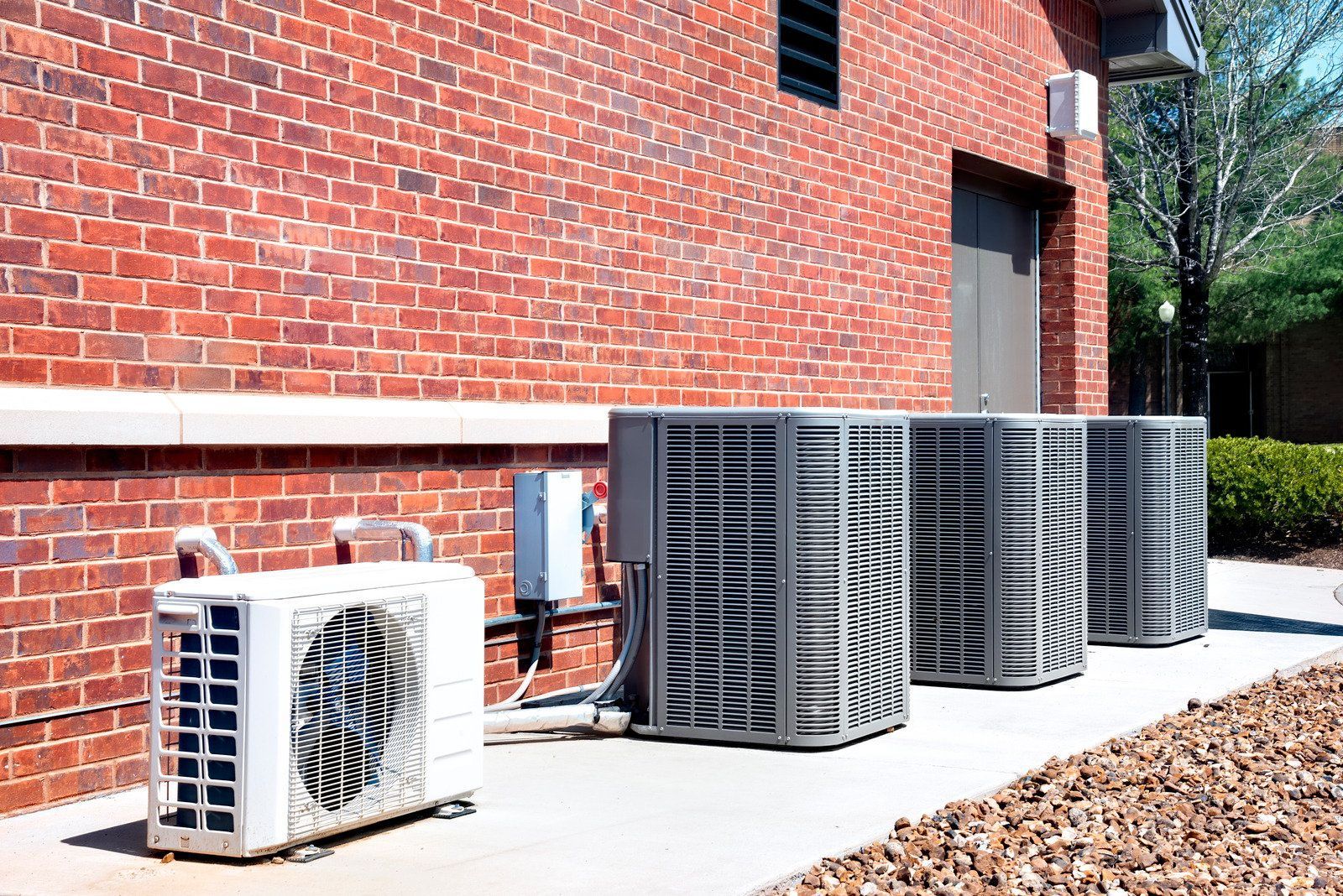
TIP: Before you head into the attic, step outside and look at where the condensate line ends. It is usually a short pipe near the outdoor unit or along an exterior wall. If you see water dripping from it while the AC runs, the line is moving water. A dry outlet on a hot, humid day, while the ceiling stain is growing, is a strong clue that the line is blocked somewhere upstream.
Is It the Drain Line or Something Else?
A ceiling stain is a symptom, and several things can cause one. Matching the pattern to the cause saves you from chasing the wrong problem.
The Stain Grows Only While The AC Runs
That points to condensate. The roof does not care whether your system is running, but the drain pan does. If the stain darkens or spreads during the afternoon and stops growing at night or when the system is off, suspect the drain.
The Stain Appears After A Rainstorm And The AC Was Off
That points to the roof, a vent flashing, or a plumbing vent boot. A stain that shows up with no cooling at all is not from the air handler.
The Stain Looks Like A Ring With A Damp, Cool Center
Condensate stains often look tan or brown with a defined edge, and the drywall feels cold because the water came from a chilled coil.
There Is Moisture Along A Duct And Not Directly Under The Air Handler
Ducts that are poorly insulated or leaking can sweat in a hot attic, because cold air inside meets very warm, humid air outside the duct. Dripping sweat usually appears along the length of a duct run and not in one concentrated spot.
Water Appears Around A Supply Vent
Water coming from a register can mean the pan overflowed into the ductwork, or that a duct is sweating heavily. Either way, turn the system off.
The Pan Is Full Of Water When You Look
This is the clearest sign of a clogged line. In a healthy system, the pan holds only a thin film during a cooling cycle. A pan with standing water means the water cannot leave.
What to Do in the First Hour
Speed matters here. Wet insulation and drywall can grow mold within a couple of days, and each minute the system runs adds more water. Work through these steps in order.
Turn The System Off
Set the thermostat to Off and, if water is actively dripping, switch off the breaker for the air handler as well. Running the AC with a clogged line only makes the leak worse.
Protect The Space Below
Place a bucket under any drip and move furniture or electronics away. If the ceiling is bulging with trapped water, poke a small hole at the lowest point of the bulge so it drains into a bucket instead of letting the whole section give way. Wear eye protection and expect it to come down fast.
Check The Float Switch
Many attic installations have a small float switch in the pan or on the drain line. When water rises, the switch shuts the system down to prevent an overflow. If your thermostat went blank or the system quit, a tripped switch may be why. Do not bypass it. A switch that keeps tripping is doing its job.
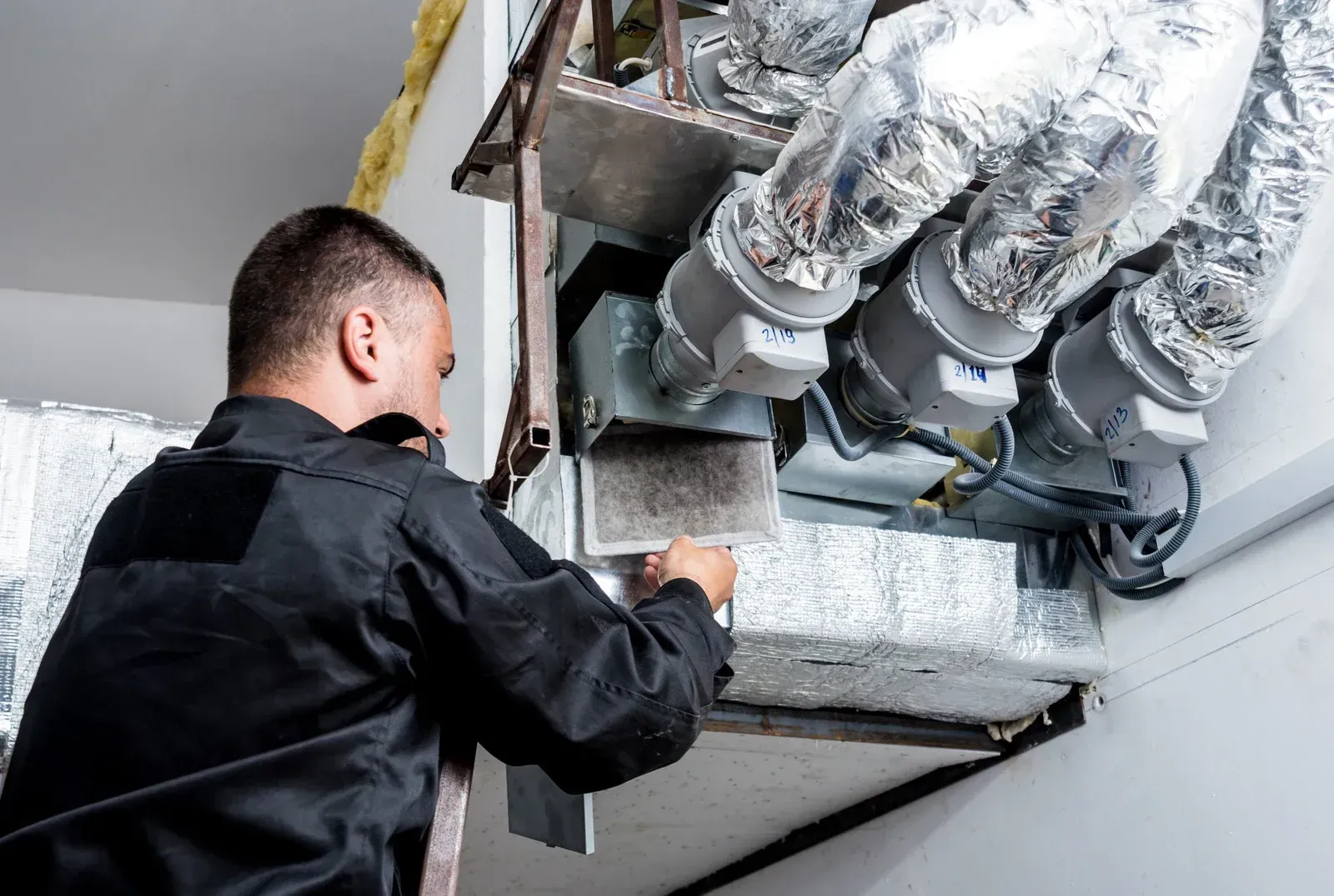
Look At The Pan If You Can Reach It Safely
Attics are hot, cramped, and hard on balance. Watch for exposed nails, loose insulation, and framing, and only walk on joists. If the pan has standing water, you have found the likely cause. If you cannot reach it safely, stop and call a technician.
Clear The Outlet
At the outdoor end of the line, a wet/dry vacuum with a tight seal can pull a minor clog out. Run it for a minute or two. If water and slime come out, that is a good sign. Pouring a cup or so of white vinegar into the access port at the air handler afterward can slow new growth.
WARNING: Do not pour bleach or harsh chemical drain cleaners into a condensate line. They can damage PVC joints, corrode metal parts in the pan or float switch, and release fumes into your attic and your home. White vinegar is gentler, and a technician can use proper tools and treatments that clear the line without harming the system.
Why Vacuuming Alone Often Is Not Enough
Pulling a plug out of the outlet can bring the system back to life, and sometimes that is all it takes. But a drain that clogs once is likely to clog again unless the cause is addressed. A few things keep the problem coming back.
The Clog Is Deeper Than The Outlet
Slime and debris can sit at the trap or at a low point in the attic. A vacuum at the outside end may pull a little, but it will not clear a plug twenty feet away around three elbows.
The Pan Is Dirty
Sludge sits in the bottom of the pan and washes into the line again the next time water flows. A pan that is rusted, cracked, or warped can also leak around the edges even when the line is clear.
The Coil Is Dirty
A coil caked with dust sheds more debris into the water, and it can also freeze, which sends a surge of water down the line.
The Line Is Not Pitched Correctly
If the line does not slope consistently downhill, water sits in it. Standing water becomes a breeding ground, and eventually a blockage.
The Trap Or Vent Is Missing Or Built Wrong
Some systems need a trap to work properly, and a poorly built one can hold water or cause drainage to stall.
This is why a technician looks at the entire path of the water, from the coil to the pan to the line to the outlet, and not just the one spot where the leak showed up. Fixing only the last visible step often means a second stain a few months later.
Dealing With the Damage Overhead
Once the water is under control, the stain itself needs attention. A brown ring is not just a cosmetic problem. Wet drywall and insulation hold moisture, and trapped moisture means mold and sagging.
Let the area dry fully, with a fan and a dehumidifier if you have one. Wet attic insulation that has been soaked will not recover its insulating value and often needs to be replaced. Drywall that is soft, crumbly, or stained through usually has to be cut out and patched, because primer alone will not stop a stain from bleeding back through paint. If the stain returns after painting, the water source has not been fixed or the material underneath is still damp.
If you smell something musty from the vents or the ceiling, mention it to the technician. Moisture in the attic can affect insulation, framing, and the inside of the air handler cabinet.
How to Keep the Line Clear All Summer
You cannot see the inside of a pipe in an attic, but you can build habits that make a clog far less likely.
Change The Filter On Schedule
A clean, properly fitted filter keeps dust out of the coil and the pan. In Central Texas, where the system may run for months with little rest, check it monthly during the heat.
Flush The Line A Few Times A Year
Pouring white vinegar into the drain access port every few months helps keep algae from taking hold. Ask your technician to show you where the port is.
Keep The Outlet Clear
Trim back plants and mulch from the end of the line, and look at it whenever you mow or do yard work.
Ask About A Float Switch
If your attic air handler does not have a safety switch on the pan or drain line, it is worth adding one. It is a small part that can save a ceiling.
Schedule A Spring Tune Up
A technician can clean the pan, check the pitch of the line, flush the drain, and inspect the coil and the switch before the first long run of triple digit days. That visit is far easier on your schedule than dealing with a wet ceiling in July.
Pay Attention To Early Warnings
A musty smell near the air handler closet, a system that shuts off on its own, a damp patch on the insulation, or a faint discoloration on the ceiling are all signs that the line is struggling. Early warnings are easy to fix. A stain that has already spread is much harder.
Frequently Asked Questions
Why is there a water stain on my ceiling below the attic air handler?
A clogged condensate drain line is the most common reason. Water from the coil backs up, overflows the pan, and soaks the insulation and drywall below. A stain that grows during cooling points to the drain.
Can a clogged drain line cause the AC to stop working?
Yes. Many systems use a float switch that shuts the AC off when water rises in the pan or line. A blank thermostat may mean it tripped. Never bypass it, since it protects your ceiling.
How do I know it is the drain line and not the roof?
Watch the timing. A drain related stain grows while the AC runs, whereas a roof leak appears after rain even with the AC off. Standing water in the pan also points to the drain.
Is it safe to use bleach in the drain line?
It is best avoided. Bleach and harsh chemical cleaners can damage PVC joints and metal parts while releasing fumes into the attic. White vinegar works well for routine flushing, and technicians handle stubborn blockages.
Can I keep running my AC with a stain on the ceiling?
You should not. If the line is still clogged, every hour of cooling sends more water to the same spot. Turn the system off, protect the area, and have the drain cleared first.
How often should an attic condensate line be cleaned?
Have it checked and flushed at least once a year during a tune up, plus a vinegar flush every few months in cooling season. Dusty homes, pets, or older systems may need more.
Keeping Attic Condensate Out of Your Ceiling
A stain spreading beneath an attic air handler during cooling season is usually less mysterious than it looks. Most of the time, the condensate line has narrowed with algae, slime, or debris until the water has nowhere left to go but down. Turning the system off, protecting the room below, and checking the pan and outlet in the first hour keep a small drainage problem from turning into soaked insulation, sagging drywall, and lingering musty odors around the house.
Lasting relief comes from looking at the whole path the water travels, from the coil and pan to the line, trap, and outlet. Irish Air
has spent 13
years helping homeowners across Temple, TX trace these attic leaks back to their true source instead of patching symptoms. With regular filter changes, occasional vinegar flushes, and a working float switch in place, that small pipe can quietly do its job and keep the ceiling dry through every long, hot summer season.