Outdoor AC Unit Humming but the Fan Won't Spin? What That Means
Quick Answer: An outdoor AC unit that hums while the fan stays still is usually telling you the fan motor is getting power but cannot start turning. The most common cause is a weak or failed run capacitor, followed by a worn fan motor, a failing contactor, or something physically blocking the blades. Turn the system off at the thermostat and the breaker right away. A humming motor that cannot spin draws heat and strain, and the condenser fan is what carries heat away from the compressor, so running it that way risks a much bigger failure. Checking for debris and a tripped breaker is safe for you to do. Anything involving the capacitor, wiring, or motor belongs to a technician.
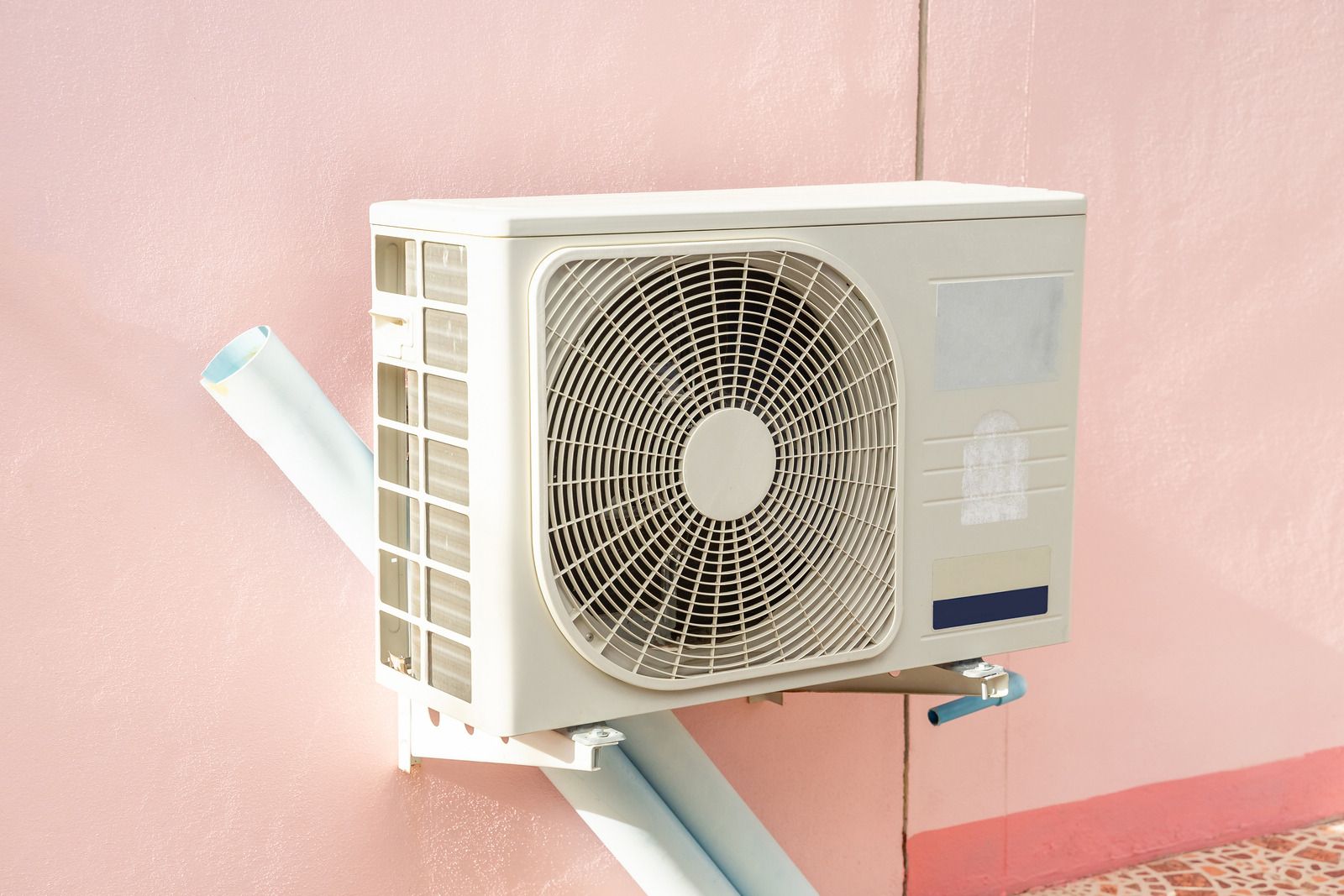
You are standing in the kitchen at four in the afternoon, the house is warming up, and the thermostat swears the AC is on. The vents are blowing, but the air is lukewarm and getting worse. So you walk outside to look at the condenser. There is a low, steady hum coming from the unit, maybe a faint buzz, and the big fan on top is just sitting there. Not turning. Not even trying.
That sound is worth taking seriously. It means electricity is reaching the outdoor unit and something inside is working hard without getting anywhere. The good news is that this symptom has a short list of likely causes, and each one leaves its own clues. Knowing what you are looking at helps you protect the more expensive parts of the system while you wait for help.
What the Outdoor Fan Actually Does
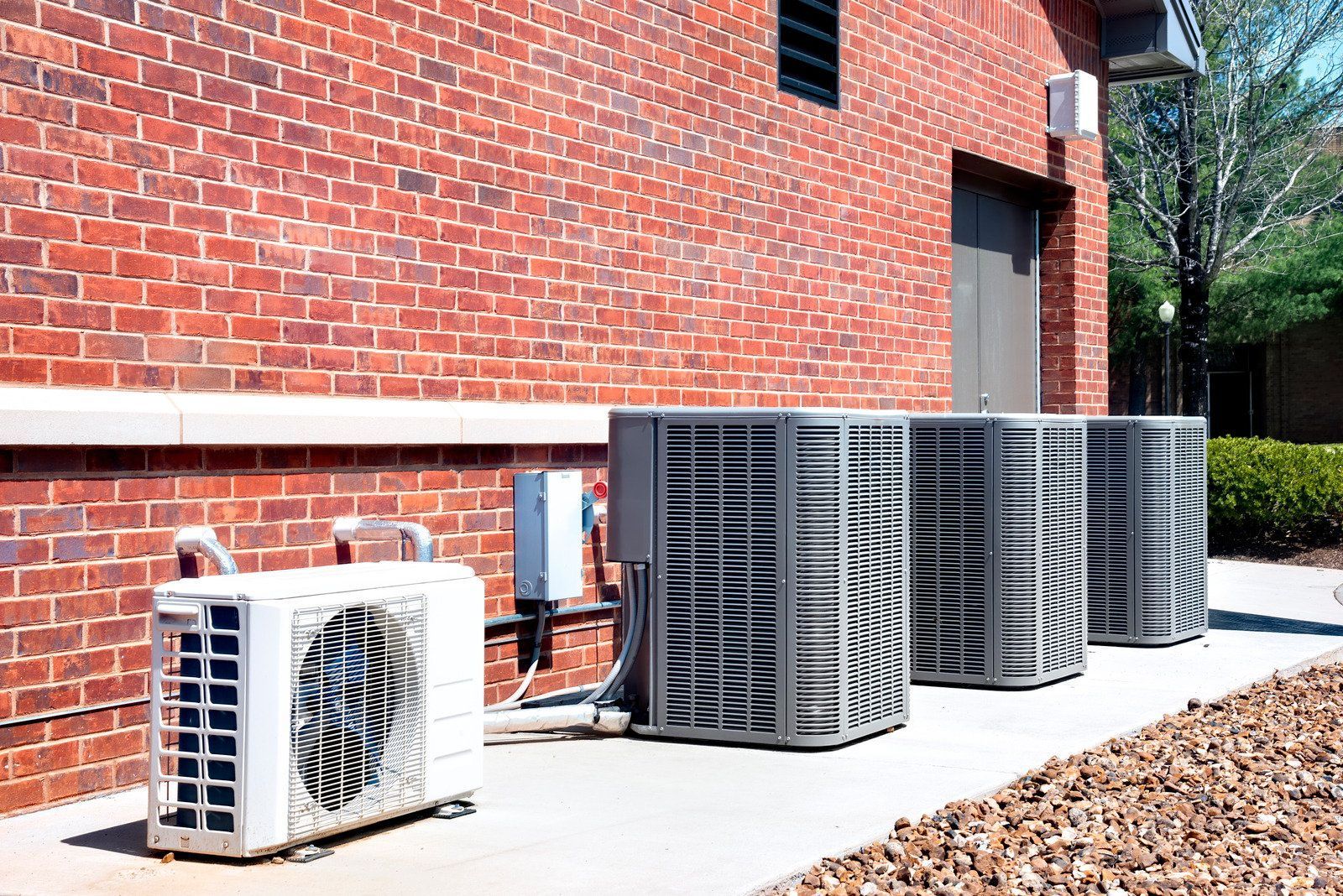
The outdoor unit is where your home dumps the heat it pulled out of the indoor air. Refrigerant carries that heat to the condenser coil, and the fan on top pulls outside air across the coil so the heat can leave. Without that airflow, the refrigerant cannot shed heat, pressure climbs, and the compressor starts to overheat.
That is why a stalled fan is more than a comfort problem. The compressor is the heart of the system, and it relies on the fan to stay inside a safe temperature range. Most compressors have an internal overload that shuts them down when they get too hot, which is a good safety feature, but it is not a license to keep running a unit with a dead fan. Repeated overheating shortens compressor life, and a compressor that has been cooked is a very different repair than a capacitor swap.
Why It Hums Instead of Spinning
A fan motor needs more than steady power to get going. It needs a burst of extra torque to overcome inertia, and in a residential condenser that burst comes from a run capacitor. Think of it as the push that gets a heavy flywheel moving. Once the blades are turning, the capacitor helps keep the motor running smoothly and efficiently.
When the capacitor weakens, the motor still receives voltage. The windings energize, which produces that hum, but there is not enough of a kick to start rotation. The motor sits there humming, warming up, and going nowhere.
The Most Common Causes
A Weak or Failed Run Capacitor
A failing capacitor often causes humming without rotation. Heat and electrical stress degrade it over time, and testing requires proper equipment because capacitors retain dangerous electrical charges.
A Worn or Burned Out Fan Motor
Worn bearings, damaged windings, or overheating can prevent rotation. Grinding noises, slow movement, or burnt smells suggest motor trouble requiring professional diagnosis and replacement.
A Failing Contactor
A damaged contactor may prevent proper startup, cause repeated clicking, or leave equipment running unexpectedly. Worn electrical contacts often develop after thousands of operating cycles.
Debris or a Mechanical Obstruction
Sticks, loose guards, bent blades, or damaged hubs can physically stop rotation. Visible obstructions are worth checking safely before assuming an electrical failure.
Wiring or Connection Trouble
Loose, corroded, or heat-damaged connections can restrict voltage reaching the motor. Outdoor exposure and accidental damage gradually weaken electrical connections and terminals.
TIP: Take a photo of the data label on your outdoor unit while you are out there, along with a short video of the sound and the stalled fan. A technician can use the model information and the video to arrive with the right parts on the first visit, which gets you back to a cool house sooner.
What to Do Right Now
The first move matters more than any repair. Shut the system off at the thermostat, then switch off the dedicated breaker or the disconnect box near the outdoor unit. That stops the motor from trying to start against a stall and takes pressure off the compressor.
After that, a few safe observations can help you and the technician.
Check the Thermostat and the Breaker
Set the thermostat to Cool and check the breaker. If it trips again after resetting once, stop and call a technician.
Look, but Do Not Touch
With power off, inspect through the grille for debris or blocked airflow. Never reach inside or remove the unit's top.
Do Not Spin the Blades to Get It Going
Pushing fan blades risks injury and masks capacitor failure. Leave troubleshooting and repairs to a qualified HVAC technician.
Give the Indoor Side a Break Too
If the outdoor unit fails, switch the thermostat to Fan or Off to prevent repeated cooling calls until repairs are completed.
Why Central Texas Summers Make This Failure Common
A condenser in Temple, Killeen, or Round Rock spends a long stretch of the year working in triple digit heat. Surface temperatures on the cabinet can climb well above the air temperature when the sun is hitting it all afternoon, and the capacitor and motor sit inside that hot environment. The system also runs for hours at a time, which means more starts, more heat cycles on the components, and less recovery time between them.
Cottonwood fluff, grass clippings, and dust packed against the coil make things worse. A dirty coil forces the motor and compressor to work harder, which speeds up wear on both. A capacitor that has been marginal since spring can finally give out on the first week of serious heat, which is why so many humming fan calls come in during a heat wave.
Hard water and humidity play smaller roles, but moisture that works into a motor housing or a wiring connection can still shorten component life in this climate. Keeping the area around the unit clear and the coil clean is one of the simplest ways to help every part in that cabinet last longer.
WARNING: Do not keep resetting the breaker or cycling the thermostat to see if the fan will catch. Each attempt forces a stalled motor to draw high current, and the heat it creates can burn the windings or push the compressor into repeated overload shutdowns. If the fan does not spin after the first try, leave the system off.
What a Technician Will Check
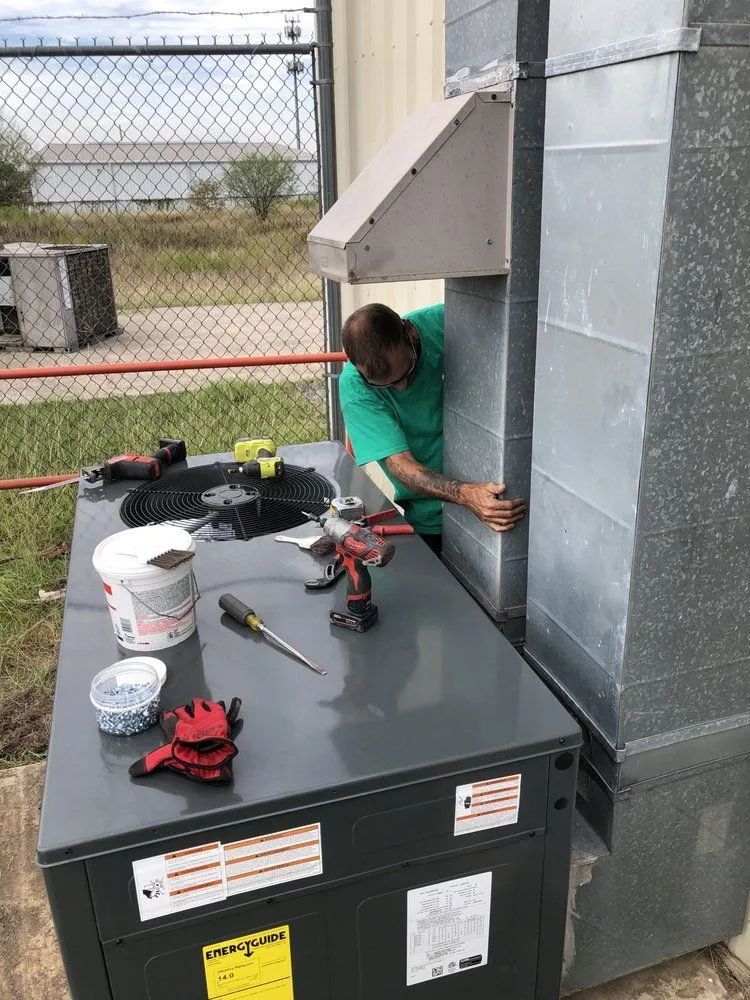
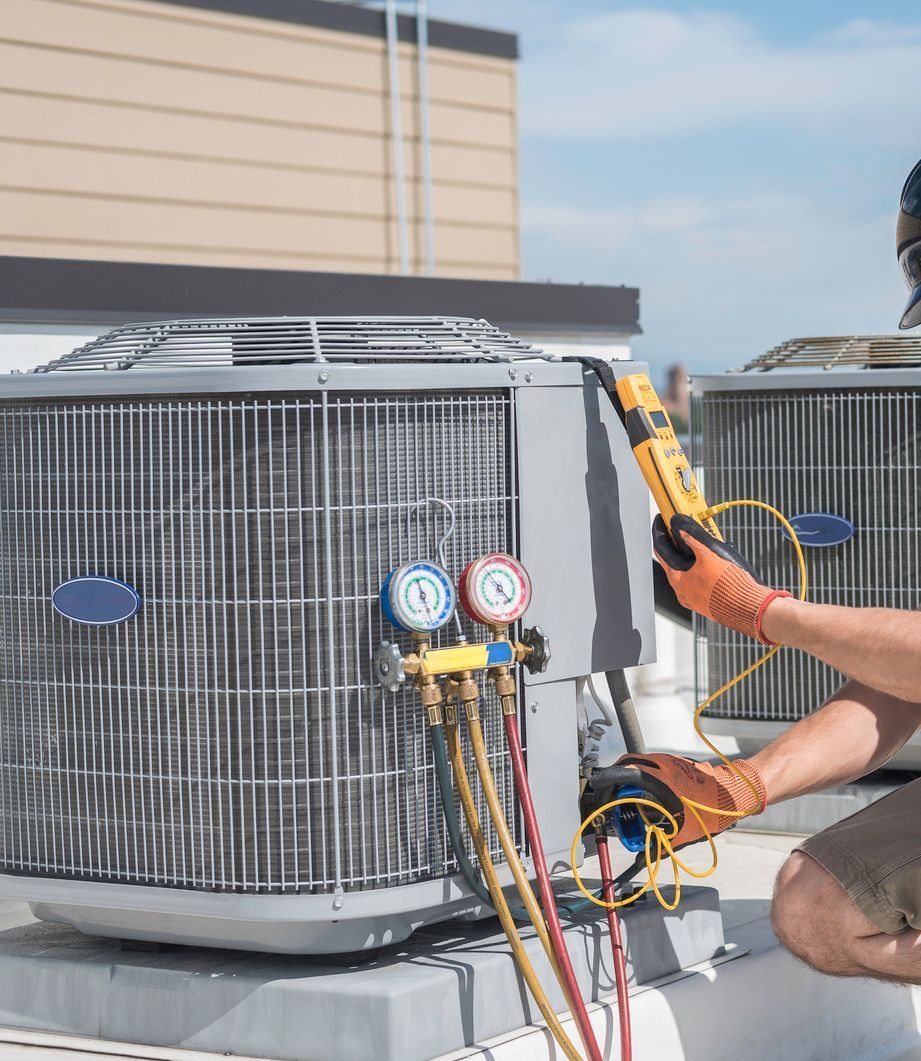
A proper diagnosis follows the electrical path in order, so nothing gets replaced on a guess. Expect a technician to confirm voltage at the disconnect and the contactor, test the contactor for pitted contacts, and measure the capacitor against its rated microfarads. The motor windings are checked for continuity and shorts to ground, the shaft is turned by hand with the power locked off to feel for bearing drag, and the amperage draw tells the story of whether the motor is struggling.
Just as important, the technician will look at why the part failed. A capacitor that failed from age is one thing. A capacitor that failed because the motor is drawing too much current, or because the coil is packed with debris, is a warning that replacing the capacitor alone will only buy you a short reprieve. The compressor is checked as well, since a unit that has been running with a stalled fan may have overheated it.
Keeping It From Happening Again
You cannot prevent every component failure, but you can stack the odds in your favor.
Keep a Two Foot Clear Zone Around the Unit
Trim shrubs, remove stored items, and clear debris to maintain unrestricted airflow around the unit.
Rinse the Coil Gently
With power off, gently spray coils using a garden hose. Avoid pressure washers that bend delicate fins.
Schedule Maintenance Before the Heat Arrives
Arrange spring maintenance to test electrical components, inspect contactors, and identify weak parts before peak summer demand.
Pay Attention to Early Signs
Slow starts, louder humming, frequent cycling, or reduced cooling may indicate components are beginning to fail.
Frequently Asked Questions
Why is my outdoor AC unit humming but the fan is not moving?
The motor is receiving power but cannot start turning. A weak run capacitor is the most common reason, though a worn fan motor, a bad contactor, or a blocked blade can cause the same sound. Shut the system off and have it checked.
Is it safe to run my AC if the outdoor fan is not spinning?
No. Without the fan, the condenser cannot release heat, and the compressor can overheat quickly. Running the system in that condition risks turning a modest repair into a much larger one.
Can I just push the fan blade to get it started?
You should not. It may start the motor for a while, but it masks the real problem, and the blades can restart suddenly and injure your hand. The capacitor or motor still needs to be tested and repaired.
How can I tell a capacitor problem from a motor problem?
Both can produce a hum and a stalled fan, which is why a meter is needed. A technician tests the capacitor first. If it reads weak, replacing it often restores normal operation. If the capacitor tests fine, the motor, the contactor, or the wiring is the next suspect.
Why does this seem to happen during heat waves?
Long run times in extreme heat stress every electrical part in the outdoor unit. A capacitor that was weak but still working in cooler weather can fail once the system is starting and running for hours every day.
Can a failed outdoor fan damage the rest of my AC?
Yes. Without airflow across the condenser coil, pressure and temperature rise inside the sealed system, which stresses the compressor. That is why shutting the system off quickly is the best thing you can do.
Acting Fast When the Outdoor Fan Stops Spinning
A humming outdoor unit with a motionless fan is your system asking for help. The sound is not a mystery, since it is a motor that cannot start, and the likely causes are well known. What matters is how you respond in the first few minutes. Turning the system off, checking the simple things you can see, and keeping your hands out of the cabinet protect the compressor, which is the costliest part of the system.
In a Central Texas summer, a small electrical part is a far better thing to replace than a compressor, and the difference usually comes down to how quickly the unit was shut down. Irish Air
has spent 13
years serving homeowners across Temple, TX, and that time has shown that testing the capacitor, contactor, and motor in order, then checking why the part failed, prevents repeat breakdowns. A condenser kept clear and tuned before the heat arrives rarely leaves anyone waiting in a warm house.